Stories
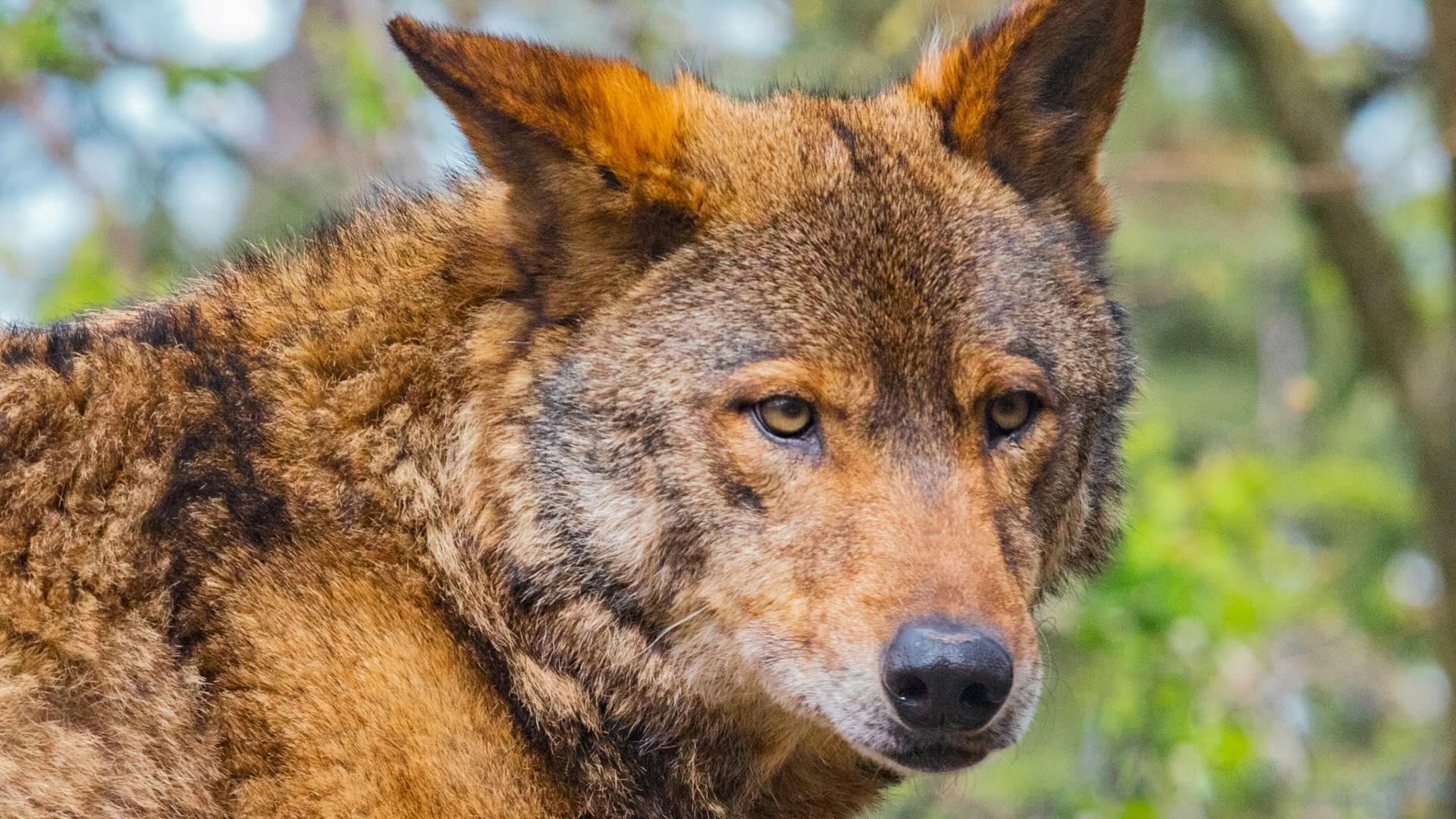
The critically endangered red wolf has made encouraging progress in its recovery efforts. Just six years ago only seven individuals remained in the wild in northeastern North Carolina. Today the population stands around twenty-eight with twenty-six GPS-collared. Recent successes include surviving pups from last year new litters successful cross-fostering and a litter on St. Vincent Island.
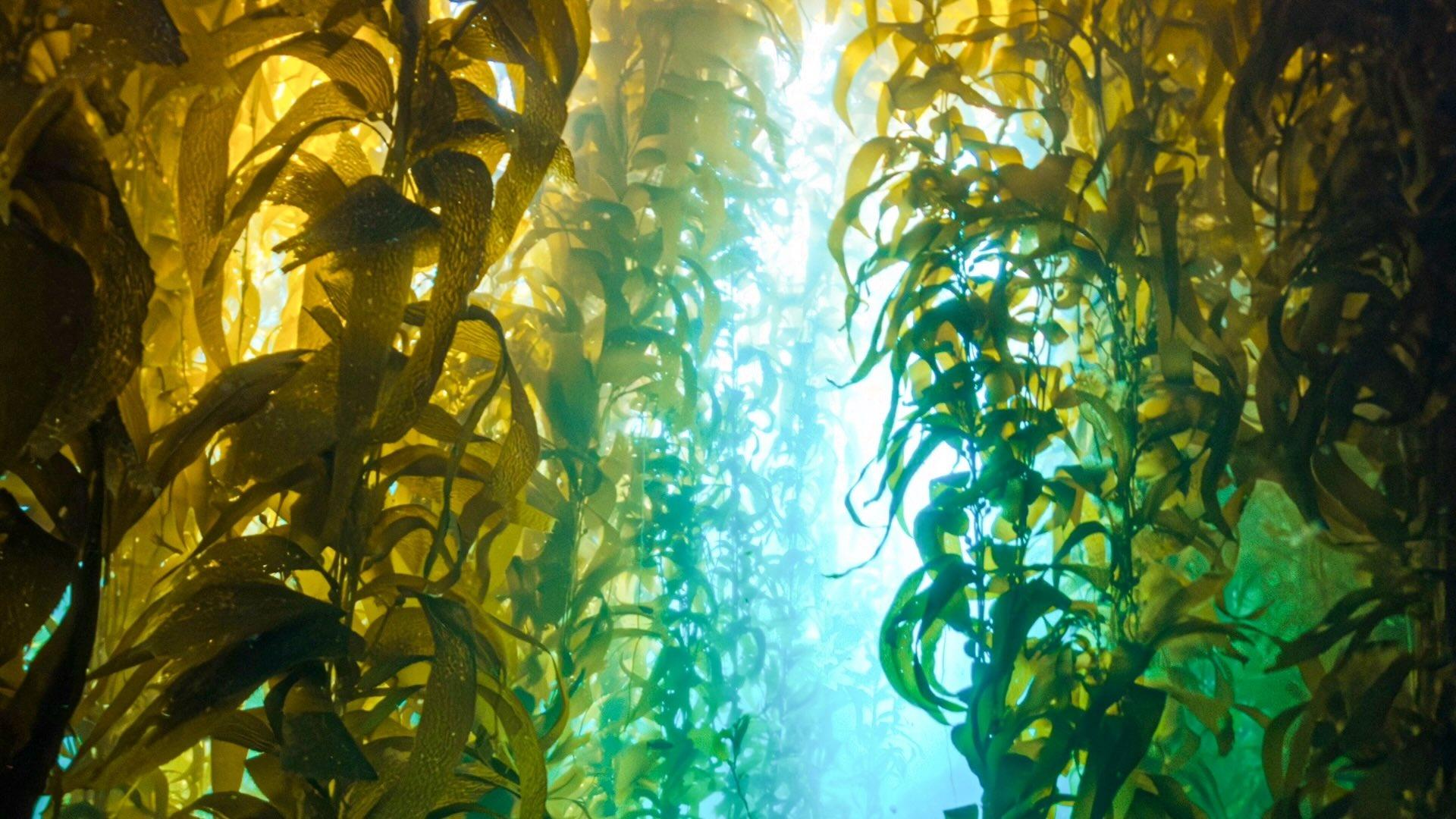
A lifelong ocean lover from landlocked roots finally finds belonging in the kelp forests of South Africa's False Bay. These enchanted underwater realms, swaying like mystical cathedrals, shelter pyjama sharks, colorful nudibranchs, octopuses, rays, and more in crystal-clear cold waters. Far from tropical chaos, they offer serene beauty, community connection, and profound restoration.

Across Europe, volunteer-led "Repair Cafes" are fixing everything from e-bikes to toys, with 1,800 emerging in Germany alone. Now, the EU's new Right to Repair Directive promises cheaper parts, longer warranties, and incentives, making repairs more accessible and competitive against buying new. This could save billions while reducing emissions and reshaping consumer habits for a greener future.
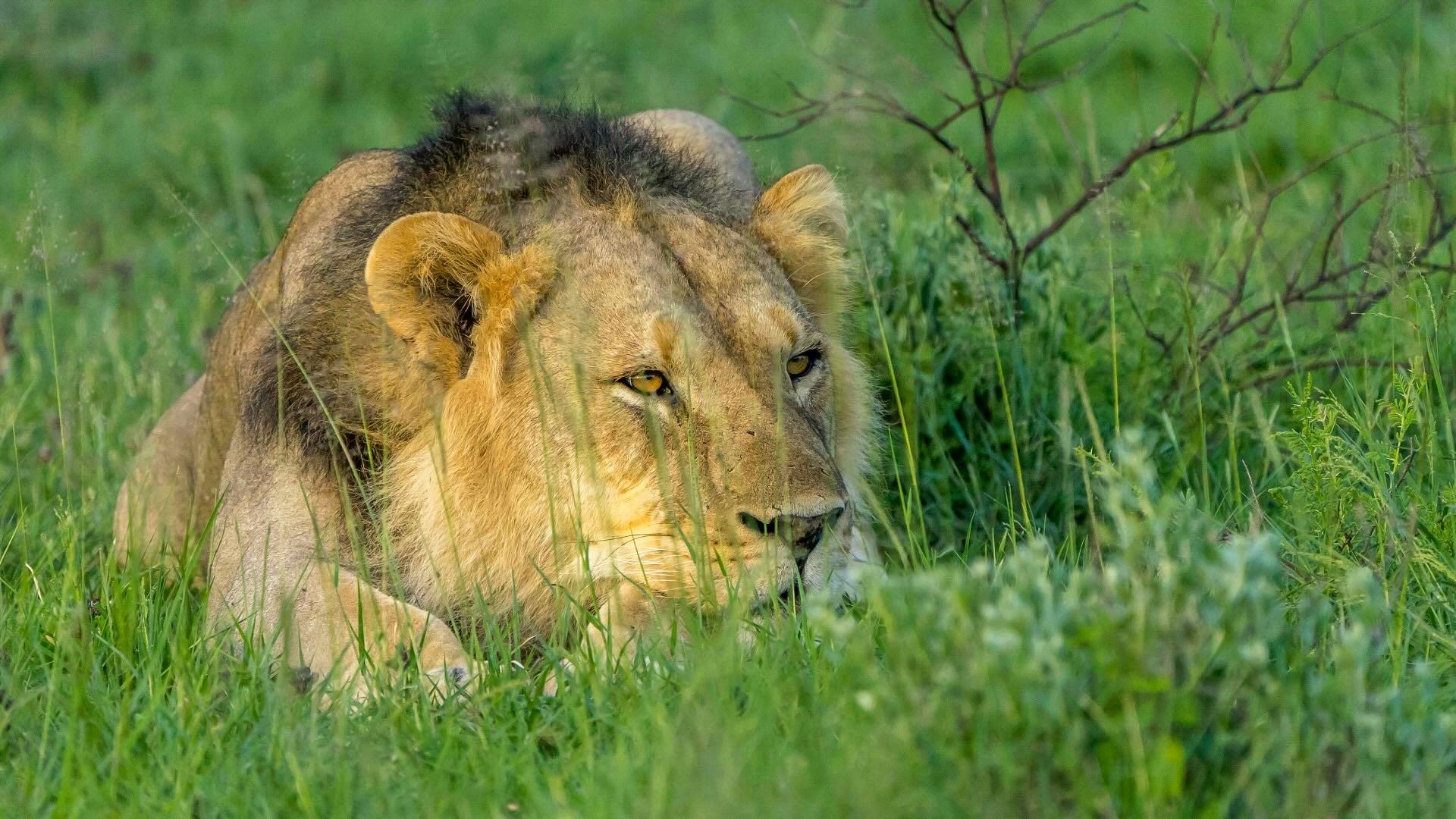
Communities around Botswana's Okavango Delta have combined age-old herding knowledge with new tools, including GPS collars on lions, strong portable night enclosures, and individual predator identification. These efforts have greatly reduced livestock losses and retaliatory poisoning of lions, boosting the local predator's population by over 50% in the past few years, and have set the stage for opening blocked wildlife corridors.
Getty Images for Unsplash+
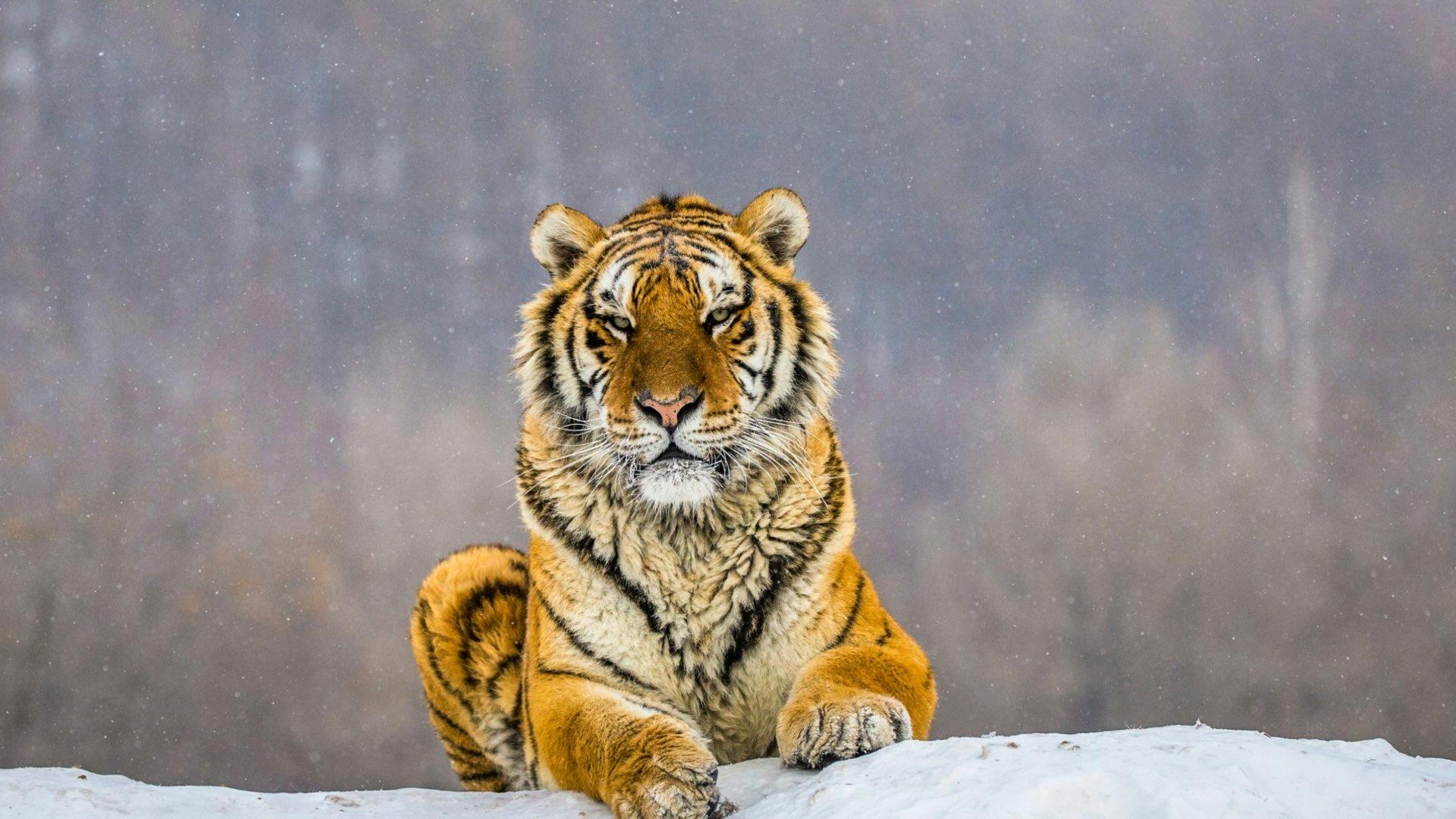
Kazakhstan is restoring vital tugai forests by planting 37000 seedlings last year in the South Balkhash region, building on earlier efforts to revive habitat lost when Caspian tigers vanished over 70 years ago. Using genetically similar Amur tigers, including a breeding pair already acclimating and more wild ones expected from Russia soon, the project aims to reintroduce these majestic predators while boosting biodiversity, prey populations, and community coexistence through WWF and UNDP support.
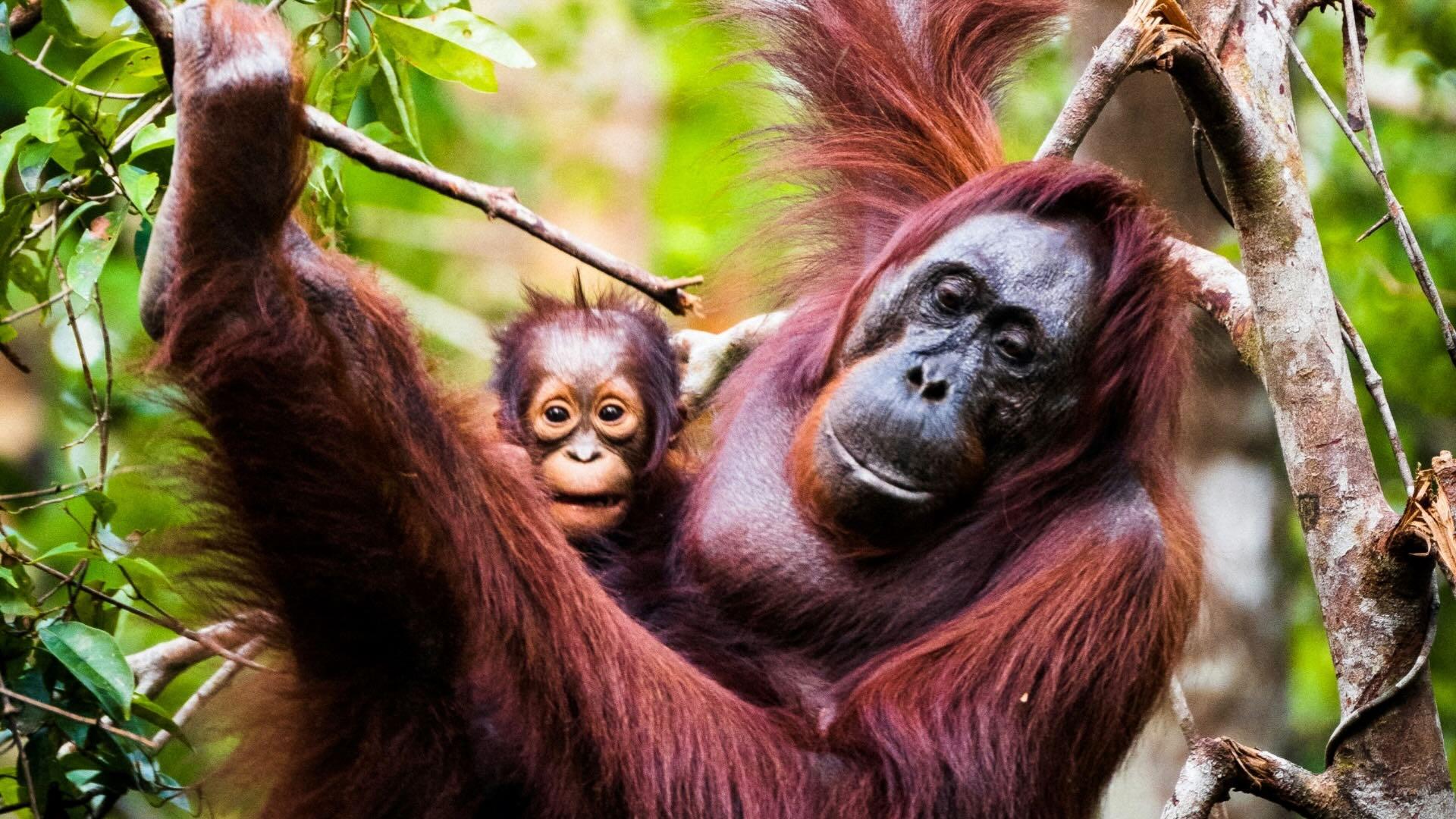
In West Kalimantan, Bornean orangutans, which are critically endangered due to habitat fragmentation, gain new hope through coffee agroforestry. By integrating coffee production with native trees, local farmers restore forest corridors, reconnect isolated populations, and expand suitable habitat.
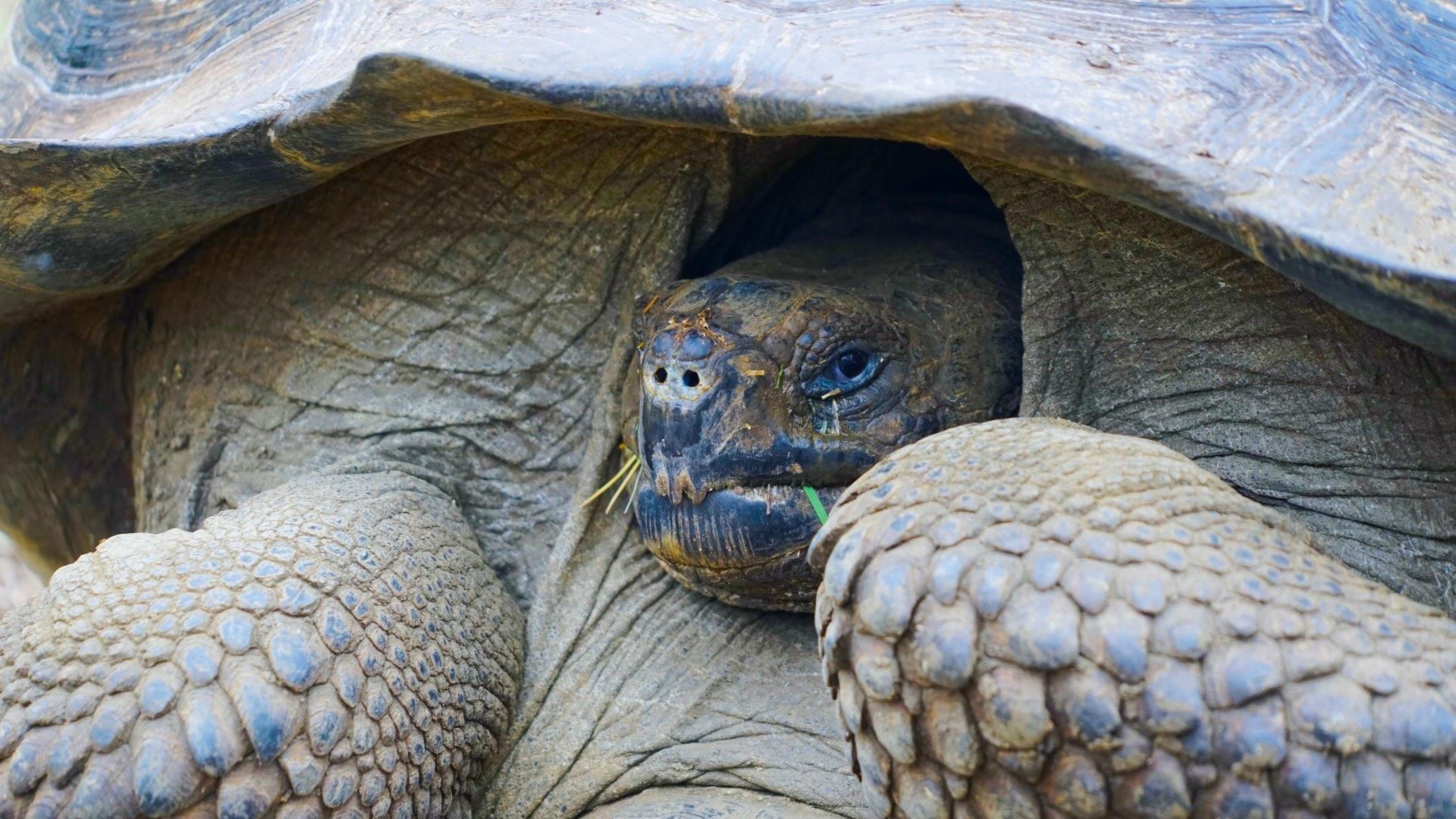
158 juvenile giant tortoises of the extinct Floreana lineage now roam their ancestral home on Floreana Island. This landmark release is part of the Galápagos' largest-ever ecological restoration project, and follows decades of genetic research and captive breeding. As keystone species, these tortoises will reshape habitats, boost biodiversity, and support community livelihoods.
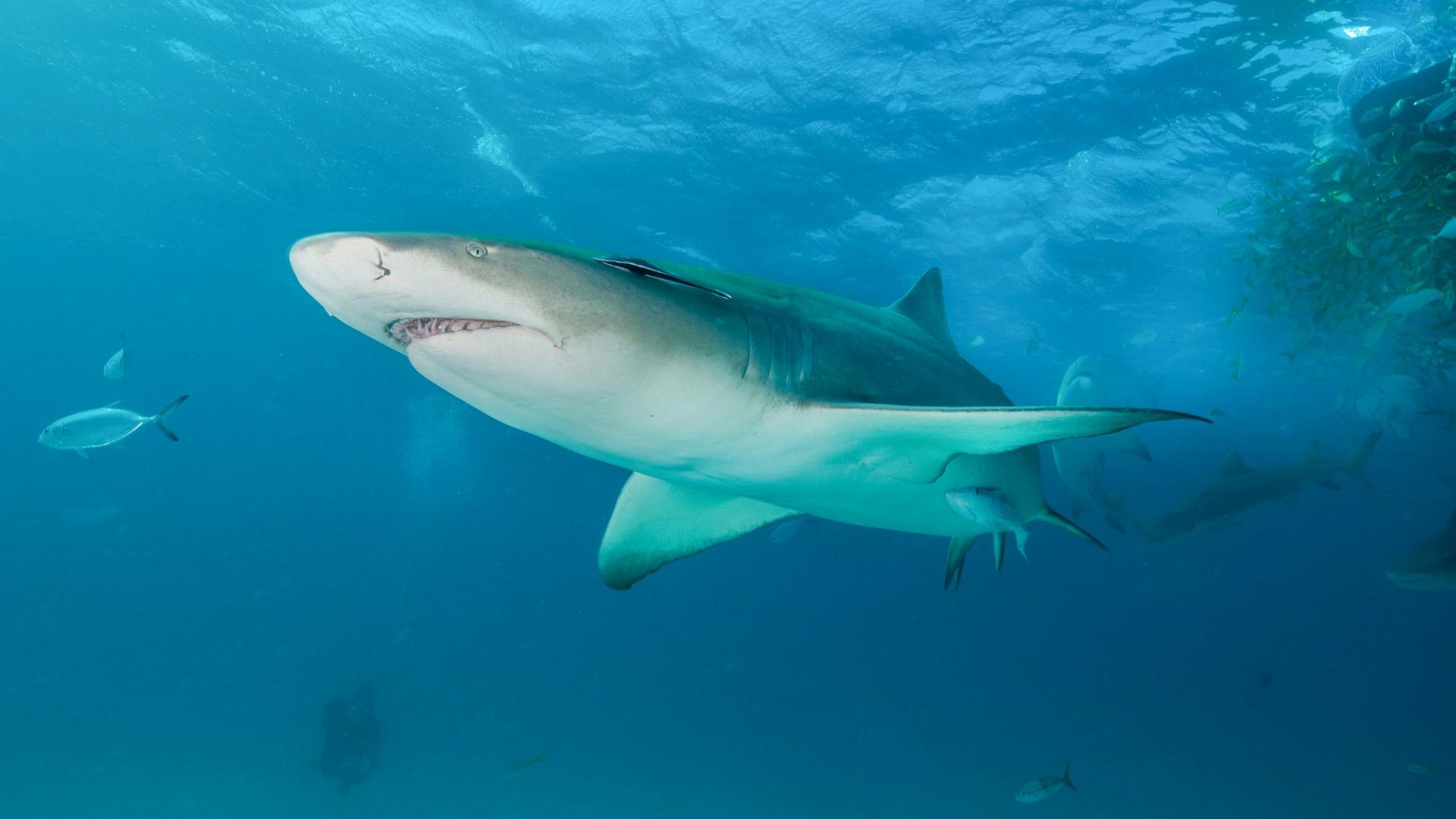
Unintentional shark bycatch threatens over 100 species with extinction in commercial fisheries. Researchers developed a simple, low-cost solution using zinc and graphite blocks attached near hooks, generating a small electric field that exploits sharks' electrosensory abilities. Field tests in Florida coastal waters reduced shark catches by around two-thirds while leaving target species like tuna unaffected. This practical, nonmagnetic approach could soon reach commercial use, benefiting conservation and fishermen alike.
Nature Picture Library / Alamy
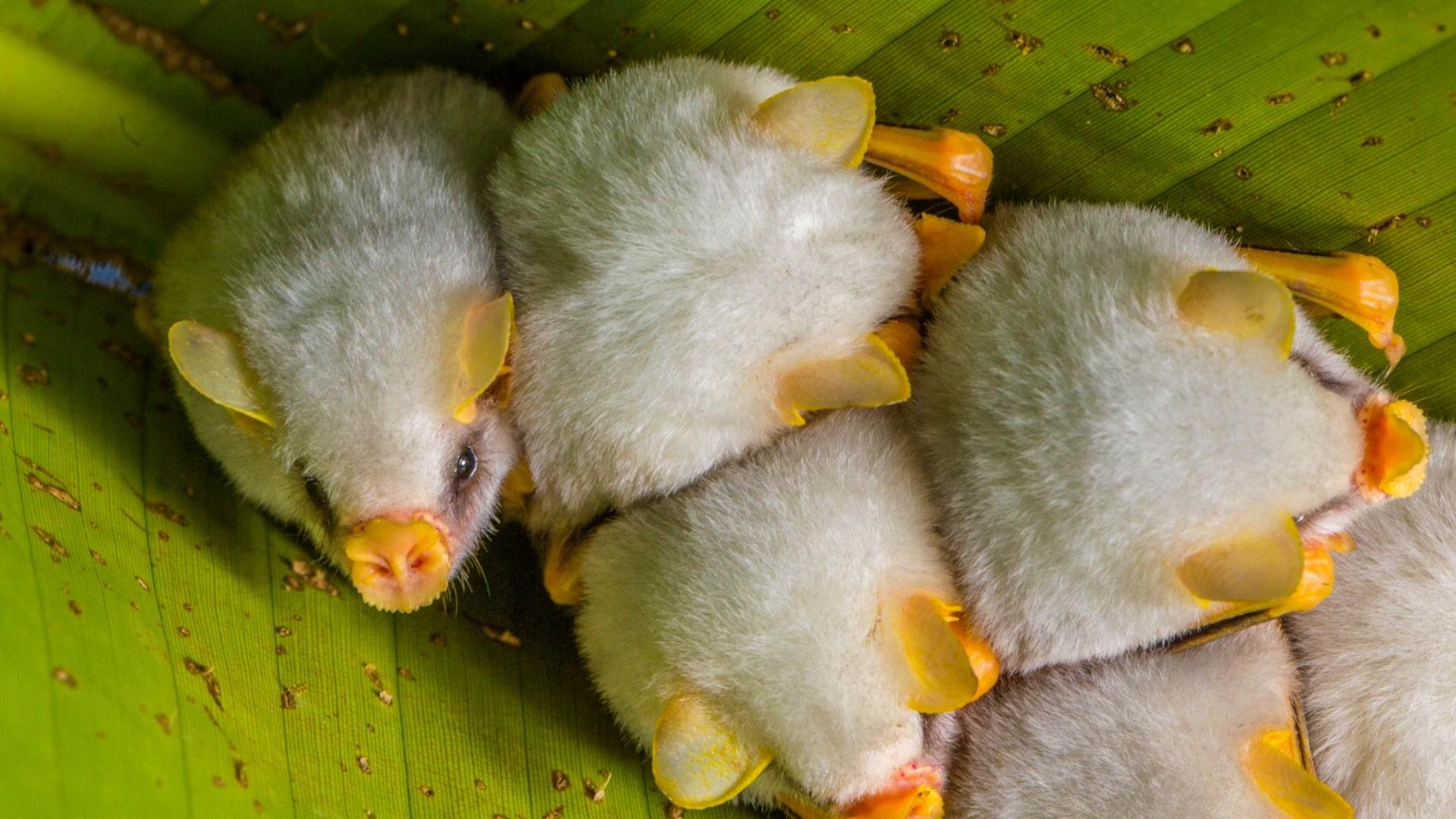
In tropical forests of Central and South America, ingenious tent-making bats craft precise shelters from heliconia and palm leaves, protecting colonies from rain and predators. These ecosystem engineers disperse seeds, pollinate crops, control pests, and accelerate forest regrowth. Yet deforestation, storms, and habitat loss are causing dramatic declines, leaving abandoned tents as silent warnings, but indigenous communities, ecotourism, and reforestation projects are bringing hope.
Russell Cooke / Alamy
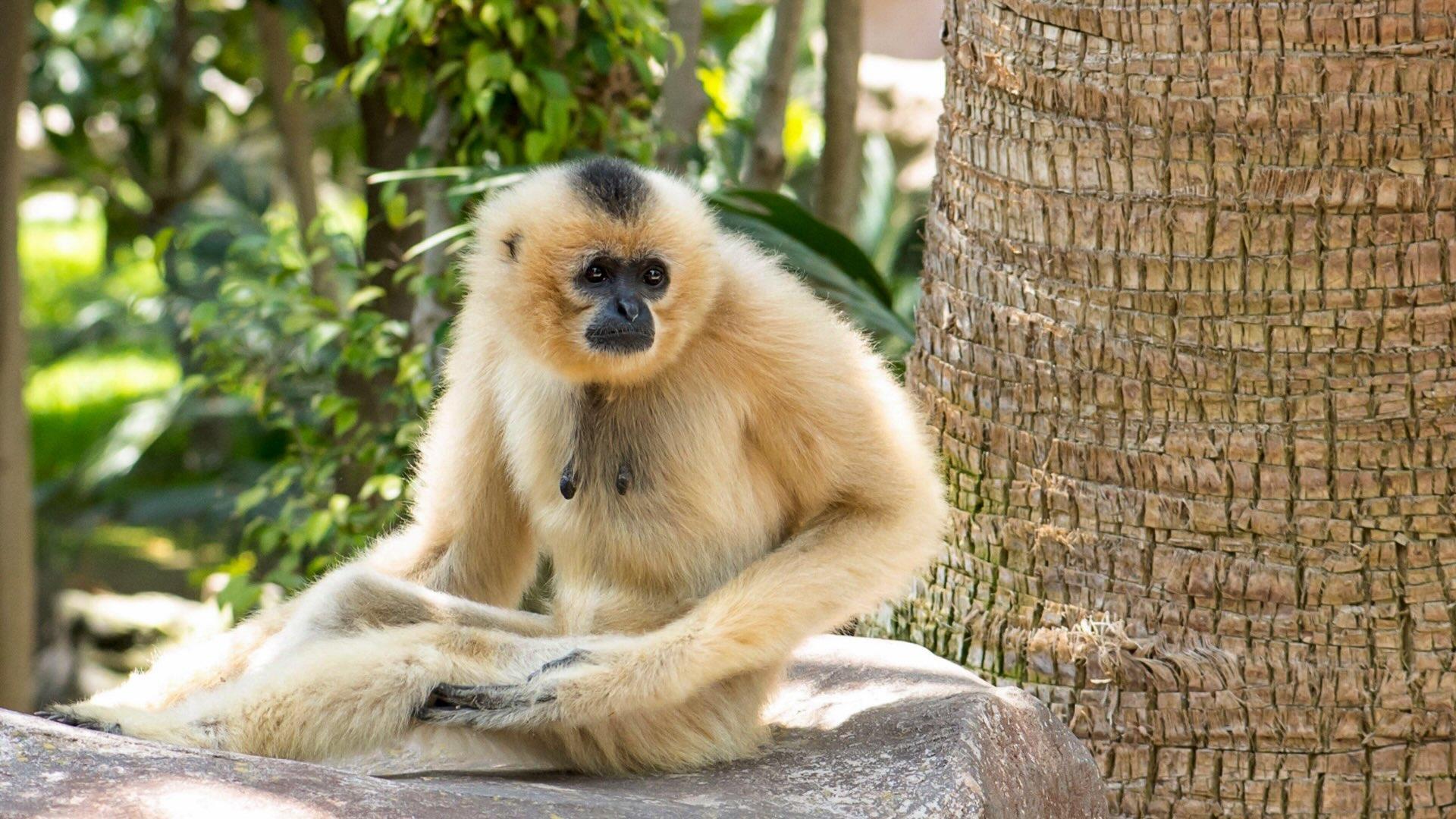
Once down to just 13 individuals in 2003, the world’s rarest primate—the Hainan gibbon—has rebounded to around 42 today. A groundbreaking Science Advances study reveals the secret: ancient genetic lineages remixed after an Ice Age bottleneck, delivering surprising resilience and beneficial variations despite low diversity. Thanks to targeted conservation, community education, and one thriving family now living outside the reserve, this critically endangered ape offers real hope.
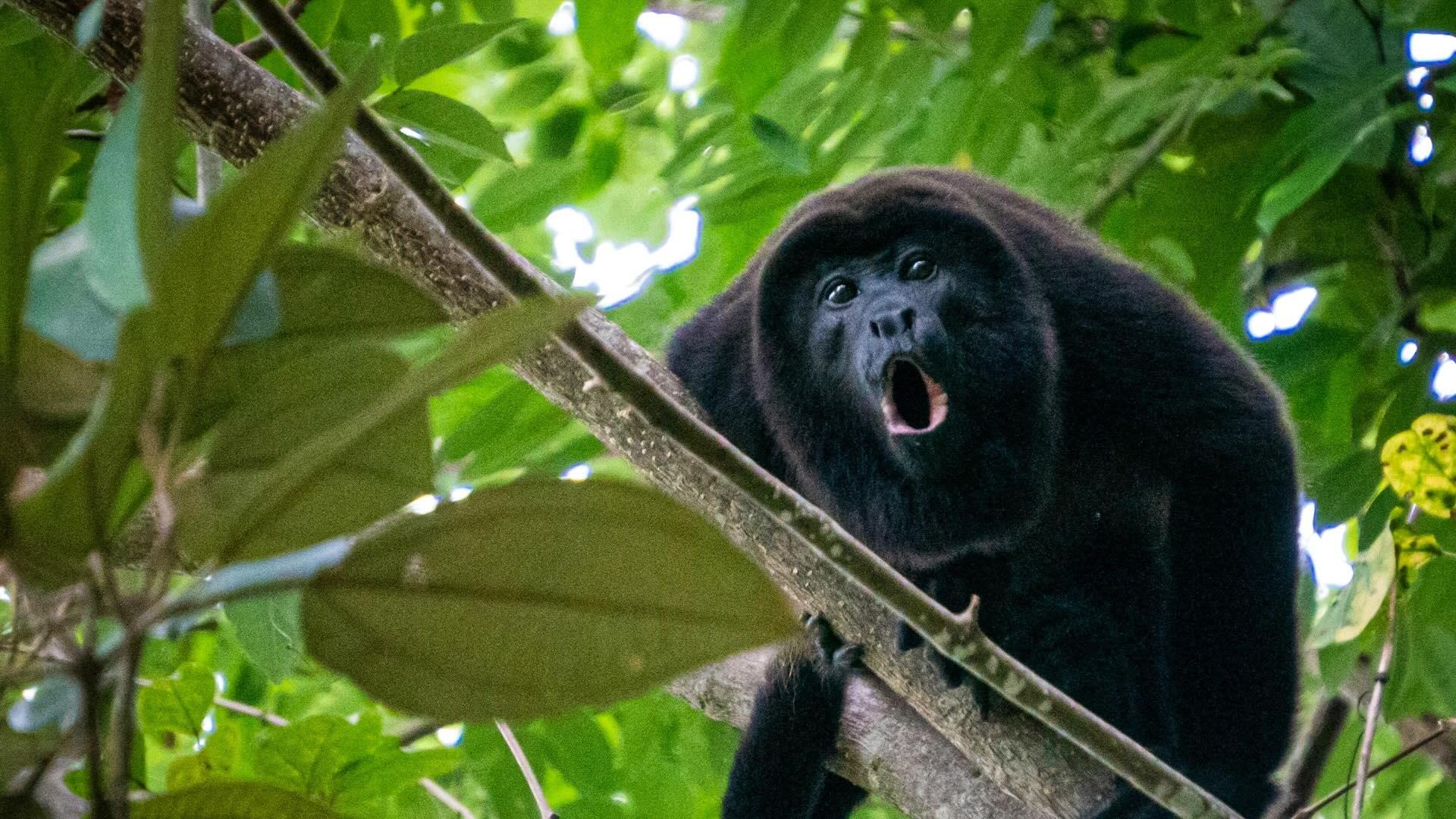
Costa Rica's Constitutional Court has ruled against bare electrical wires that electrocute thousands of wild animals annually, including howler monkeys and sloths. Authorities must implement protective measures within six months or face imprisonment. Sparked by dedicated conservationists, this decision enforces the right to a healthy environment and sets a crucial precedent for infrastructure accountability.
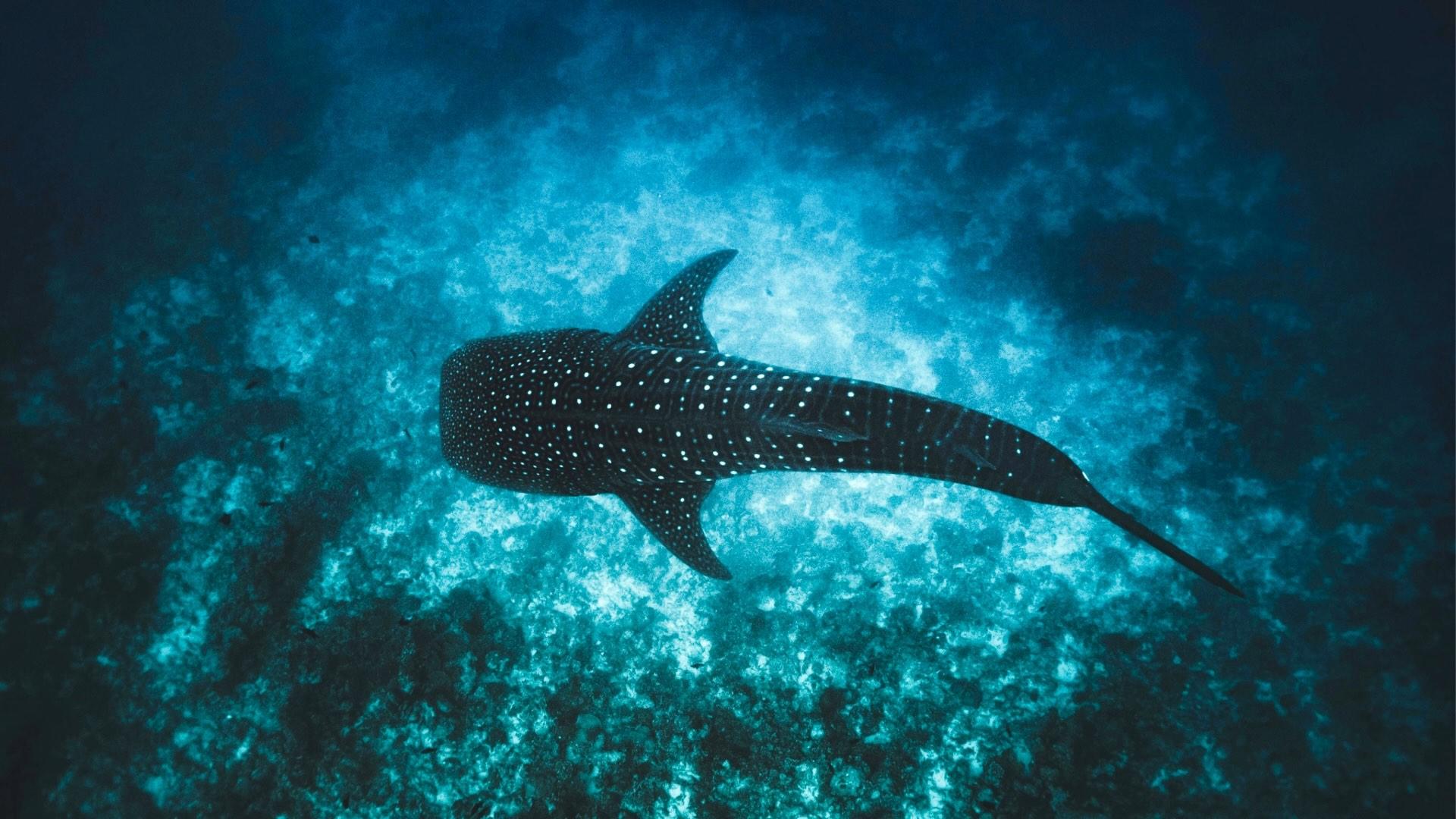
Along India's Arabian Sea coast, fishers have transformed from hunters to rescuers. Once targeting whale sharks for oil and meat, communities in Kerala and Gujarat now cut their fishing nets to free these endangered giants. Thanks to the Wildlife Trust of India's campaign since 2001, over 1,000 have been saved.