Stories
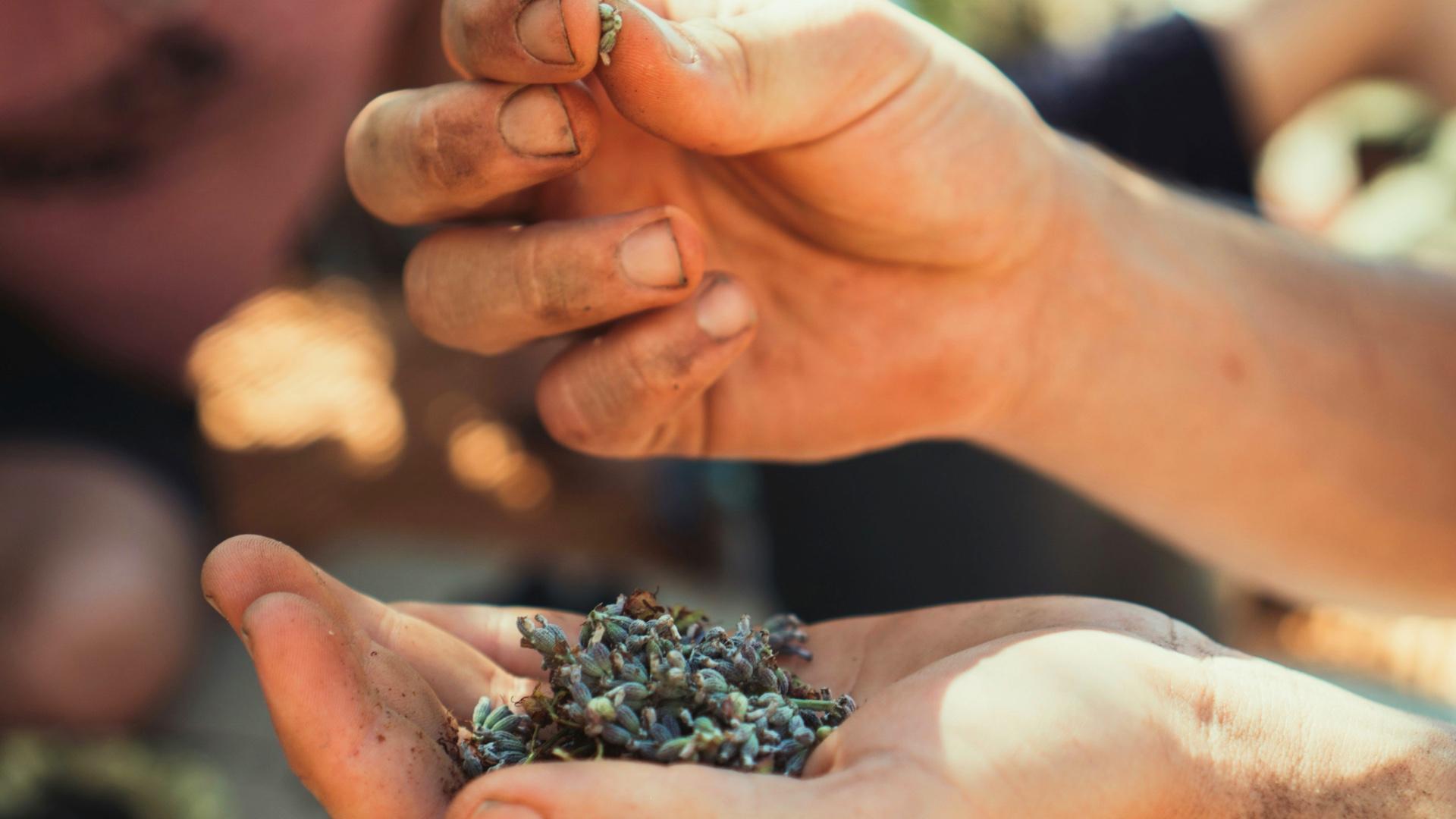
Deep in Chile's Atacama Desert—the world's driest—the camouflaged Initihuasi Seed Bank serves as the heart of a national network, freezing thousands of seeds at subzero temperatures to preserve 4,655 plant species against climate threats. Researchers collect rare specimens, propagate endangered plants, and share backups globally, creating a "Noah’s Ark" for agriculture that ensures genetic resilience for food crops facing shifting conditions in the coming decades.
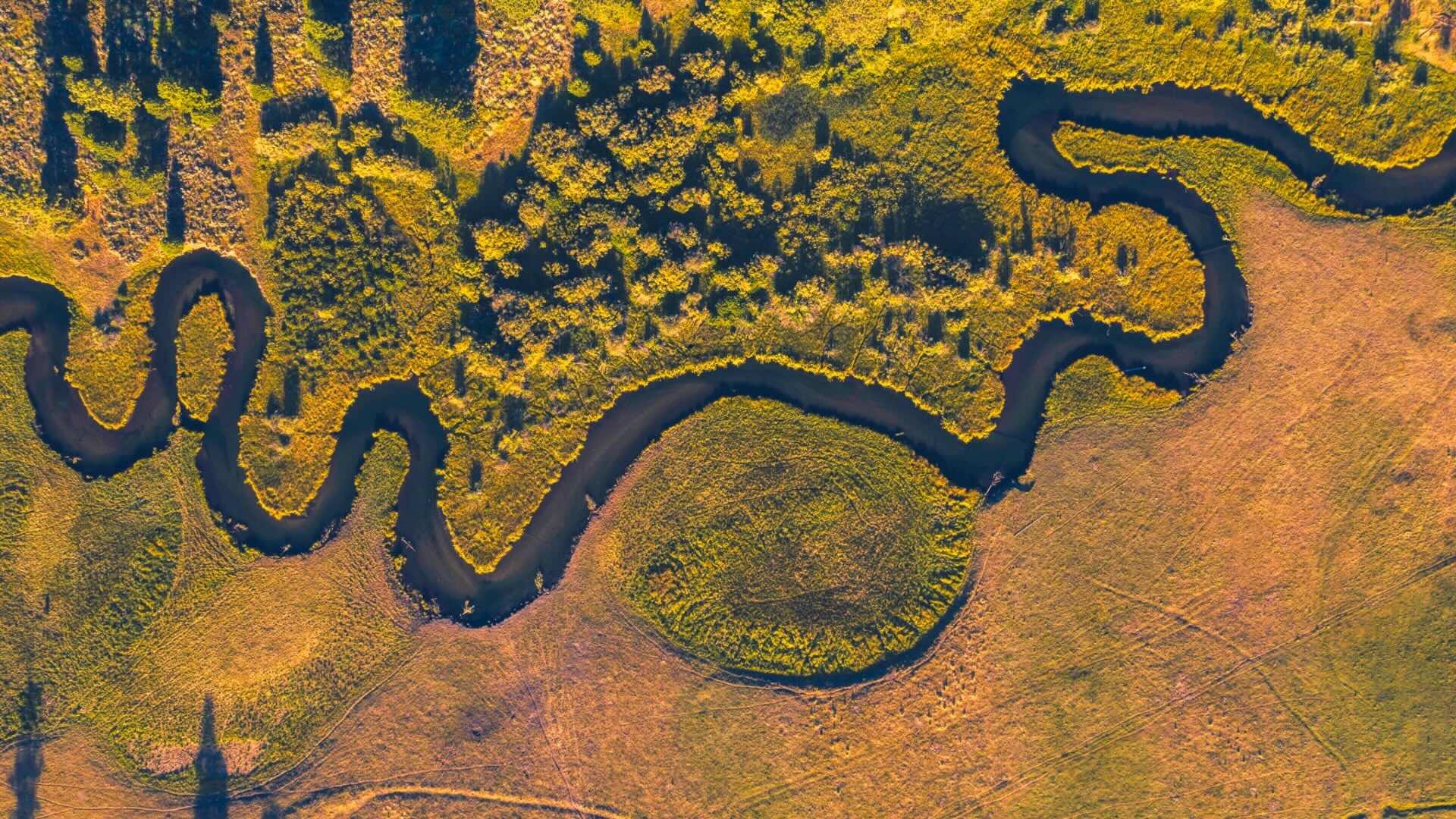
Recent LandBack progress across the West shows tribes regaining vital ancestral territories through state and federal partnerships. California delivered over 32,000 acres to multiple nations including the Yurok's massive Blue Creek watershed return, while the Washoe, Southern Sierra Miwuk, and Tule River tribes reclaimed significant lands for cultural and ecological revival. North Dakota's Spirit Lake Nation and Alaska Natives also saw gains, though threats persist at places like Oak Flat and Chaco Canyon.
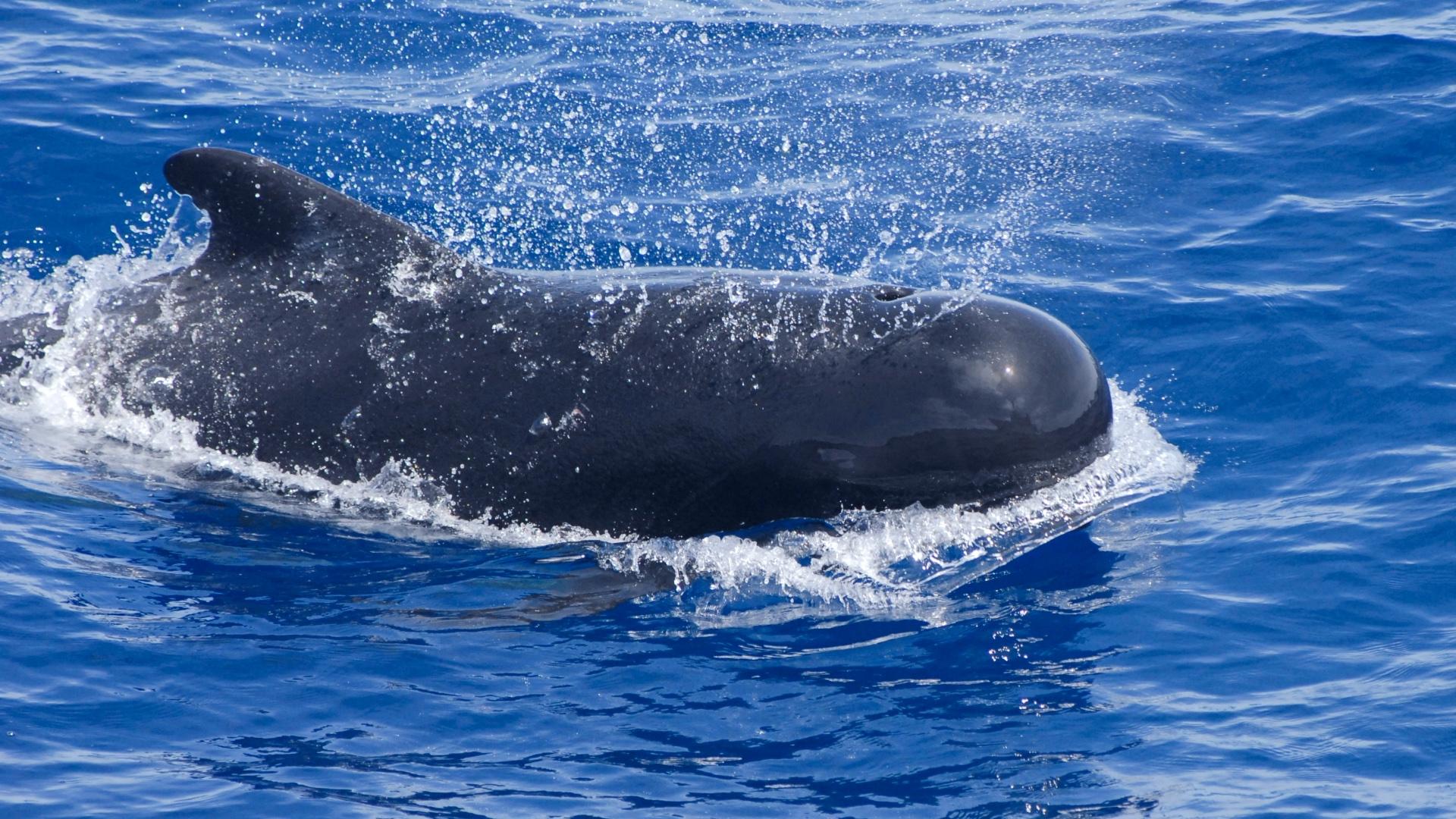
A Harvard-led study of pilot whales in the North Atlantic shows that PFAS (forever chemicals) in their tissues peaked around 2011 and have dropped more than 60% by 2023, thanks to voluntary and regulatory phase-outs of the most harmful compounds starting in the early 2000s. While newer replacements are rising, the findings show regulations can effectively curb pollution even in remote ocean ecosystems, but with a strong caveat.
Yathin S Krishnappa / Wikipedia CC BY-SA 3.0
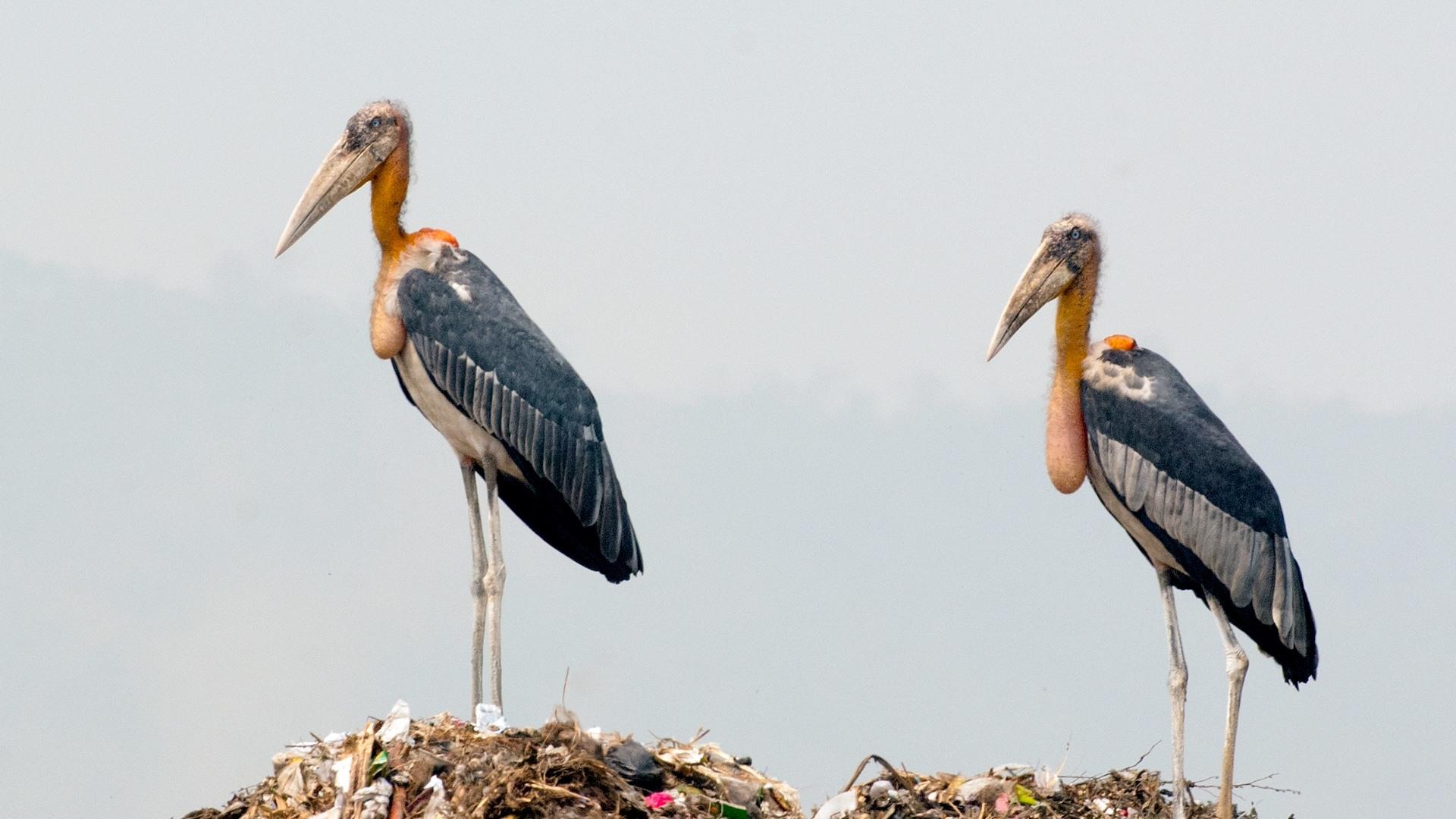
The greater adjutant stork was once reviled as a harbinger of misfortune and nearly driven to extinction by habitat loss and persecution. Since 2007, biologist Purnima Devi Barman has led the Hargila Army, an all-women network now numbering around 20,000. Through education, cultural festivals, and folklore revival, they've shifted community attitudes and grown the population from roughly 450 to about 1,800 birds.
Michele Burgess / Alamy
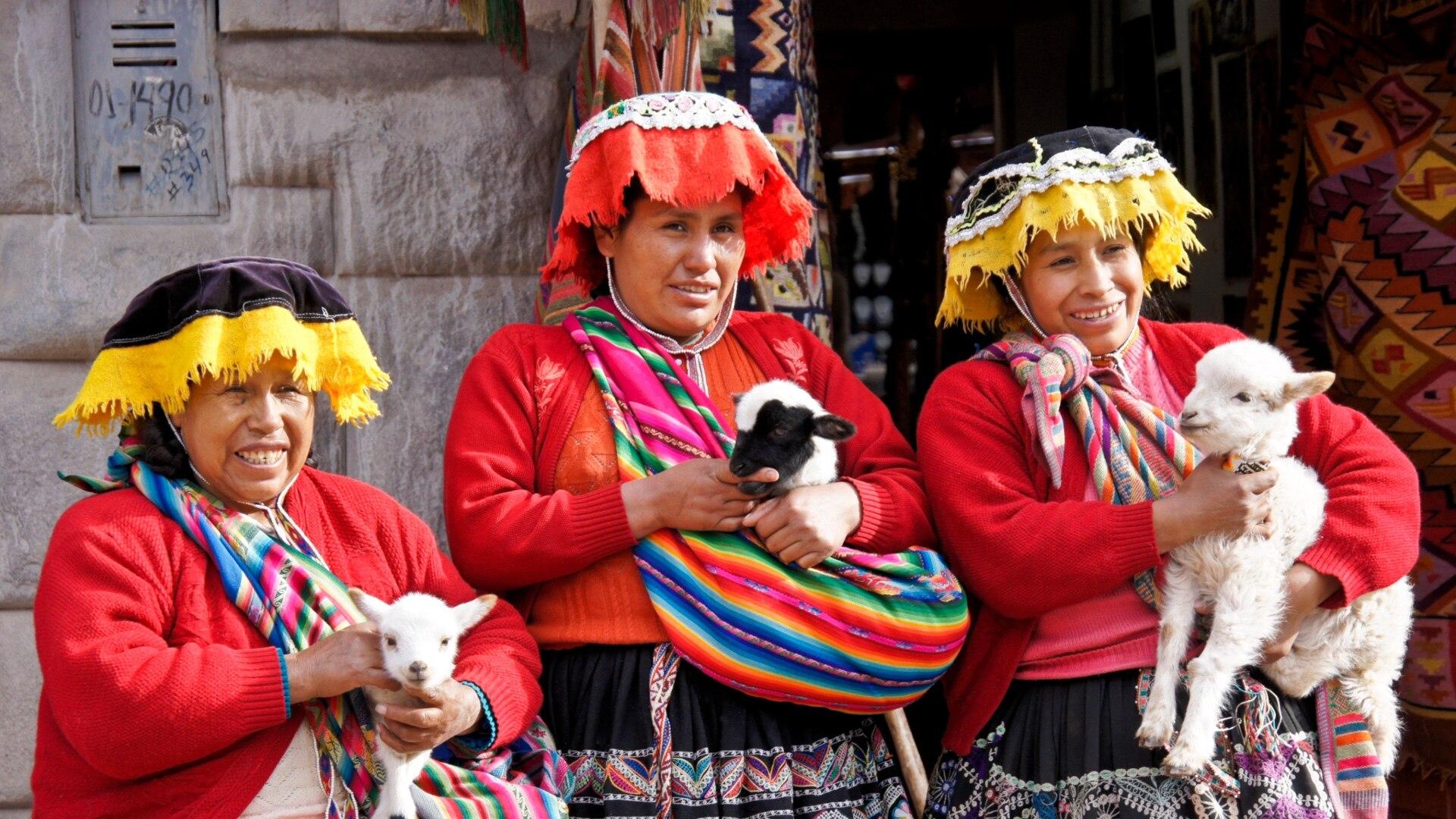
In the Peruvian Andes, wildcats like pumas, pampas cats, and the rare Andean cat were long viewed purely as dangers to livestock, leading communities to hunt them for survival. Yet the transformative journey of one woman, Ida, has reshaped her community's perspective, pioneering peaceful ways to share the landscape with these animals.
Mark Brennan / Wikipedia CC BY-SA 2.0
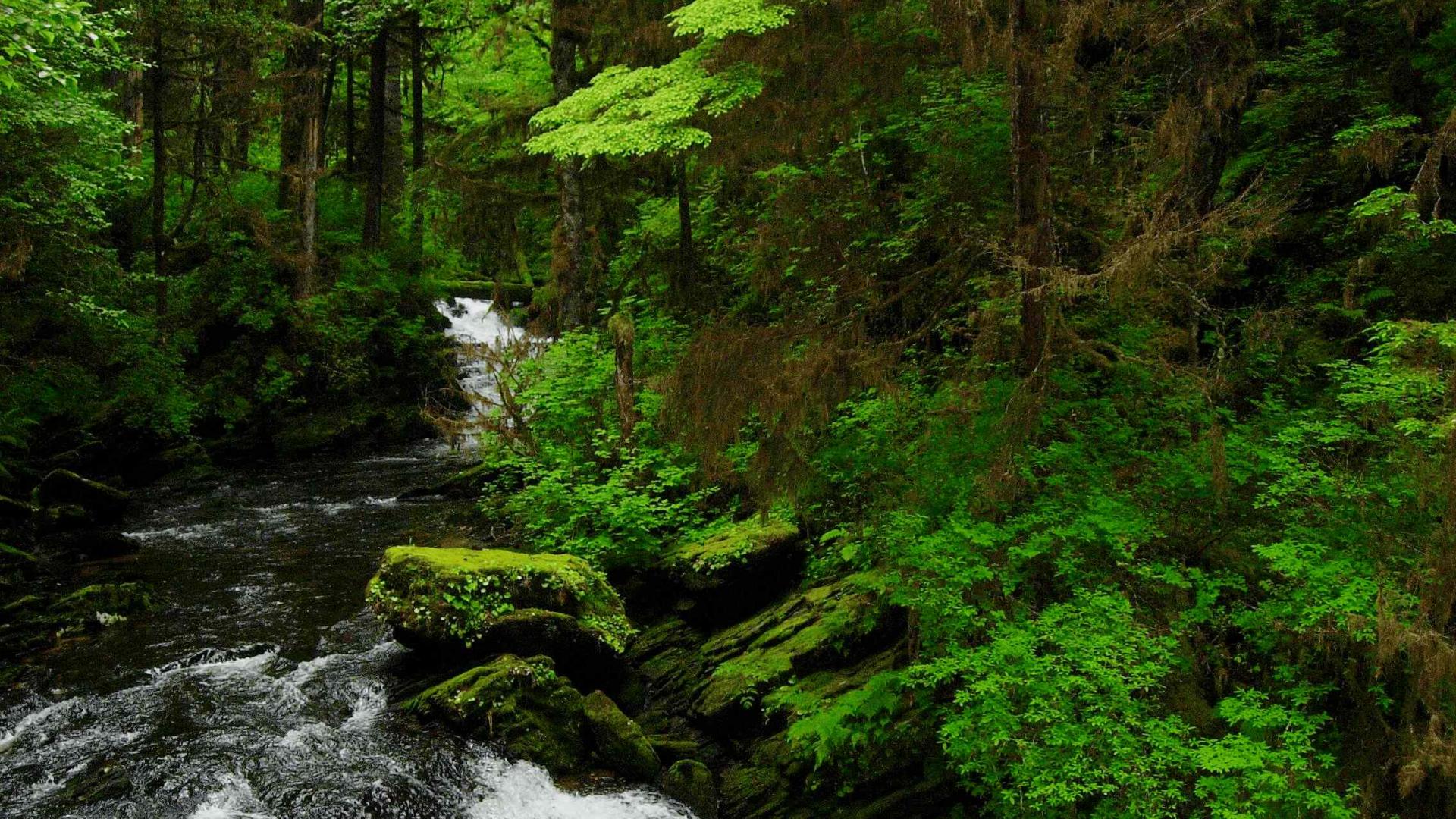
America's largest temperate rainforest, the Tongass, is home to old-growth giants, epic salmon runs, grizzlies, wolves, and massive carbon storage, while serving as the cultural heartland for Tlingit, Haida, and Tsimshian peoples. The Trump administration seeks to rescind the Roadless Rule, which would allow new logging on millions of acres.
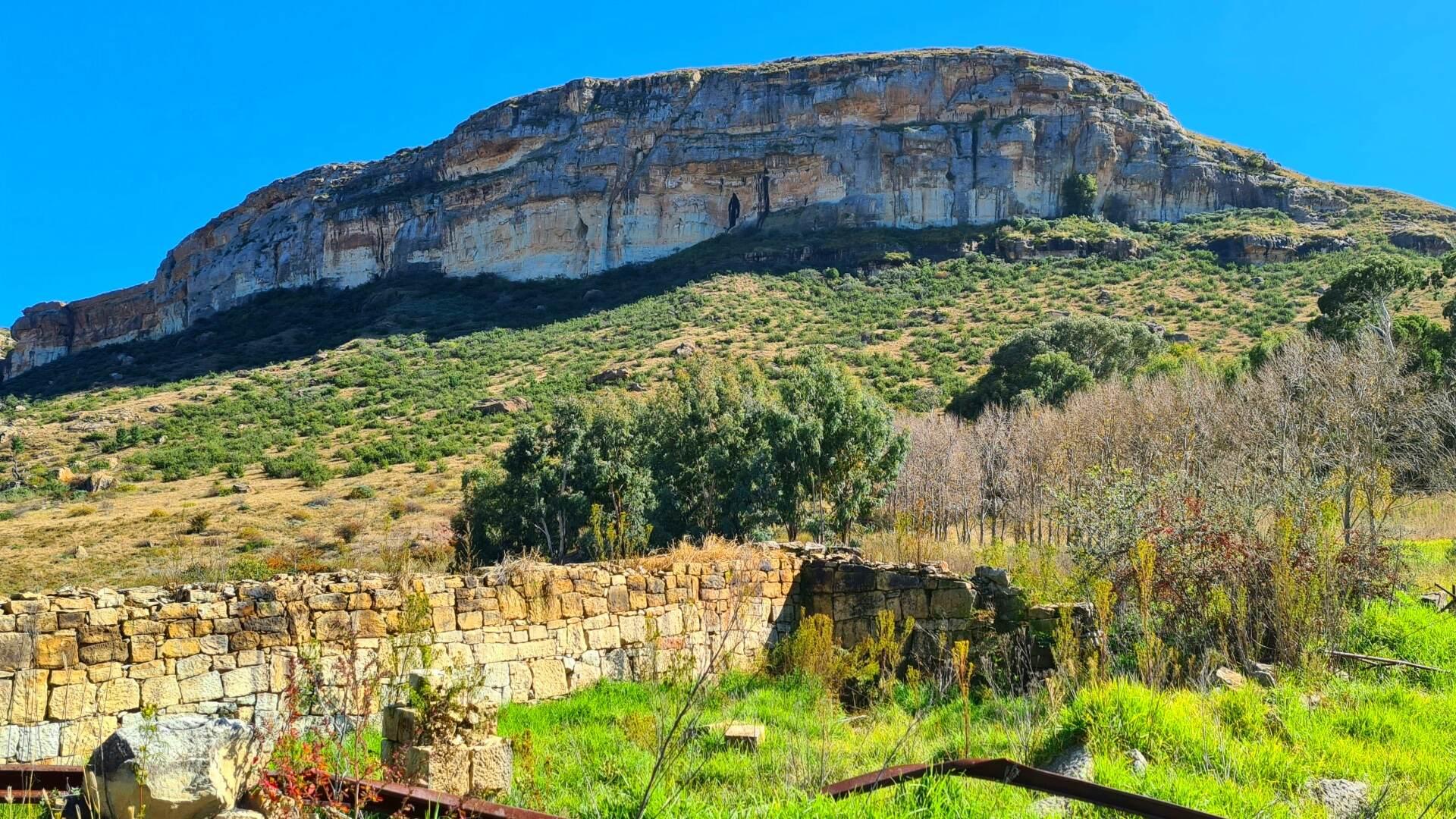
In South Africa’s Eastern Cape, a powerful community alliance in Matatiele is bringing dead rangelands back to life. Farmers, herders, and conservationists work together to clear invasive trees, plant tough native grasses, and rotate livestock, reviving springs and restoring wildlife habitat while securing clean water and stronger livelihoods for thousands.
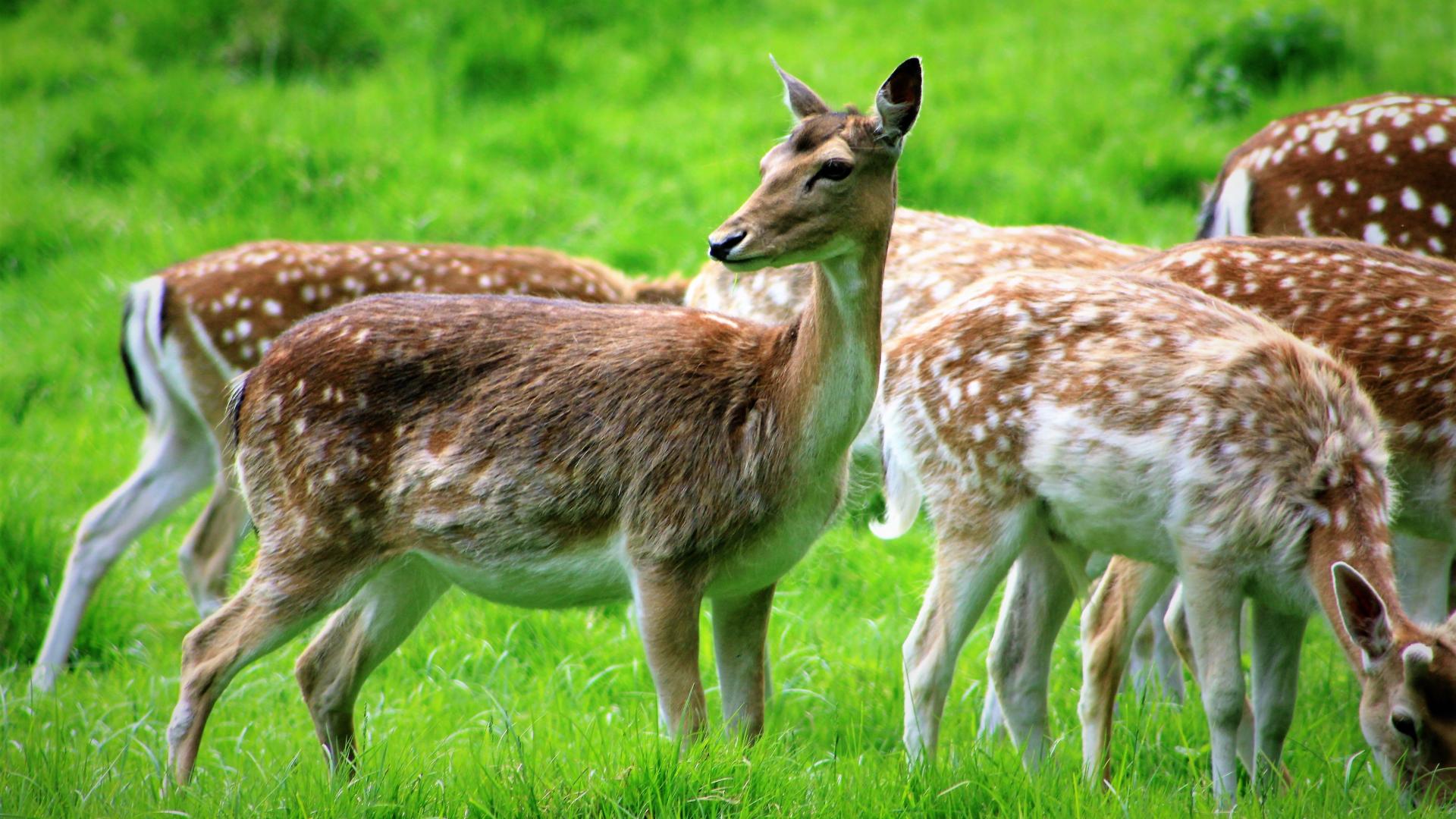
In British Columbia’s Gulf Islands, explosive deer populations have ravaged rare Garry oak woodlands, devouring food and medicinal plants, triggering an ecological collapse. A groundbreaking study finds that Indigenous-led hunting is the most cost-effective solution, honoring treaty rights and cultural practices to restore ecosystems and food sovereignty.
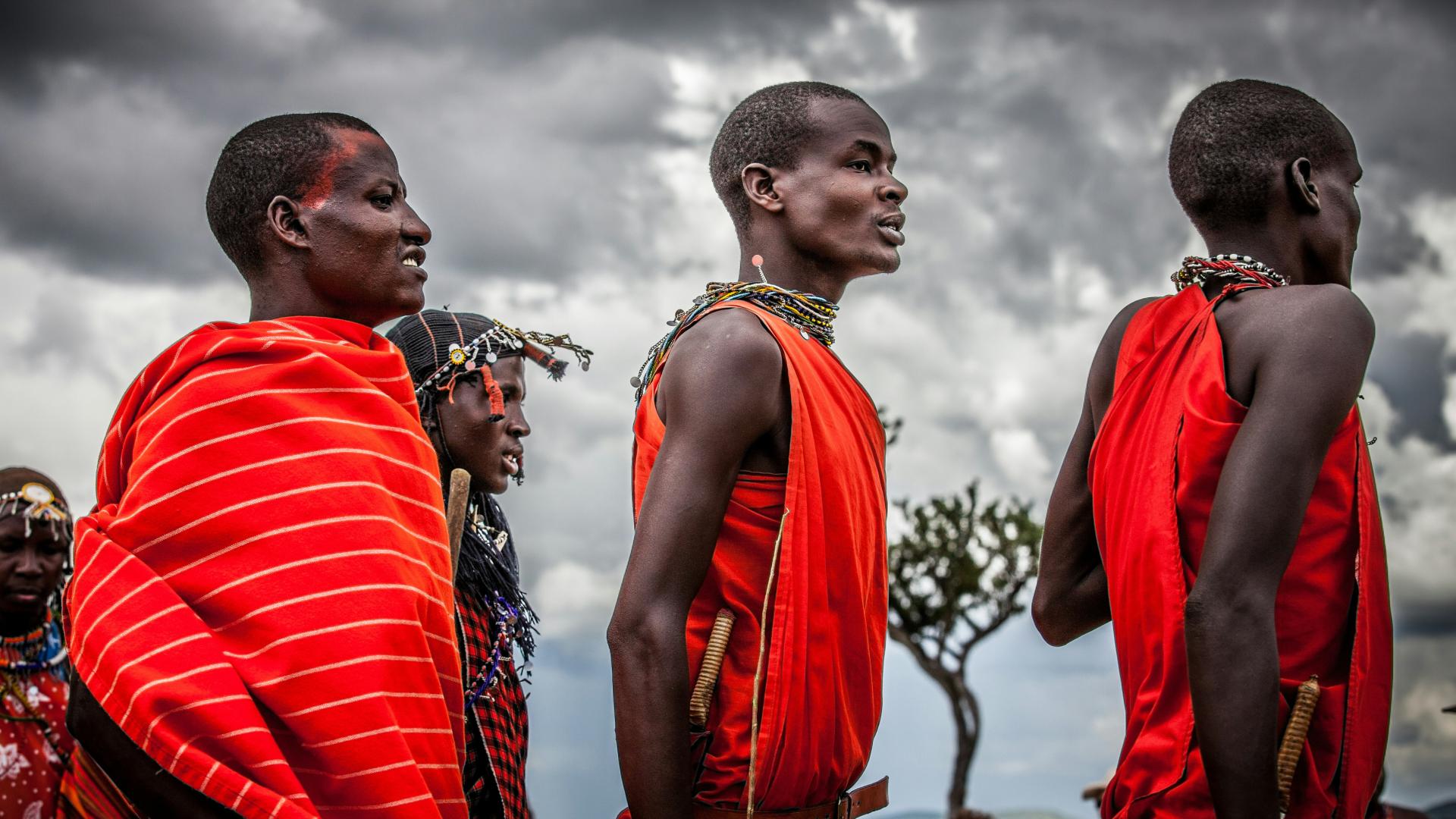
The Nashulai Maasai Conservancy is convincing private landowners to lease their land for conservation, stitching together a continuous, fence-free stretch of open grassland that links directly to the Maasai Mara National Reserve, allowing wildlife to move safely.
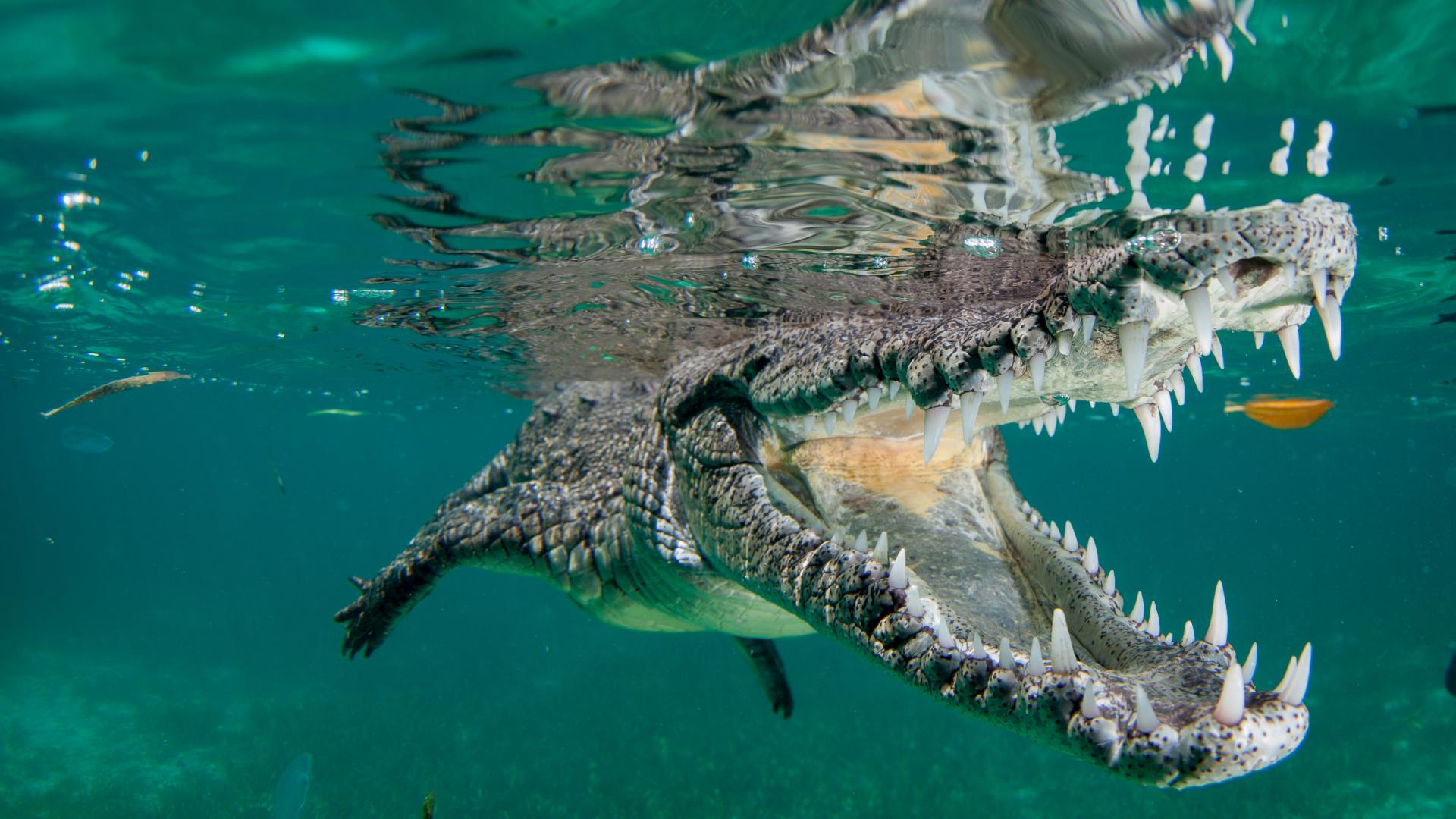
At Florida Power & Light’s Turkey Point Nuclear Plant, a network of cooling canals built in the 1970s has unintentionally become the prime habitat for American crocodiles, enabling the species to rebound from near-extinction in the U.S. through active management and protection. In 2025, biologists at the plant recorded a record 606 hatchlings from about 30 nests, contributing to a statewide population now estimated at over 2,000 and the species' ongoing recovery and northward expansion.
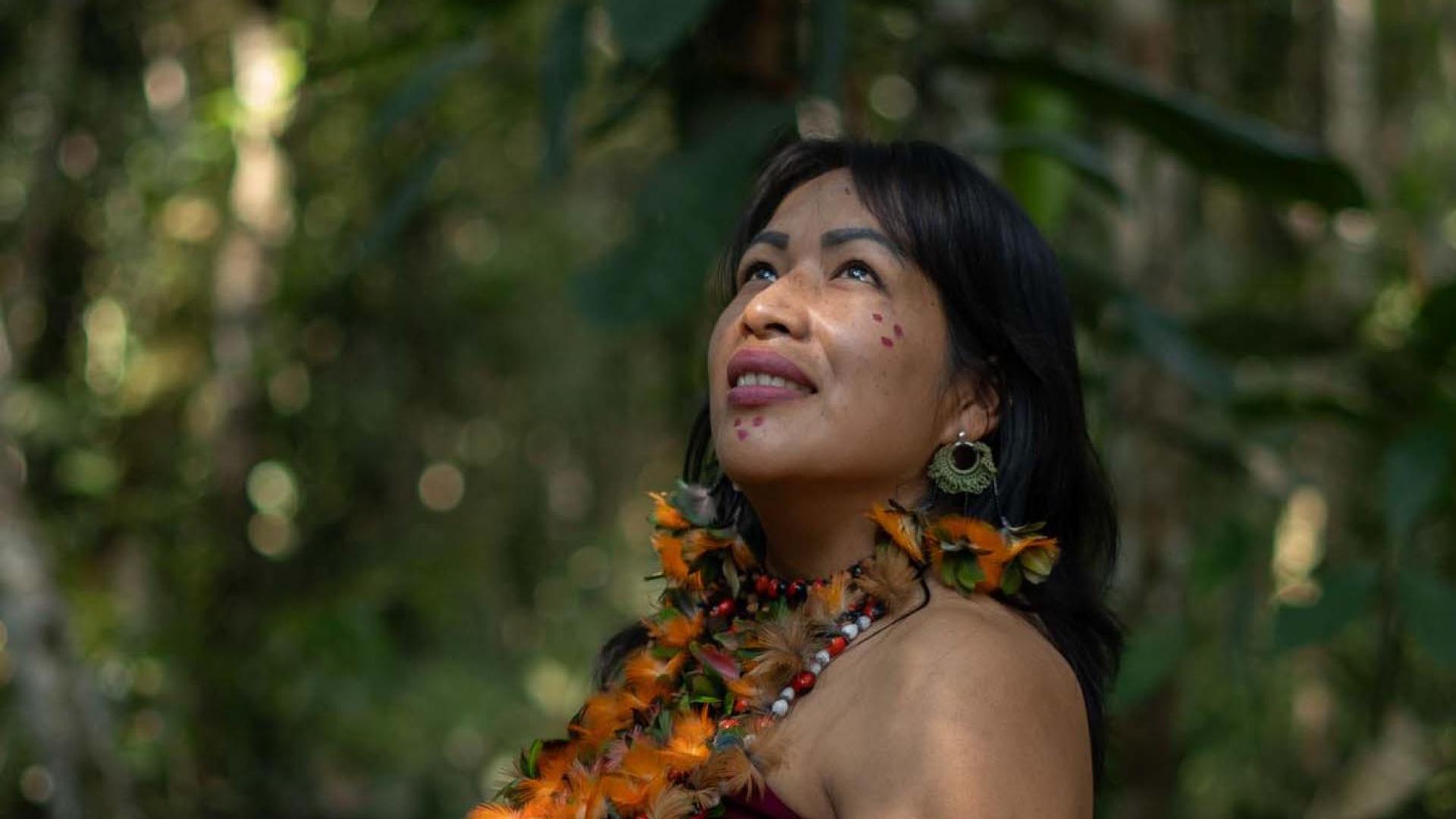
The Alto Mayo region in the Peruvian Andes protects vital cloud forests teeming with biodiversity, but decades of migration and clear-cutting for coffee and cacao farming have threatened its ecosystems. For 15 years, Conservation International has partnered with local Awajún Indigenous communities, farmers, patrollers, and birdwatchers to promote sustainable agriculture, successfully curbing deforestation and expanding these efforts across the broader Peruvian Amazon.
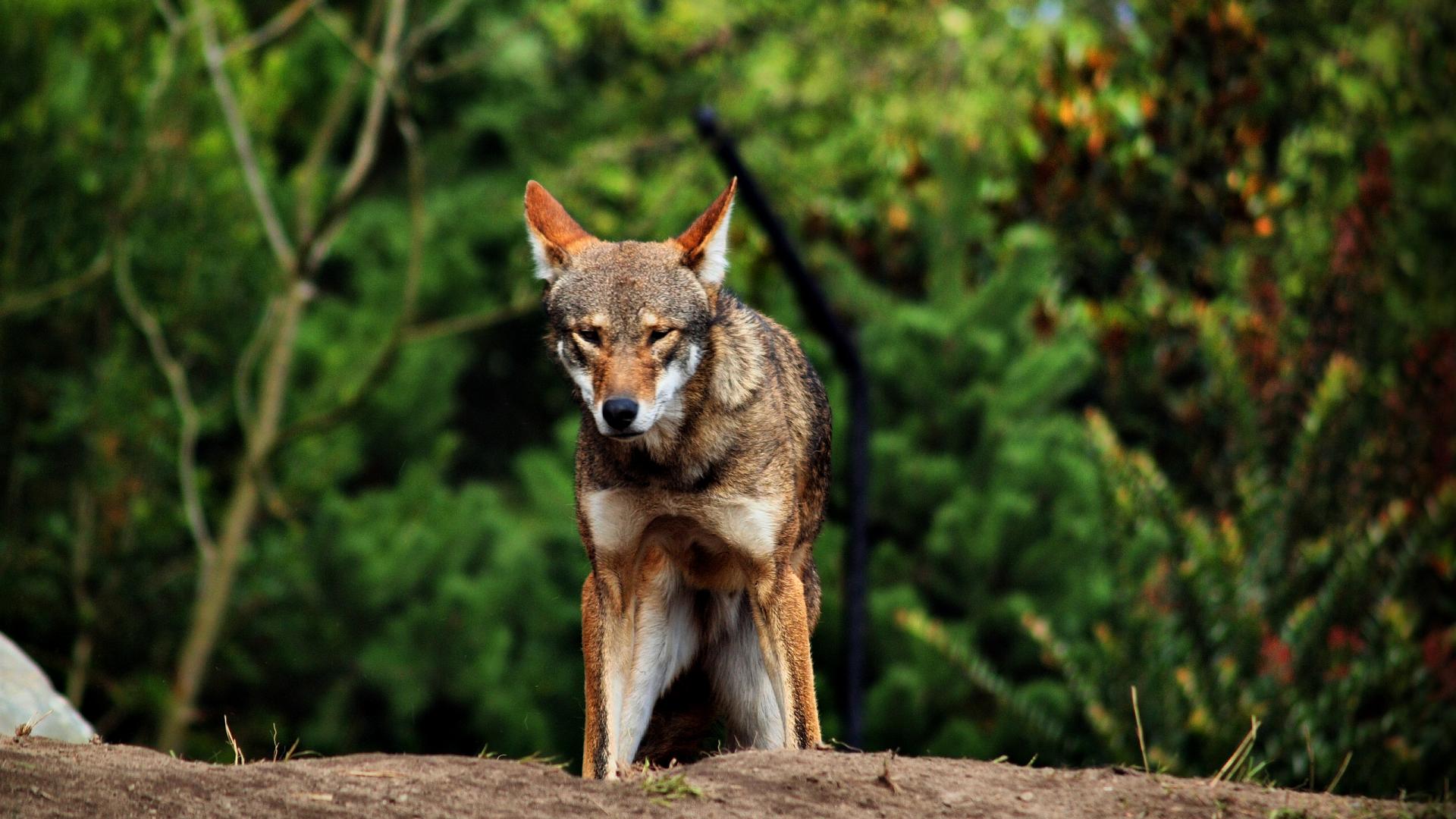
Matthew Zalewski / Wikipedia CC BY-SA 4.0
Eric Trefney recounts his encounters with critically endangered Red Wolves, progressing from hearing their eerie howls at night to witnessing births, deaths, territorial disputes, and brief one-on-one encounters. Through patient observation, Eric discovers that wolves offer humans a rare pathway back to a deep, silent connection with the natural world, reminding us that true understanding and coexistence begin with simply listening, watching, and being present.