Stories
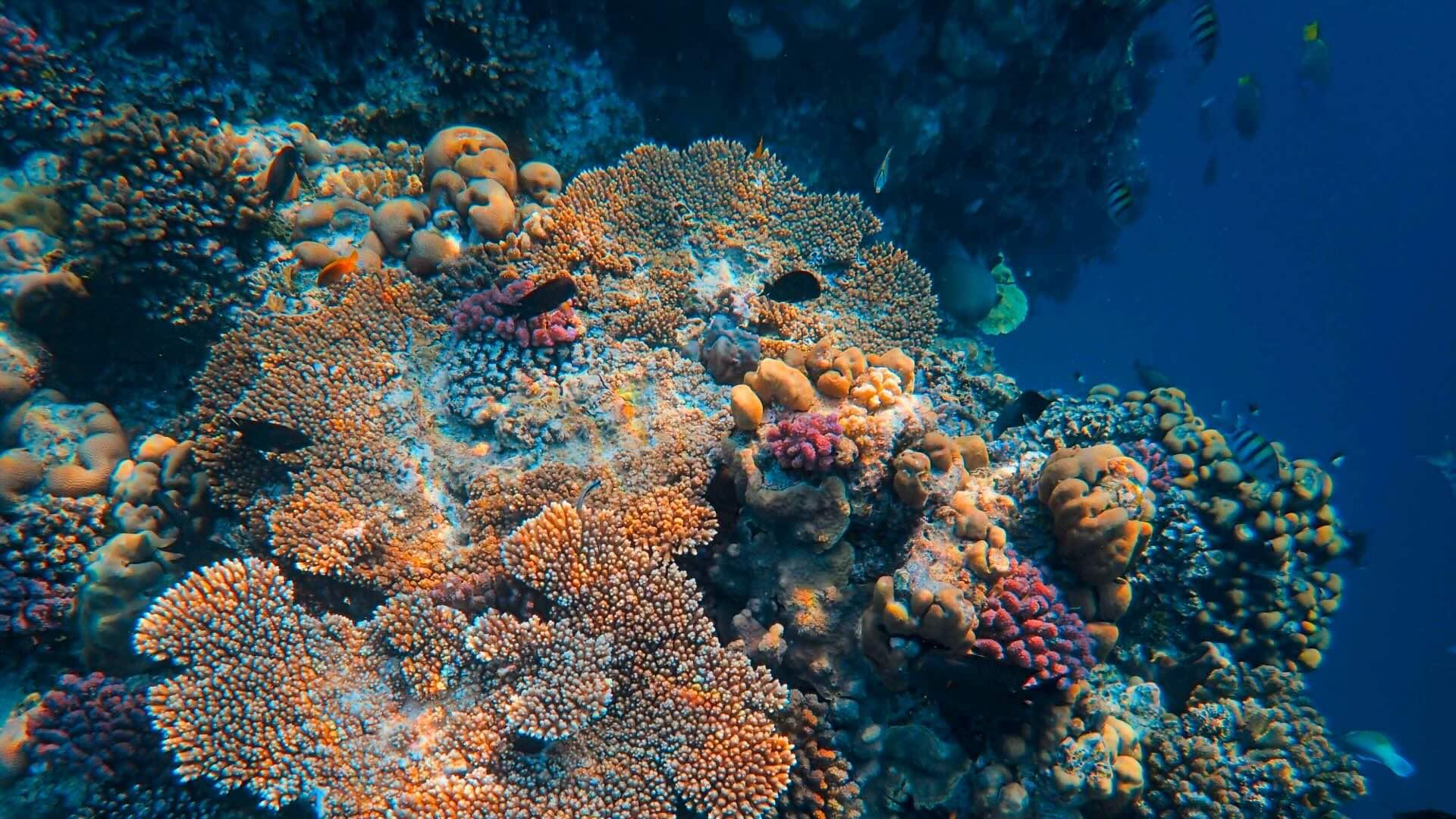
Scientists aboard a UK research ship have explored the deep waters around the Cayman Islands, Anguilla, and Turks and Caicos for the first time, uncovering vast underwater mountain ranges, a huge blue hole, and thriving coral reefs seemingly untouched by climate change. They captured stunning images of glowing pelican eels, barreleye fish, dragonfish, and ancient black corals, highlighting a remarkably pristine ecosystem now in need of protection.
Keren Su/China Span / Alamy
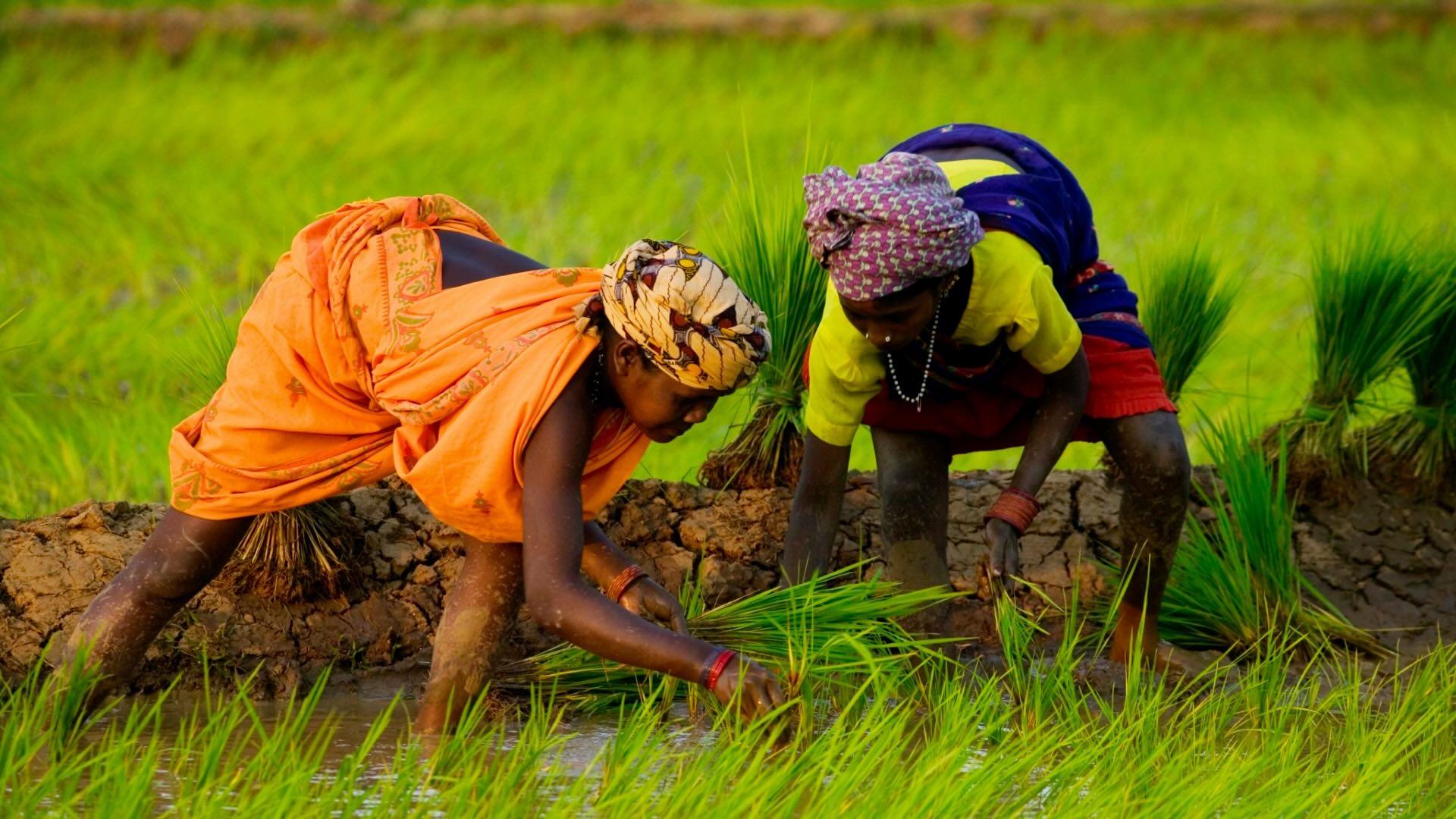
On International Women's Day 2026, Navdanya International highlights the vital role of women in defending seeds, biodiversity, and food sovereignty across India. Two powerful new films showcase grassroots resistance: the trailer for "Annapurna," exploring rice cultures and traditions, and the full documentary "Shakti," following organic farmers breaking free from corporate agriculture. These stories reveal how women regenerate soil, restore health, and build resilience amid global crises.
David Muenker / Alamy
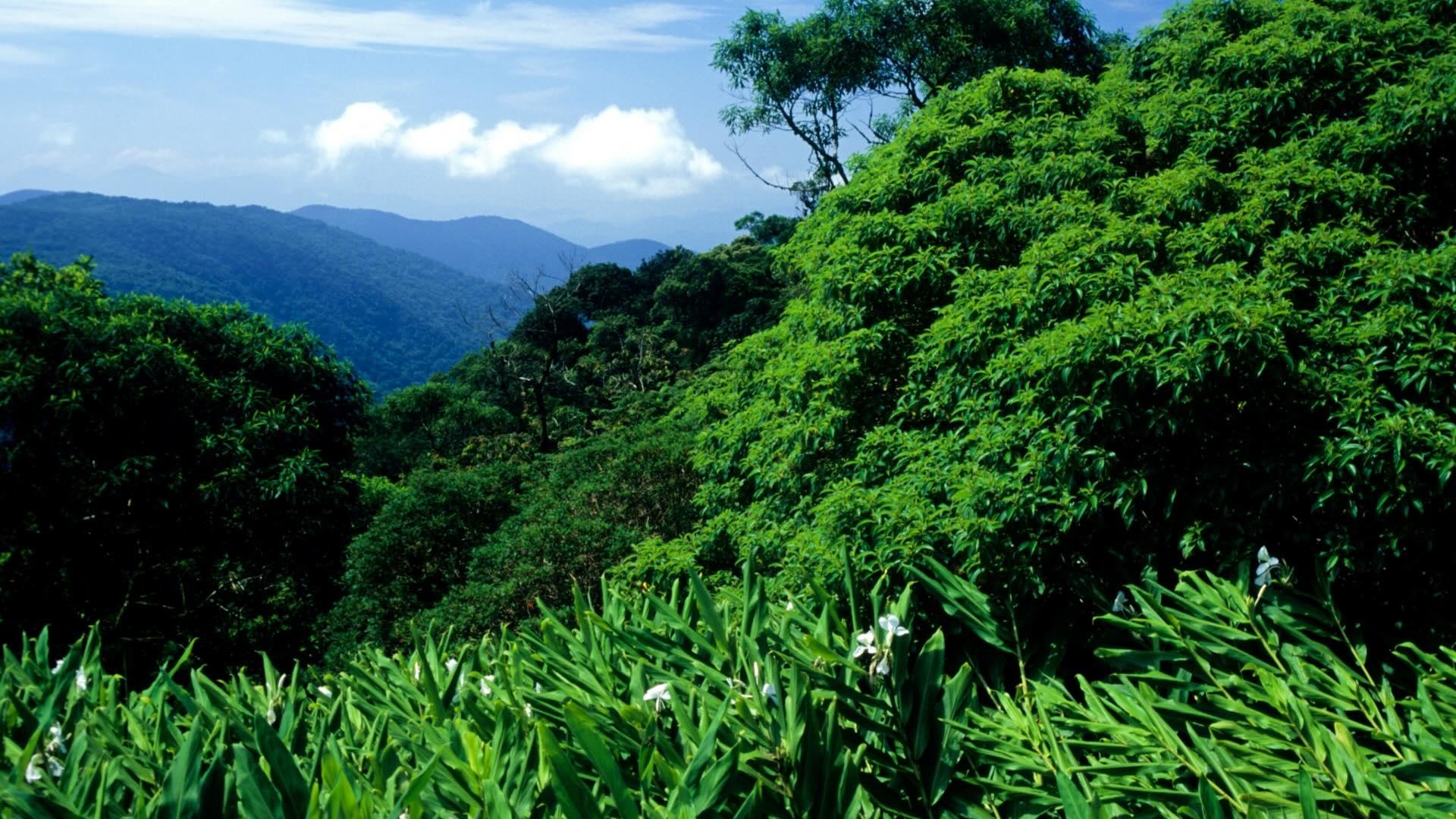
New research reveals that nearly 60 percent of native plant species in Brazil's restored Atlantic Forest patches hold real market potential in medicinal, cosmetic, and food sectors. With private landowners controlling most of the biome and facing financial hurdles to reforestation, developing sustainable markets for these plants could provide income through nondestructive harvesting. This approach might finally align conservation goals with economic incentives to scale up restoration across the threatened ecosystem.
Joacy Souza / Alamy
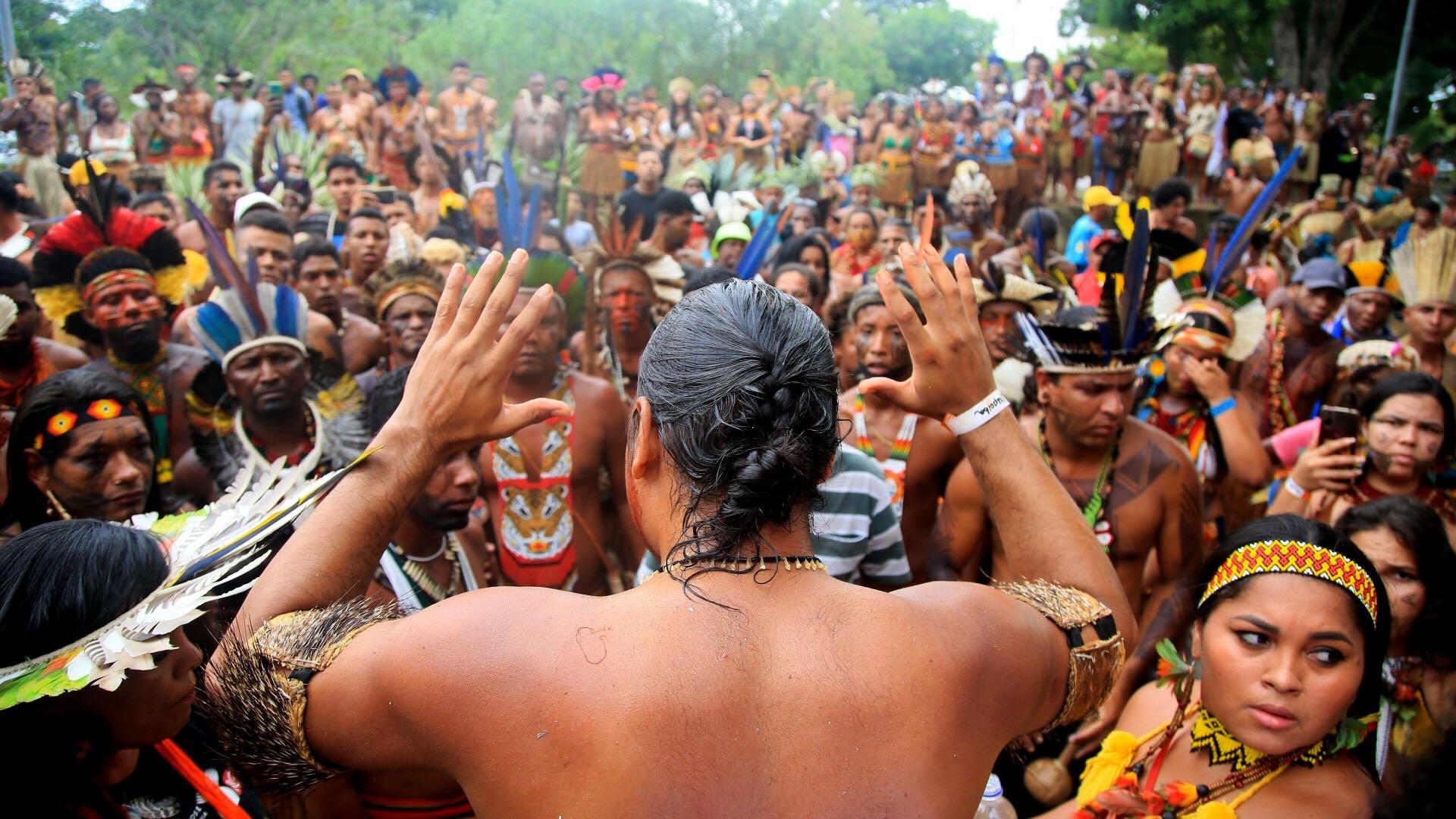
In February 2026, over 60 Indigenous leaders from Brazil, Colombia, Ecuador, and Peru convened in the Peruvian Amazon to address the escalating invasion by organized crime groups fueling illegal mining, drug trafficking, and logging. Facing violence, displacement, and environmental devastation, communities are strengthening territorial governance, women's leadership, and sustainable alternatives. Their Pucallpa Declaration calls for global recognition of Indigenous autonomy as essential to safeguarding the rainforest.
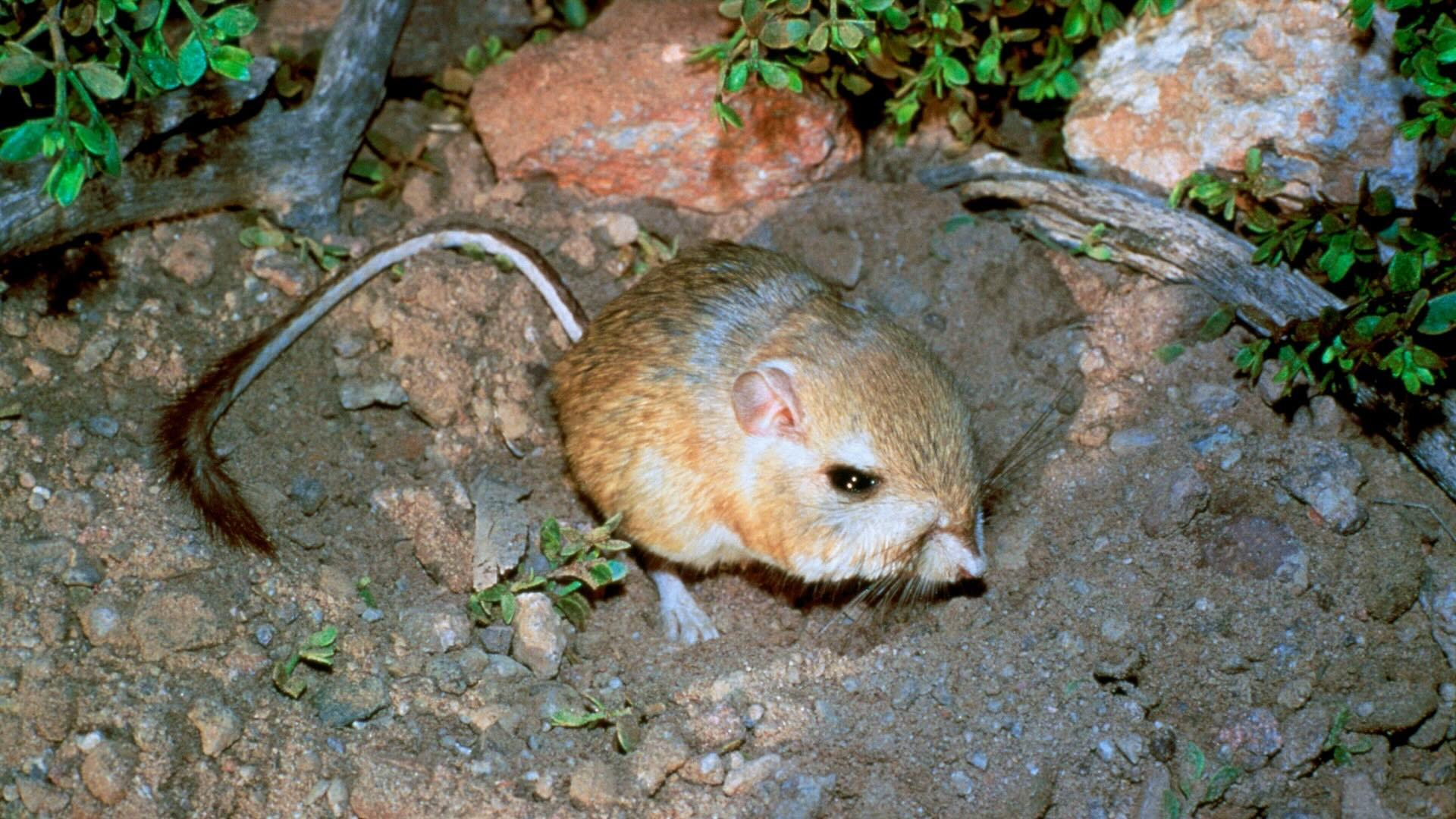
In California's remote Carrizo Plain, a semiarid grassland spared from heavy development, biologists carefully trap and monitor the giant kangaroo rat. This nocturnal keystone species creates bare patches around its burrows that boost plant diversity, curb invasive grasses, and support countless other animals. Once nearly wiped out, its population has rebounded dramatically thanks to dedicated conservation efforts, highlighting the delicate balance of this quiet refuge.
Getty Images for Unsplash+
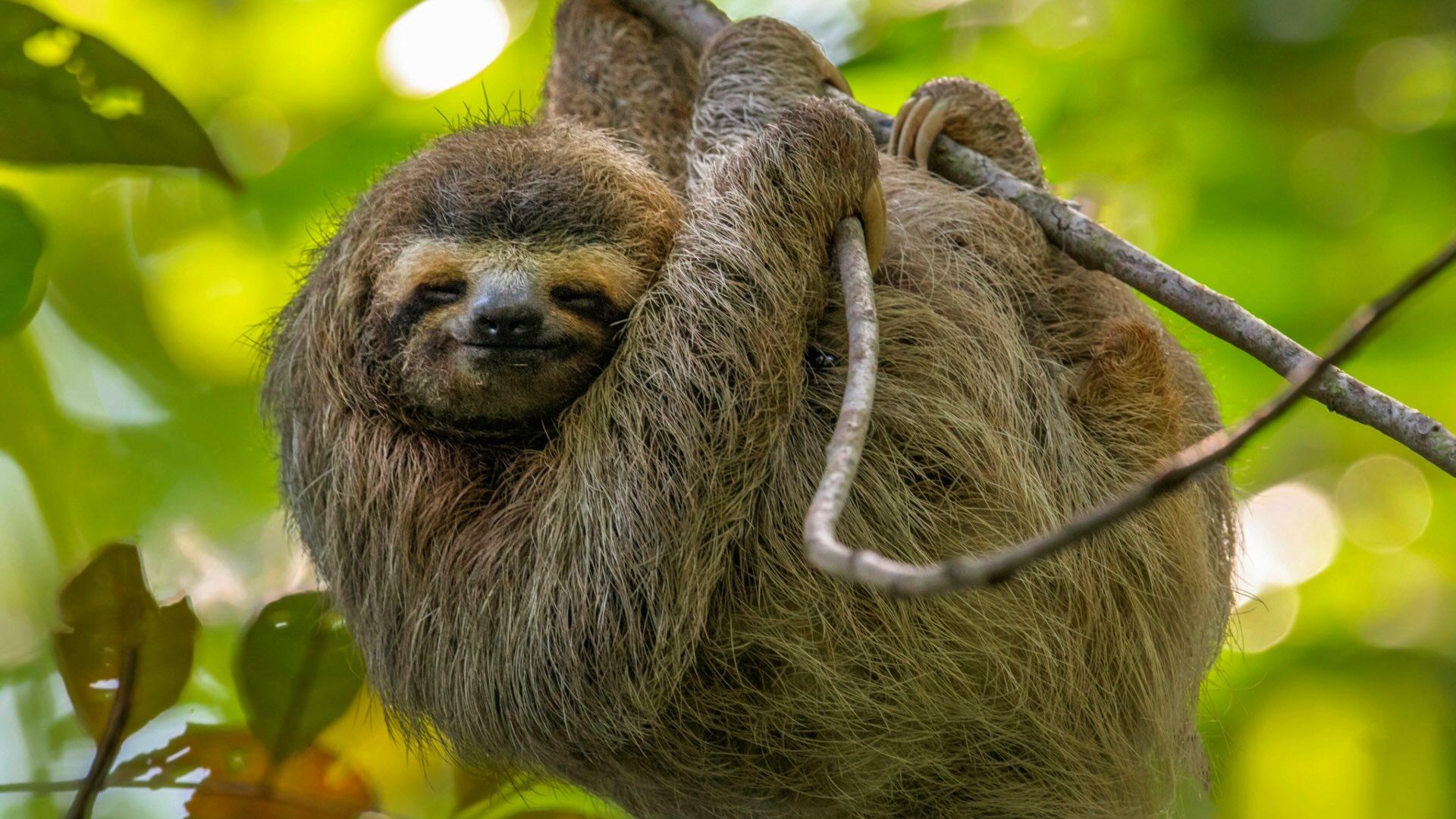
Researchers across South America's Amazon and Atlantic forests are installing canopy bridges made of ropes, nets, and platforms to help tree-dwelling animals like sloths, monkeys, and porcupines safely cross roads and gaps caused by highways and development. Recent studies show species using these structures for the first time, reducing roadkill and supporting gene flow in fragmented habitats. Low-cost and adaptable designs offer promising conservation tools amid growing infrastructure threats.
Mark Conlin / Alamy
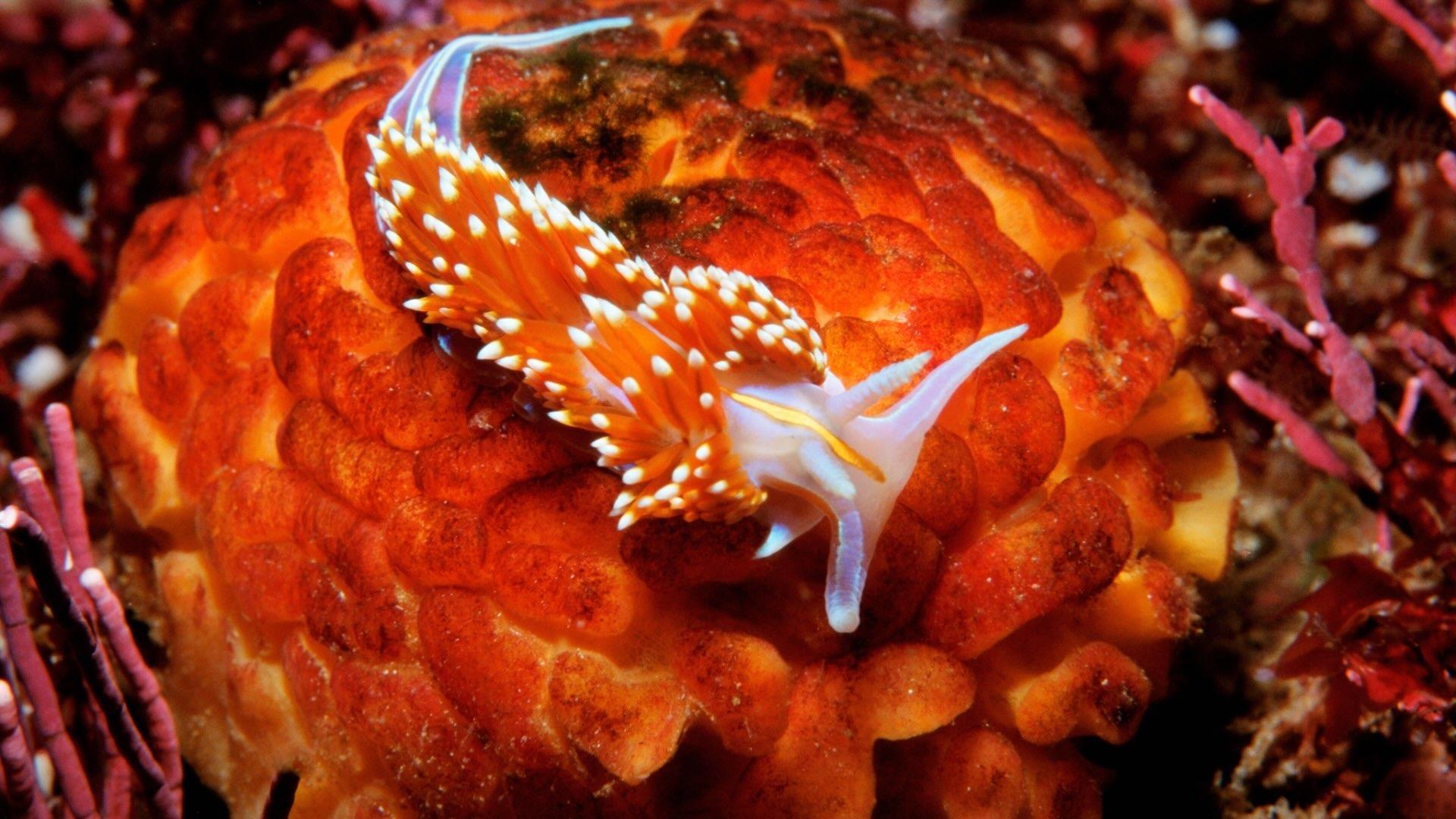
For years, tide pool enthusiasts knew one stunning nudibranch as Hermissenda crassicornis, a reliable splash of color along the West Coast. Then genetic analysis showed it was actually multiple species, splitting the familiar form into the opalescent nudibranch and others. This quiet scientific revision reminds us how fragile our understanding of biodiversity can be and why accurate names matter for effective conservation.
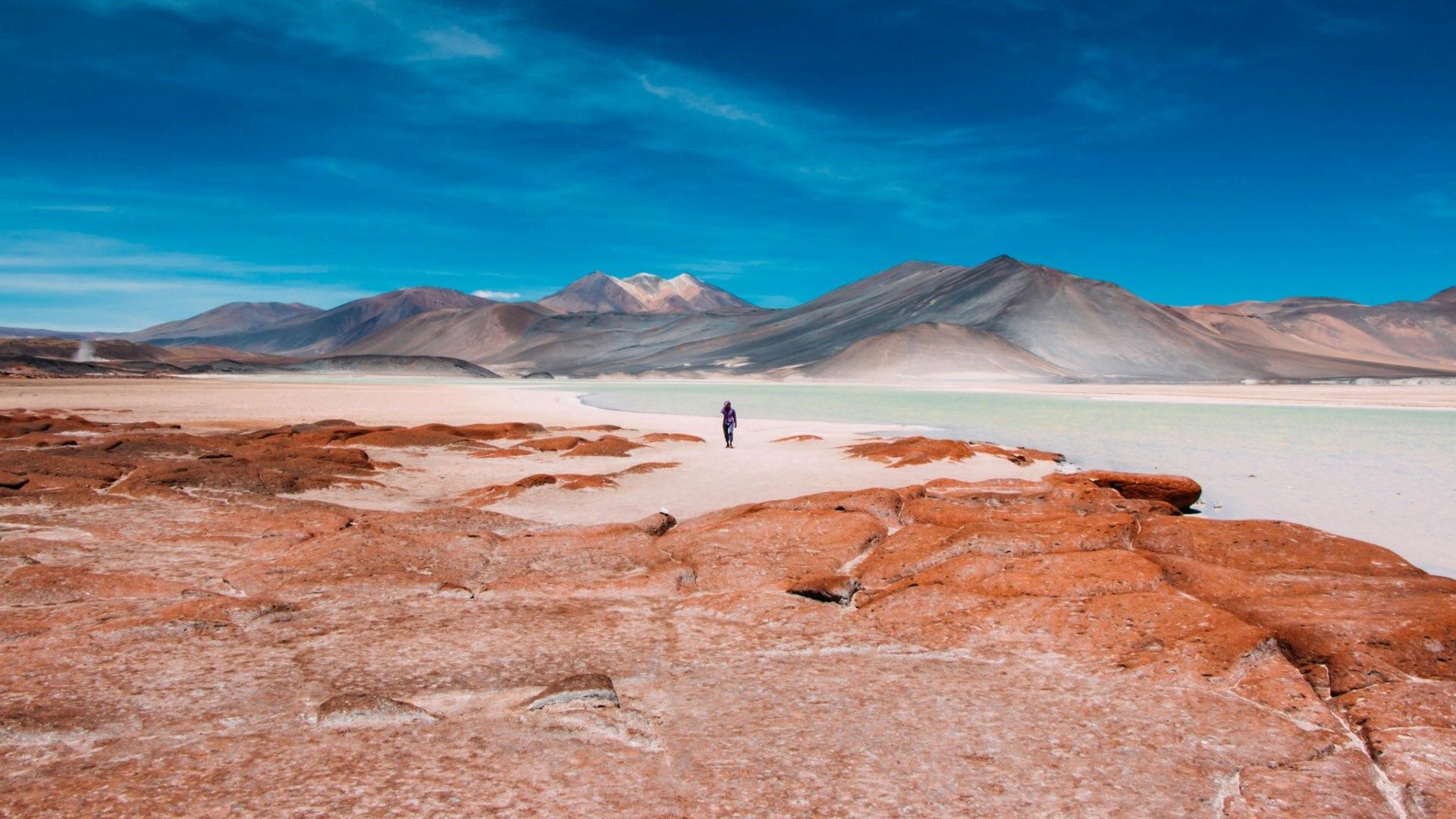
New research uncovers thriving communities of microscopic nematodes beneath the surface of Chile's Atacama Desert, the planet's driest place. An international team discovered that biodiversity rises with increasing moisture and altitude, while asexual reproduction dominates in the harshest zones as a key survival strategy. These findings highlight richer underground life in arid regions than expected, offering insights into how ecosystems may respond to growing global dryness and climate shifts.
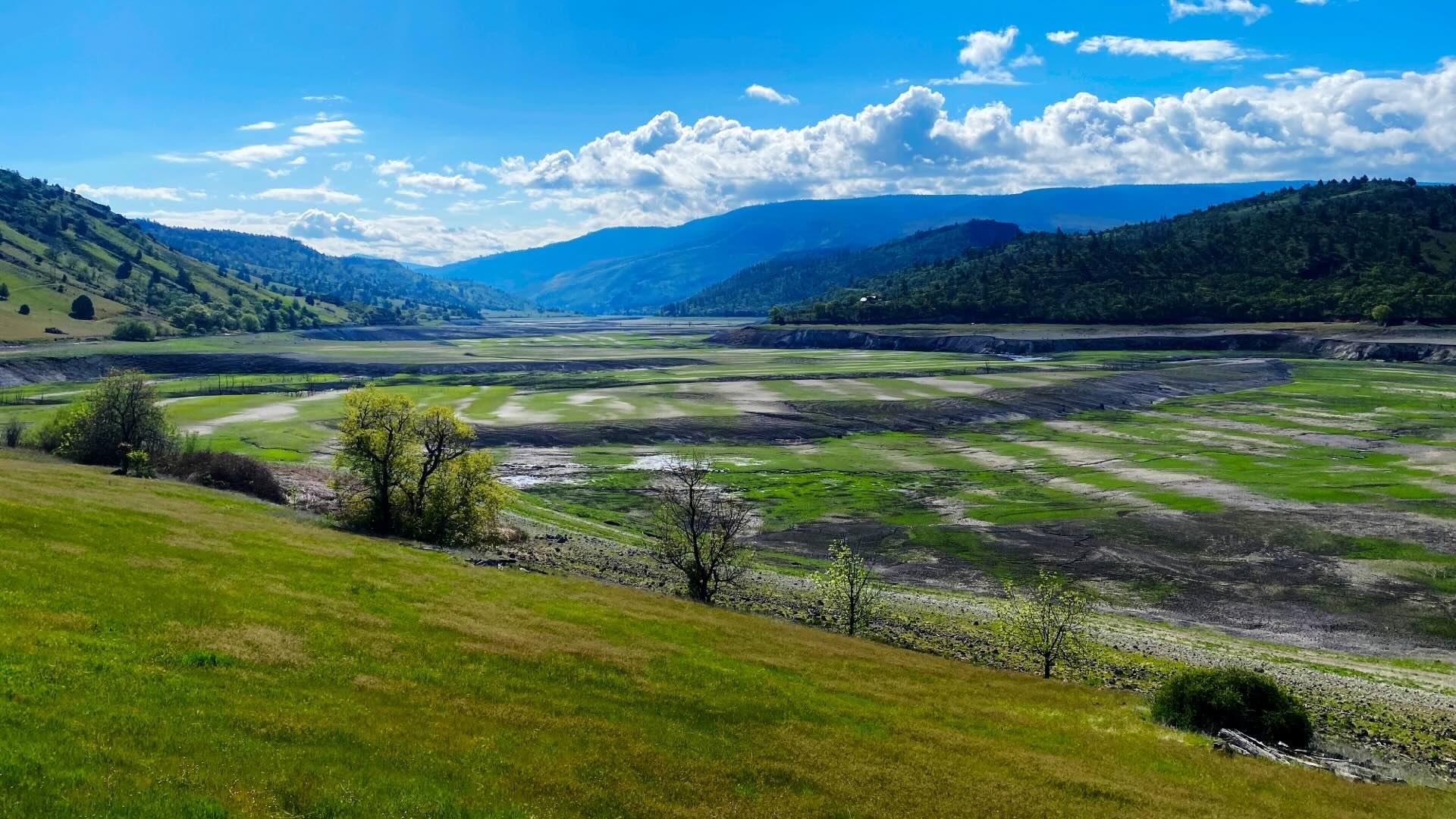
Tommy Williams / NOAA - https://www.fisheries.noaa.gov/feature-story/worlds-biggest-dam-removal-project-open-420-miles-salmon-habitat-fall, Public Domain, https://commons.wikimedia.org/w/index.php?curid=152383972
Two years after the 2024 removal of three Klamath River dams, salmon runs have surged with over 10,000 Chinook counted in fall 2024, reaching long-blocked tributaries for the first time in a century. Crews from Resource Environmental Solutions and Yurok Tribe partners are revegetating 2,200 acres of former reservoirs using billions of native seeds, thousands of trees, and habitat enhancements. Early signs show thriving ecosystems despite challenges such as invasive species and soil issues.
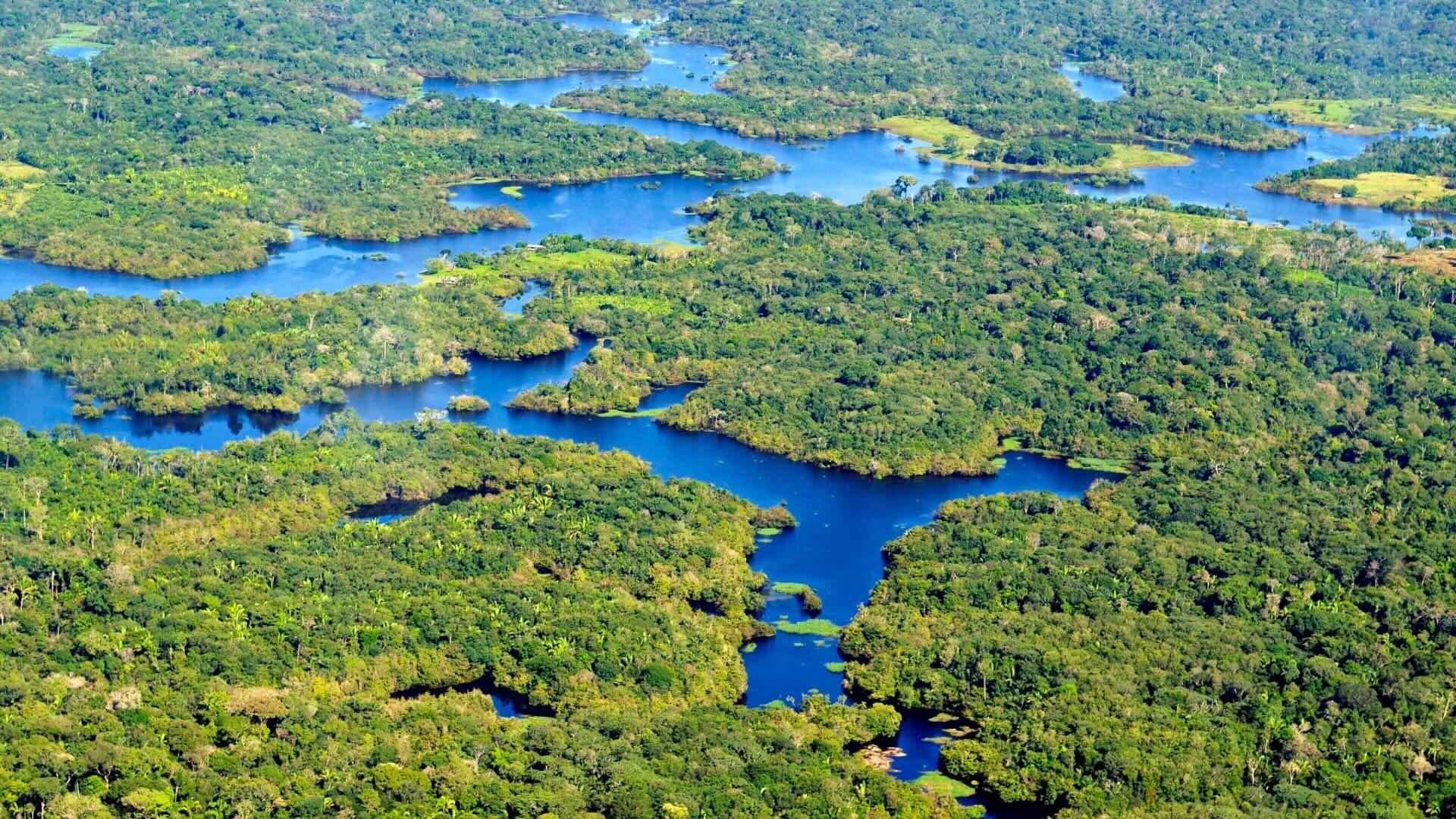
Neil Palmer/CIAT - Flickr, CC BY-SA 2.0, https://commons.wikimedia.org/w/index.php?curid=28394015
In Bolivia, Indigenous communities and local governments have established four new protected areas spanning over 907,000 hectares of Amazon lowlands and Andean highlands. These zones create essential wildlife migration corridors, combat high deforestation from agribusiness and mining, and sustain forest-based livelihoods like Brazil nut harvesting. Supported by conservation partners, the community-led effort strengthens ecological connectivity and advances national biodiversity goals.
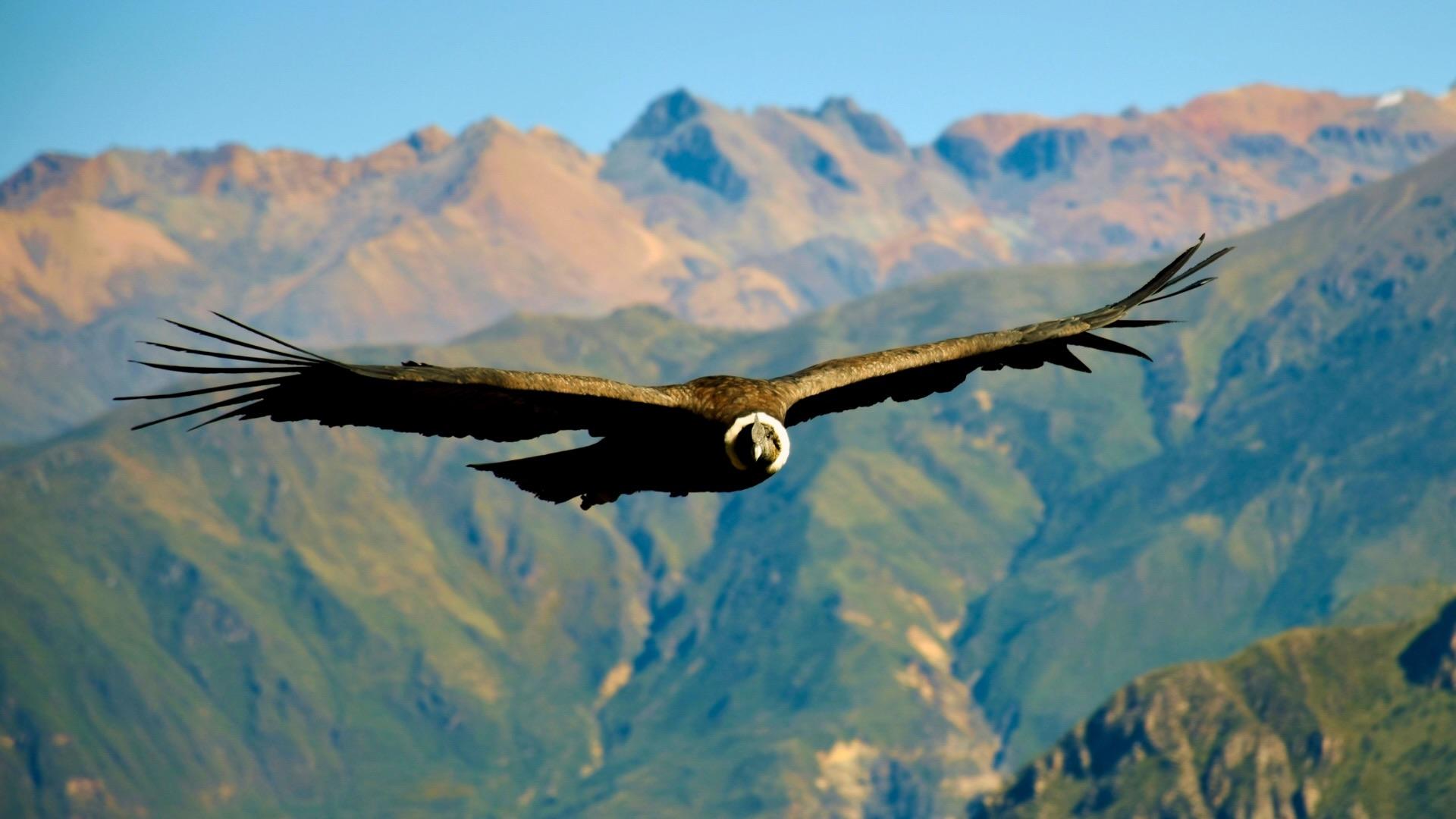
Satellite and radio tracking exposes the secret lives of birds like Andean condors, Siberian cranes, and spoon-billed sandpipers, revealing critical habitats, migration obstacles, and threats from wind farms or light pollution. These insights have sparked protected areas, policy changes, and bird-safe designs. Beyond science, following individual birds' triumphs and struggles fosters deep compassion, viewing them as sentient beings deserving empathy alongside ecosystem protection.
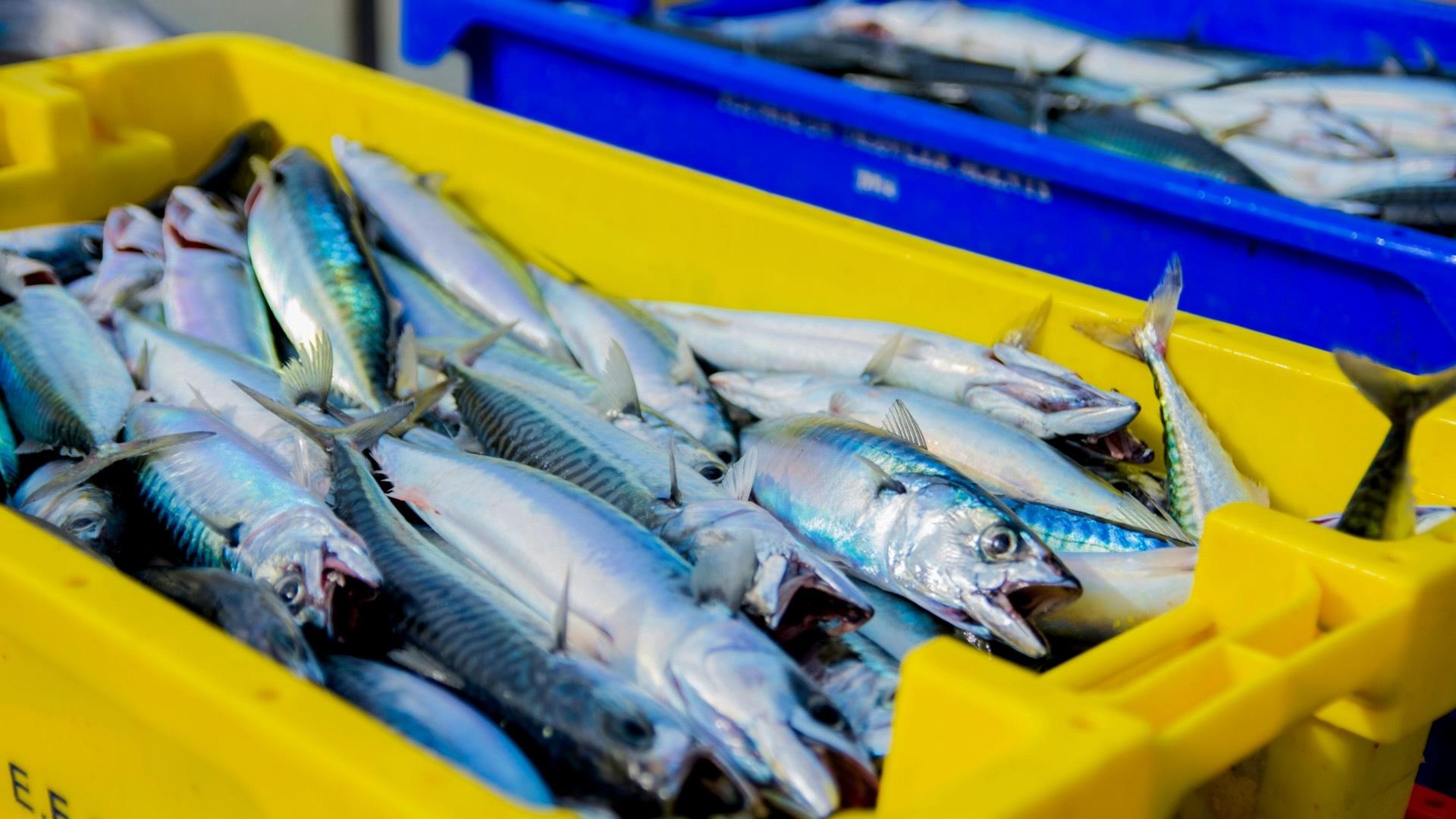
Waitrose has become the first UK supermarket to suspend all mackerel sales, citing severe overfishing in Northeast Atlantic stocks now nearing collapse. Fresh, chilled, frozen, and eventually tinned products will be removed by late April as catch limits still exceed scientific advice despite recent international cuts. The chain urges customers toward sustainable options like herring, sardines, and seabass while conservation groups praise the bold move.