Stories
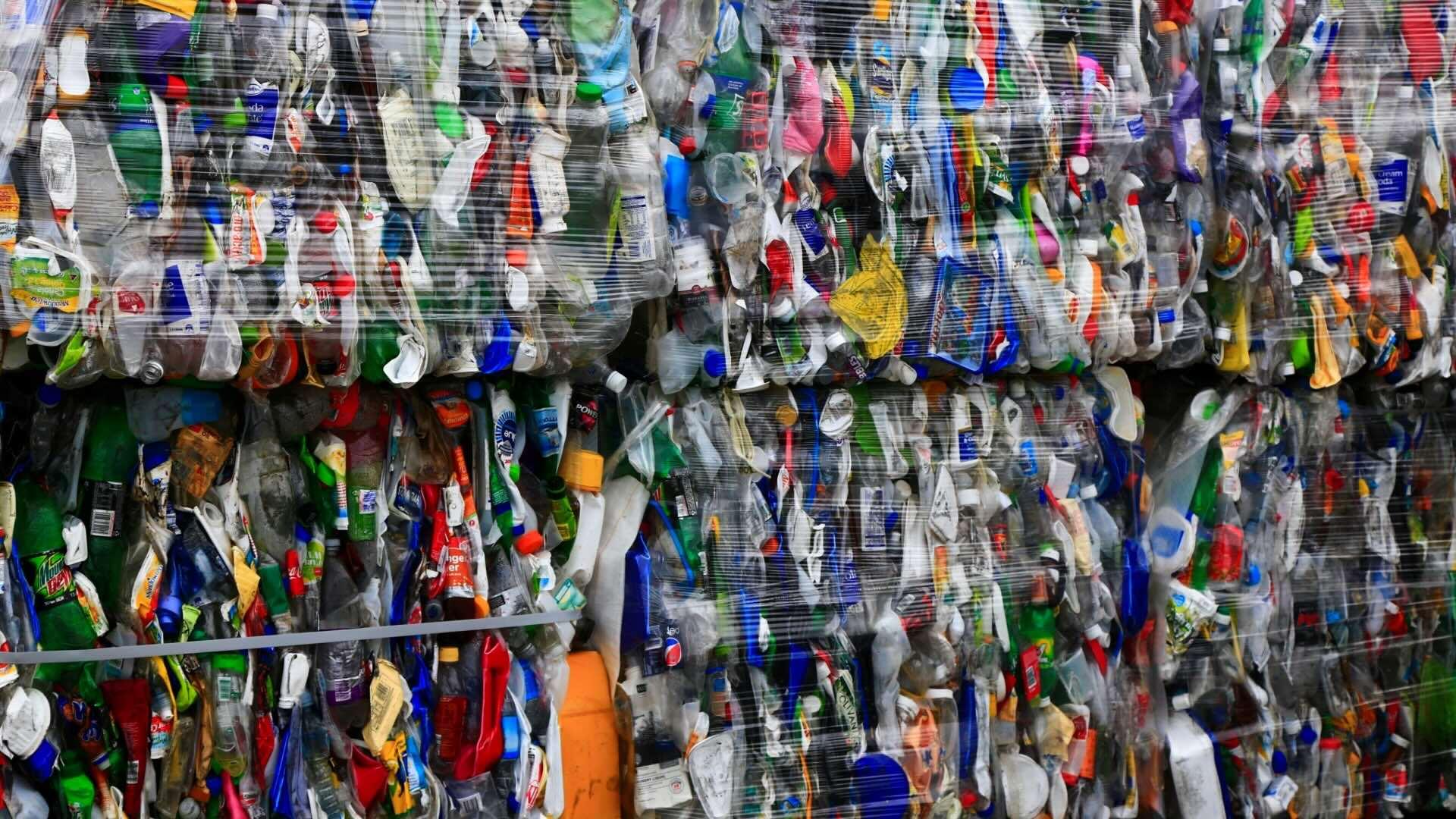
Chemists at Rutgers University have developed a promising new approach to plastics by embedding molecular cutting tools inspired by natural polymers like proteins. These materials stay strong during use but can be programmed to break down cleanly into reusable monomers when triggered by time, UV light, or metal ions like those in seawater. The innovation could reduce persistent pollution and support a more circular economy for plastics.
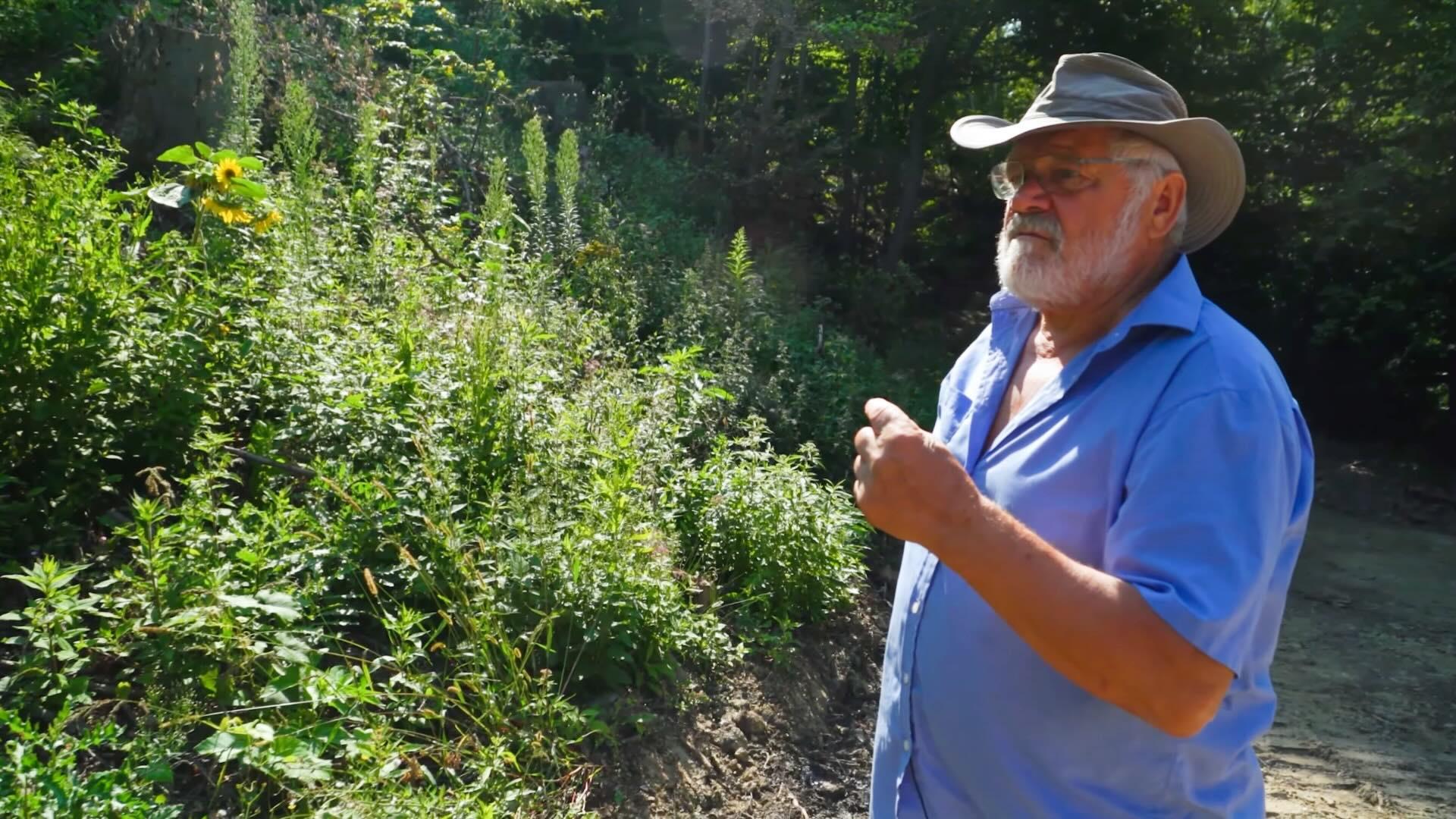
High in the Austrian Alps, Sepp Holzer ignored conventional farming advice and instead tuned into nature's signals. He transformed a rugged, nearly unfarmable mountainside into a vibrant permaculture haven filled with forest gardens, ponds, diverse crops, and wildlife. Known as the rebel farmer, his intuitive methods of water retention and ecosystem harmony have inspired regenerative agriculture worldwide, proving that working with the land rather than against it can restore abundance.
ZUMA Press Inc / Alamy
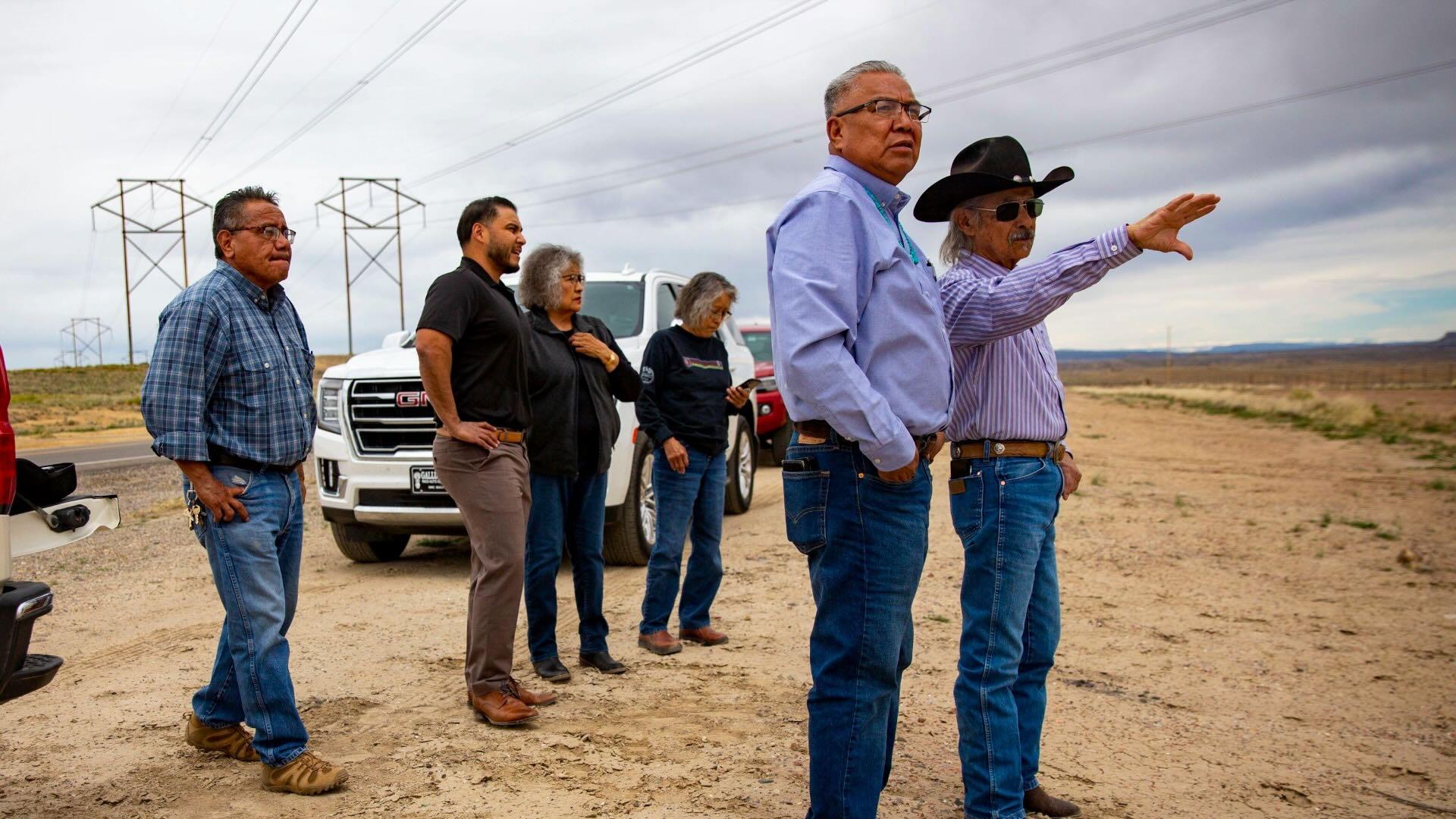
The federal government withdrew about $1.5 billion in clean energy and climate resilience funding for tribal nations, originally allocated under the Inflation Reduction Act, following recent policy shifts. This has worsened energy burdens in Indian Country, where households already face higher costs and vulnerabilities. Yet tribes are resilient, turning to philanthropy, nonprofit support, low-interest loans from community lenders, and strategic grants to keep solar, agrivoltaics, and other projects moving forward.

Illegal wildlife trafficking threatens thousands of species and fuels zoonotic disease risks, yet only a tiny fraction of shipping containers ever gets inspected. Researchers have developed an innovative solution: portable devices extract air from sealed containers, and trained detection dogs analyze the samples with remarkable 98% accuracy, even for hidden big cat pelts. This non-invasive method could transform port screening, disrupt criminal networks, and protect endangered animals more effectively than current approaches.
Gabbro / Alamy
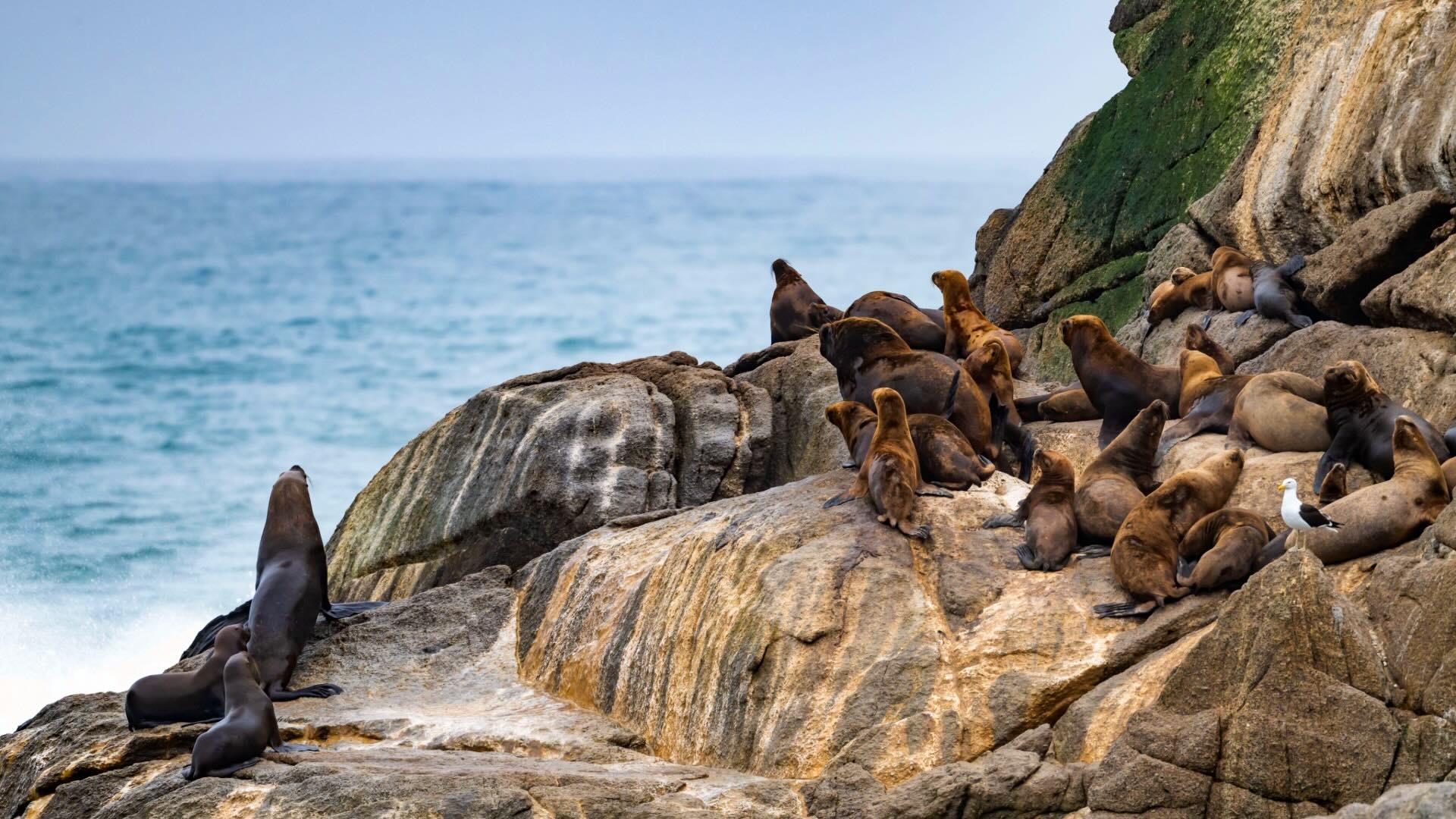
Chile has taken a major step in ocean conservation by fully protecting an additional 360,000 square kilometers of ocean around the Juan Fernández Archipelago and the Nazca-Desventuradas parks. Signed by President Gabriel Boric, this brings the country's total fully protected marine area to nearly one million square kilometers, surpassing 50 percent of its exclusive economic zone. The move safeguards rich biodiversity and supports global goals to protect 30 percent of the ocean by 2030.
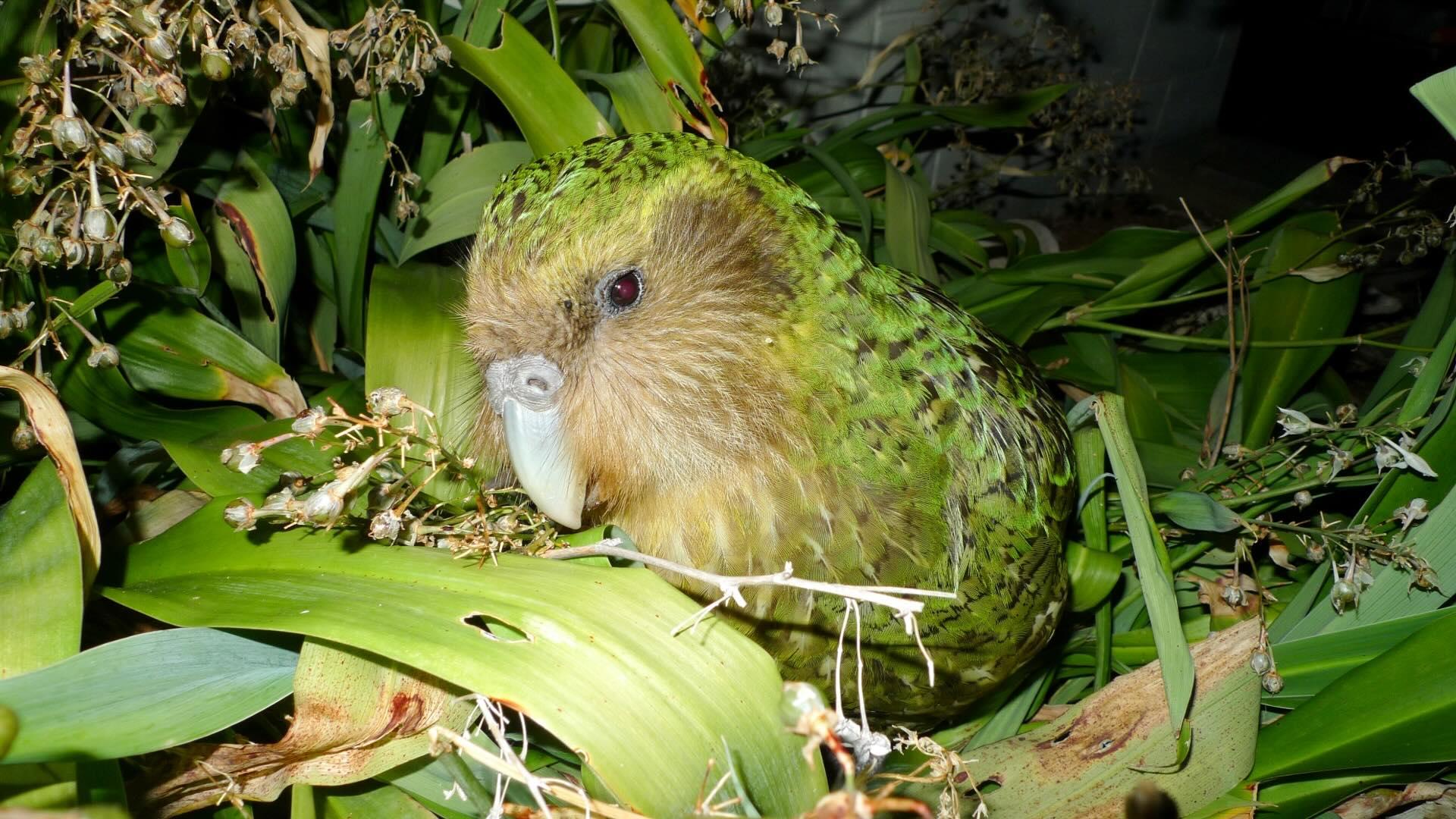
New Zealand's critically endangered kākāpō parrots have had one of their best breeding seasons in recent memory, with 59 healthy chicks hatching so far after a four-year gap. Triggered by abundant rimu fruit crops, the effort produced 140 fertile eggs from a population of 236 adults living on predator-free islands. Conservation teams monitor every step, offering renewed optimism for this unique flightless bird's long-term recovery.
Alan Bramley / Alamy
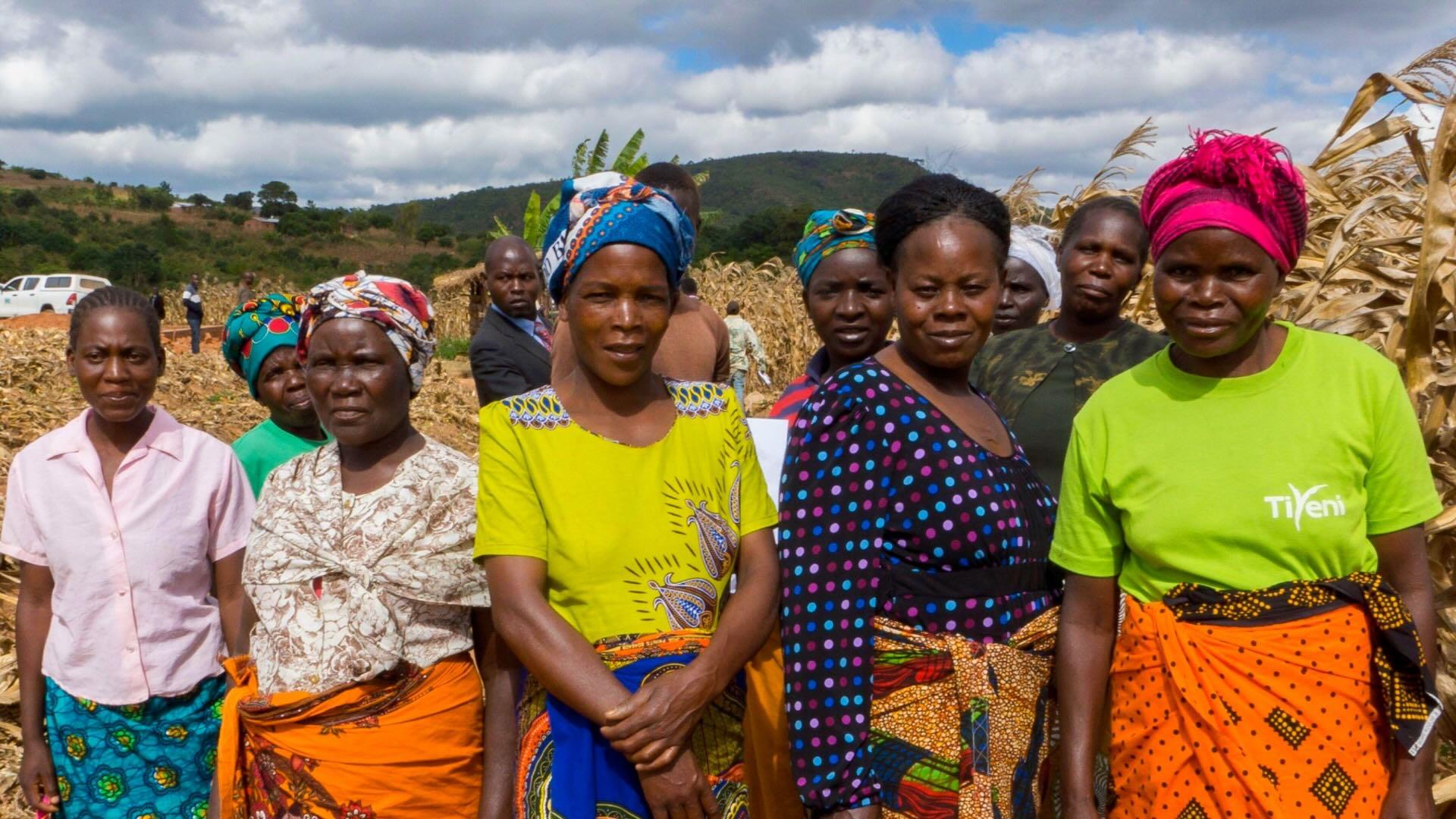
In Malawi, erratic rains and expensive chemical fertilizers have degraded soils and deepened food insecurity for millions. Smallholder farmers are now turning to agroecological practices such as composting, intercropping, crop rotation, and local seed preservation. These methods rebuild soil health, cut fertilizer costs, increase yields, and provide surplus for sale. Local training programs and government support show a promising path to more resilient livelihoods.
Joerg Boethling / Alamy
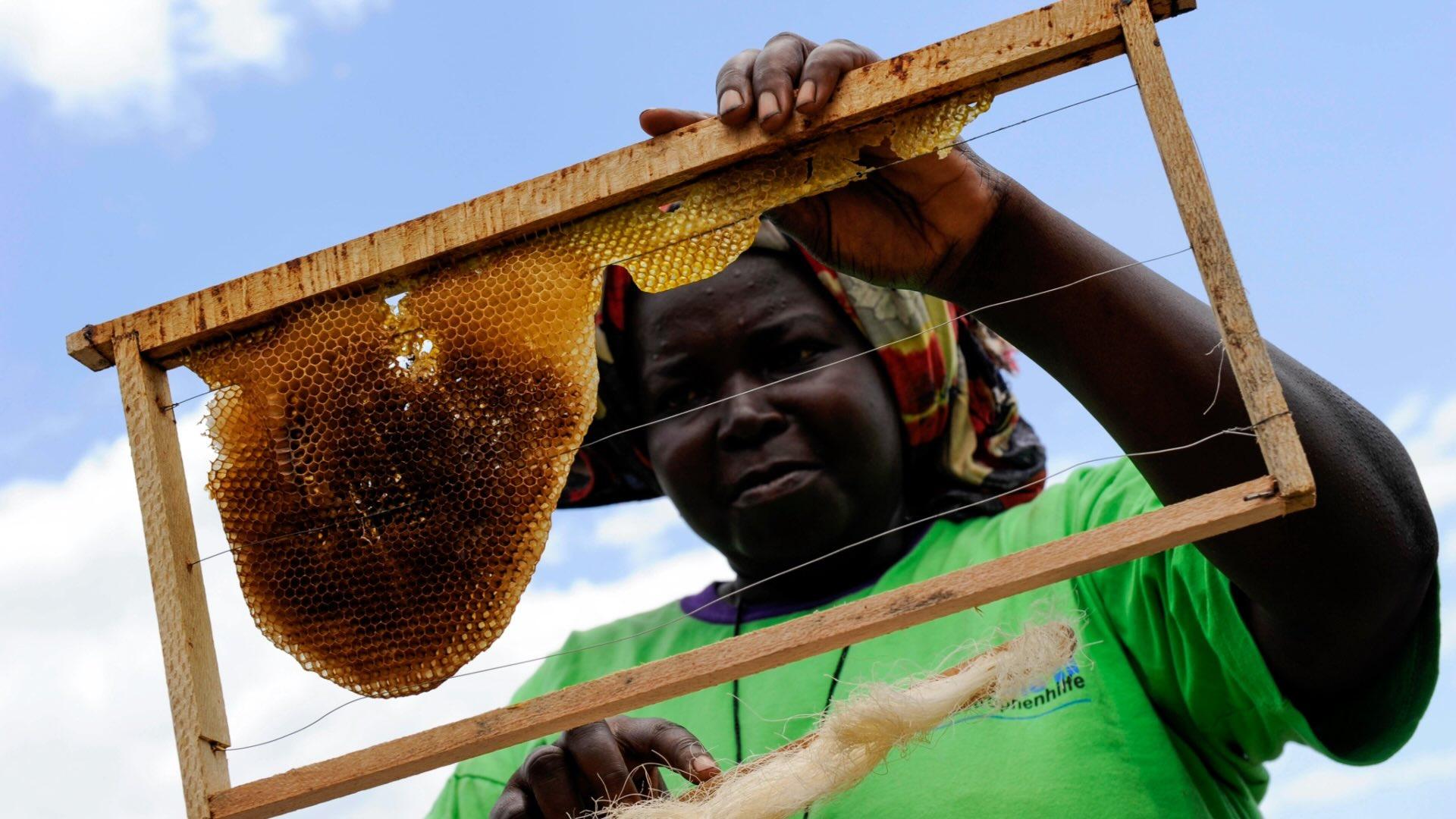
In Kenya's Amboseli region, women are transforming their lives through the CARE-WWF Alliance's Sowing Change program. They develop sustainable businesses like beekeeping and rangeland restoration, earning income for families while combating climate challenges and reducing human-wildlife conflict. Stories from young entrepreneurs widows and mothers show how these nature-based opportunities bring economic security personal purpose and stronger communities proving that empowering women benefits both people and the planet.
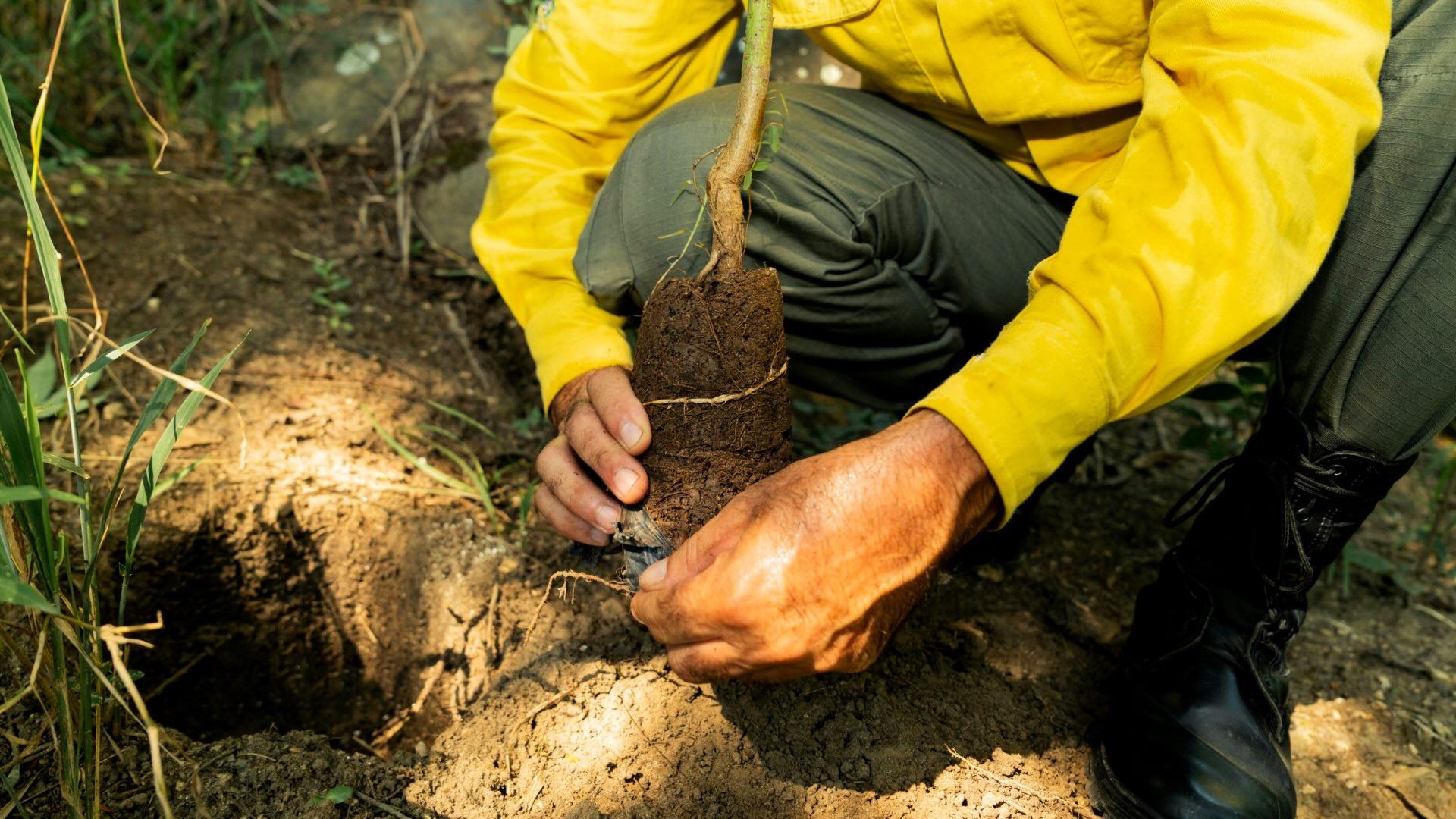
A recent study maps global opportunities for afforestation and reforestation, highlighting areas where planting trees can effectively sequester carbon while supporting biodiversity. Tropical moist broadleaf forests stand out as prime locations for mutual gains, but grasslands, savannas, and shrublands pose serious risks of harming native species. Researchers stress careful, biome-specific planning with native trees to avoid well-intentioned efforts that backfire.
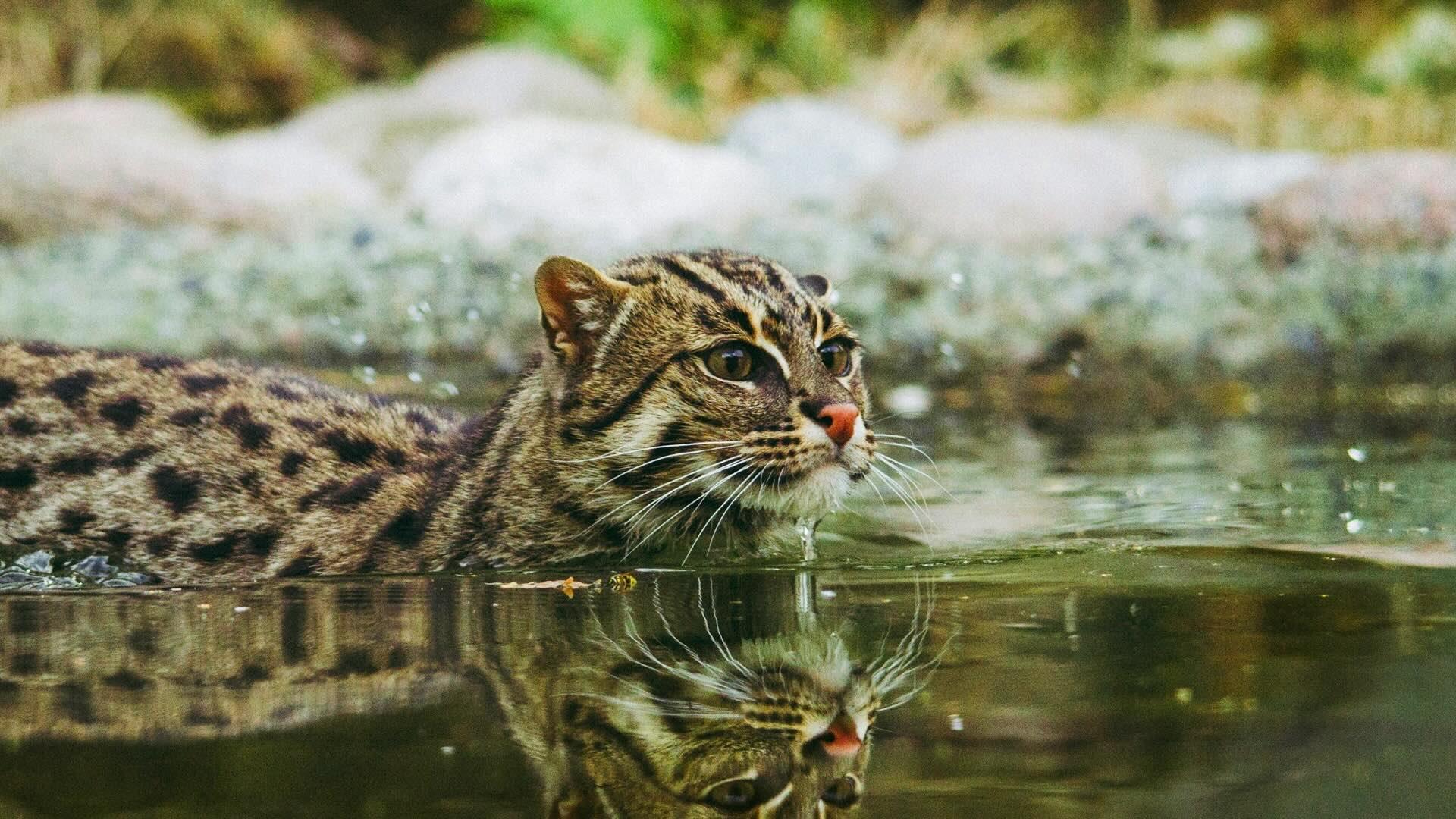
The rare fishing cat, an elusive predator absent for decades, has been captured on camera dozens of times in Cambodia's Tonle Sap flooded forests. This exciting return follows 15 years of dedicated restoration by Conservation International, the Cambodian government, and local communities. They replanted native trees, cleared invasive species, and protected over 1,000 hectares of wetland from overfishing, pollution, and fires. The sighting shows the ecosystem is healing and supporting vital wildlife once more.
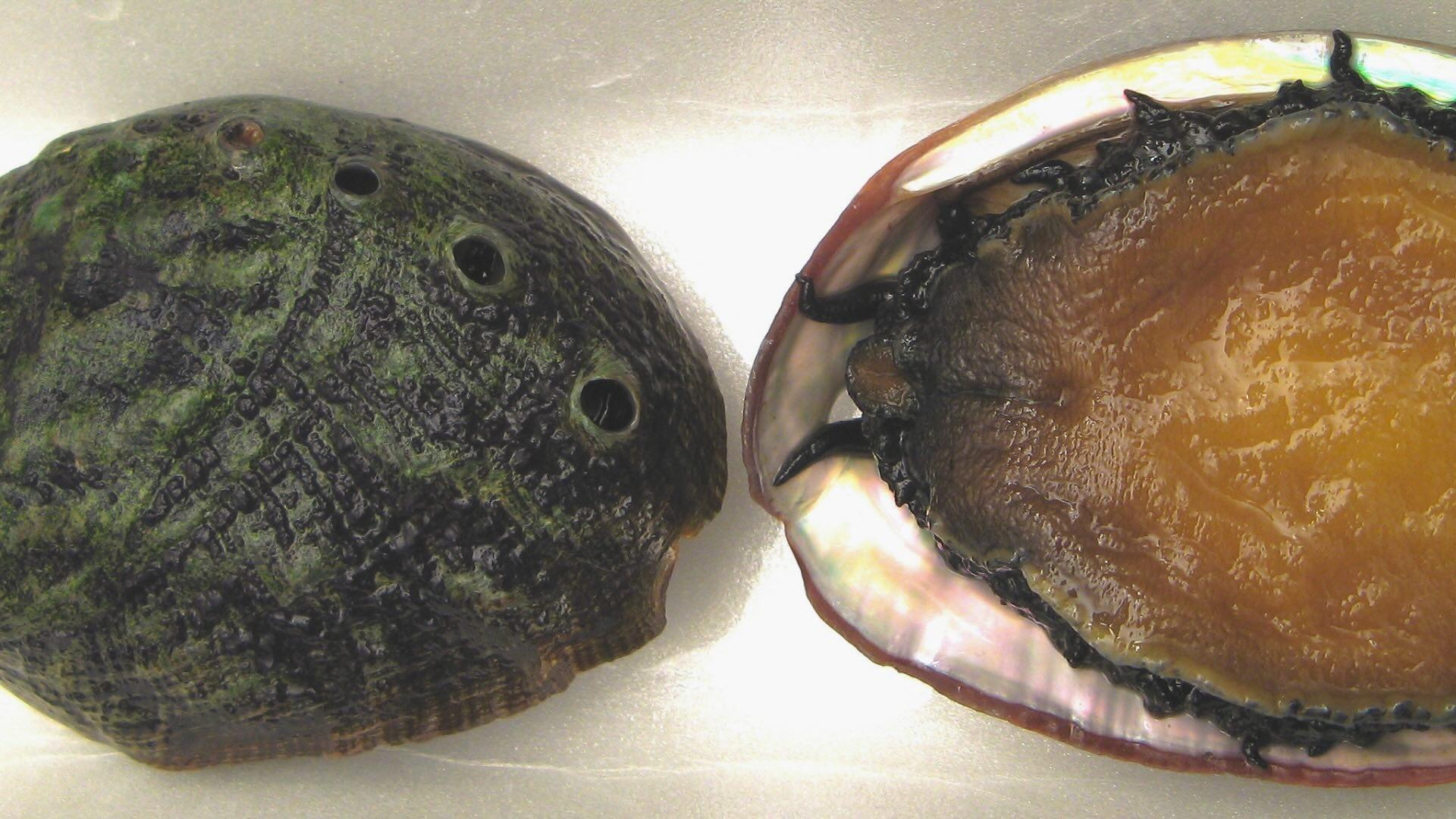
Once plentiful along California's coast, white abalone nearly disappeared due to overfishing and disease, dropping to just 1 percent of historical numbers. Now, a dedicated team at UC Davis's Bodega Marine Laboratory has turned the tide through careful captive breeding and releases. Over 20,000 have been reintroduced, boosting populations tenfold despite challenges like funding threats and kelp loss. The effort offers real hope for restoring this iconic marine snail.
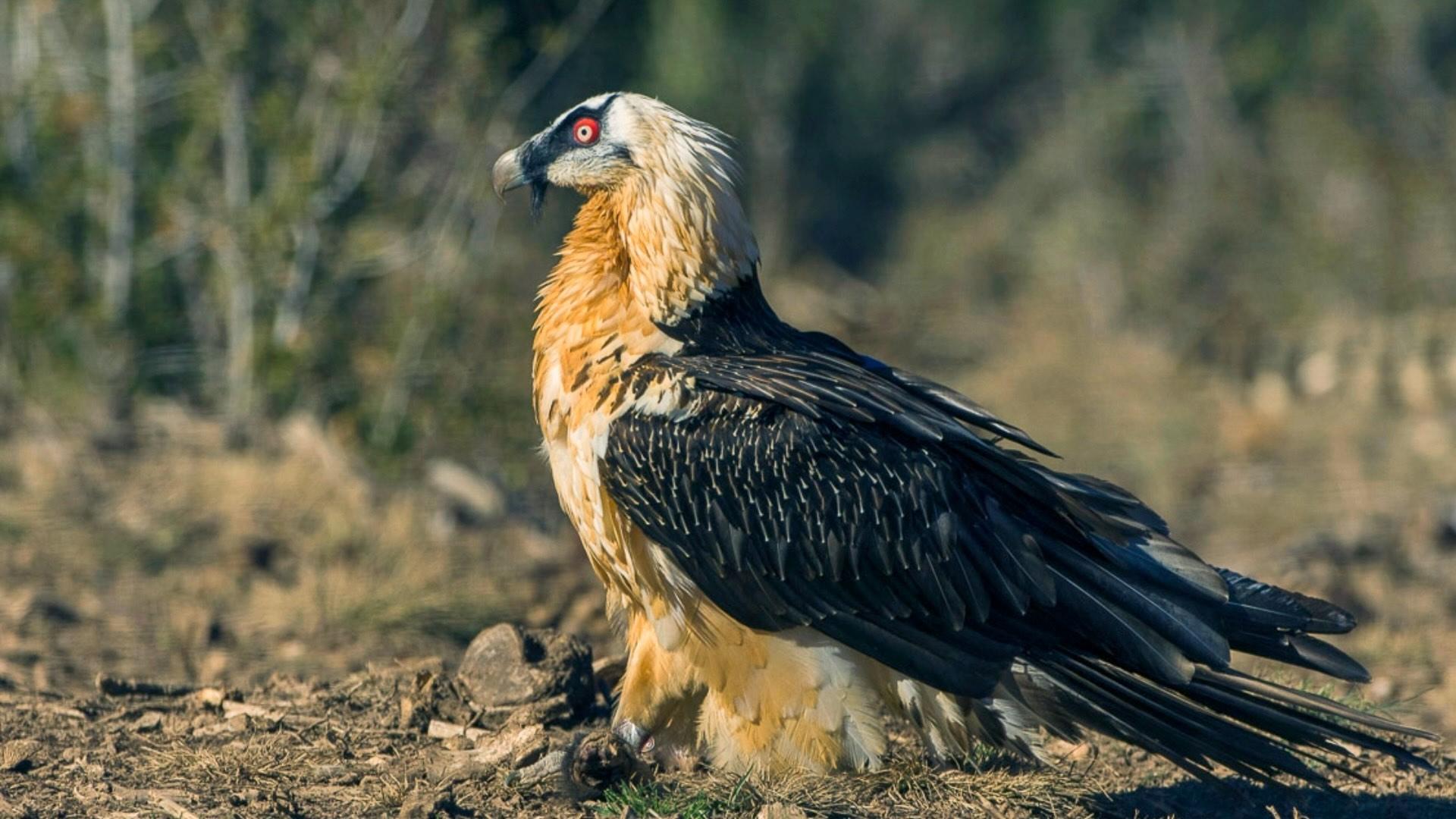
Bearded vultures vanished from the Alps by the early 1900s due to hunting and false fears that they preyed on livestock. Starting in 1986, conservationists released over 260 captive-bred birds across Austria, France, Switzerland, Italy, and Germany. Now self-sustaining with 118 breeding pairs in 2025, the population thrives thanks to legal protections, abundant prey, and dedicated efforts.