Stories
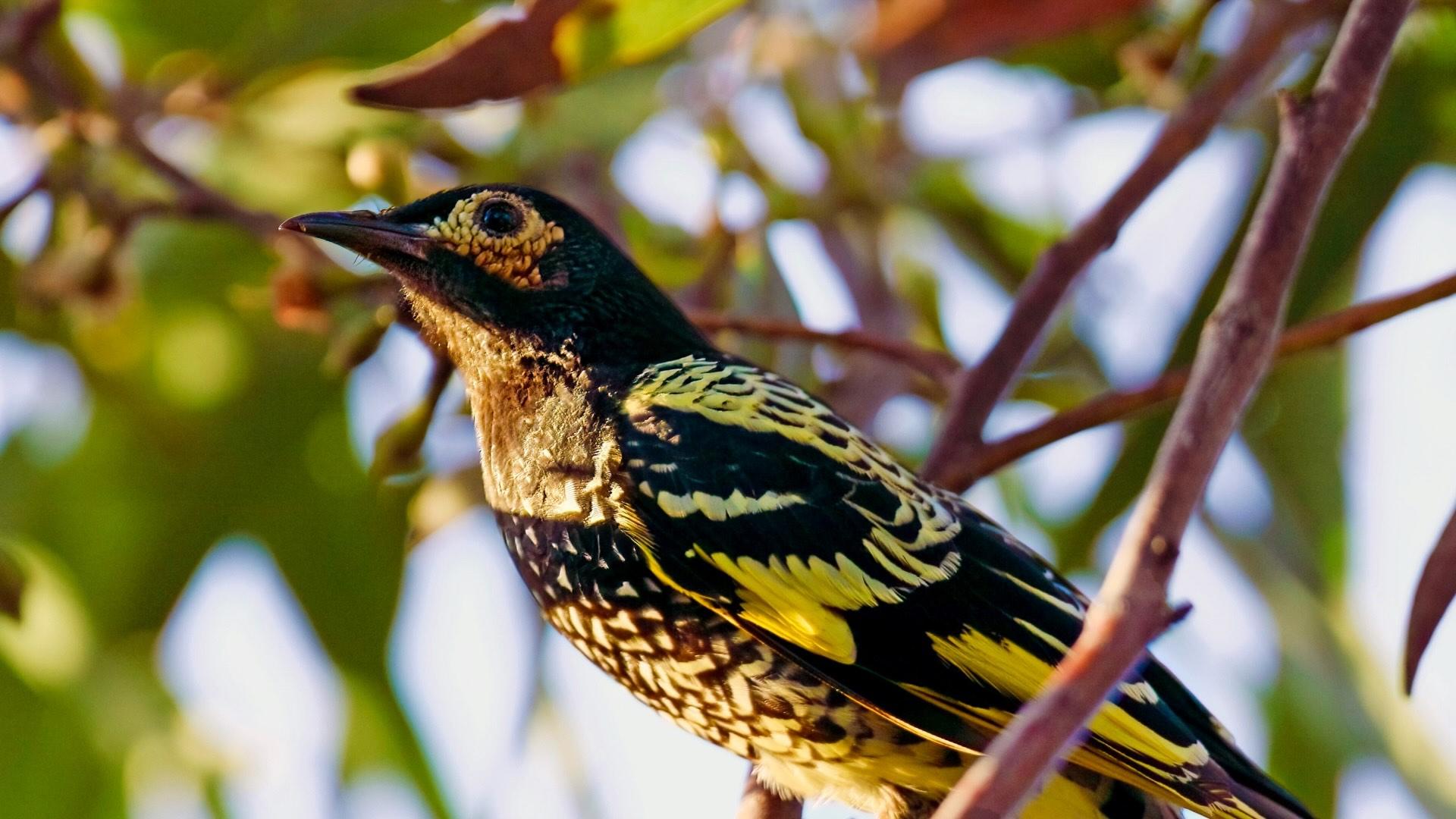
Researchers at Taronga Zoo have rescued the complex traditional song of the critically endangered regent honeyeater, now reduced to fewer than 250 birds in the wild, and simplified it in recent years. By pairing young zoo-bred males with wild-born adult tutors in small groups, they successfully taught the full original melody, which had vanished from wild populations. This breakthrough could improve mating success and help rebuild self-sustaining numbers.
Researchers have uncovered how the unassuming hornwort plant builds tiny CO2-concentrating compartments to make its photosynthesis enzyme far more effective. By identifying a key protein, they successfully recreated these structures in other plants, a step toward engineering crops like wheat and rice for higher yields. This could slash fertilizer needs, cut water use, and help farming adapt to warmer climates.
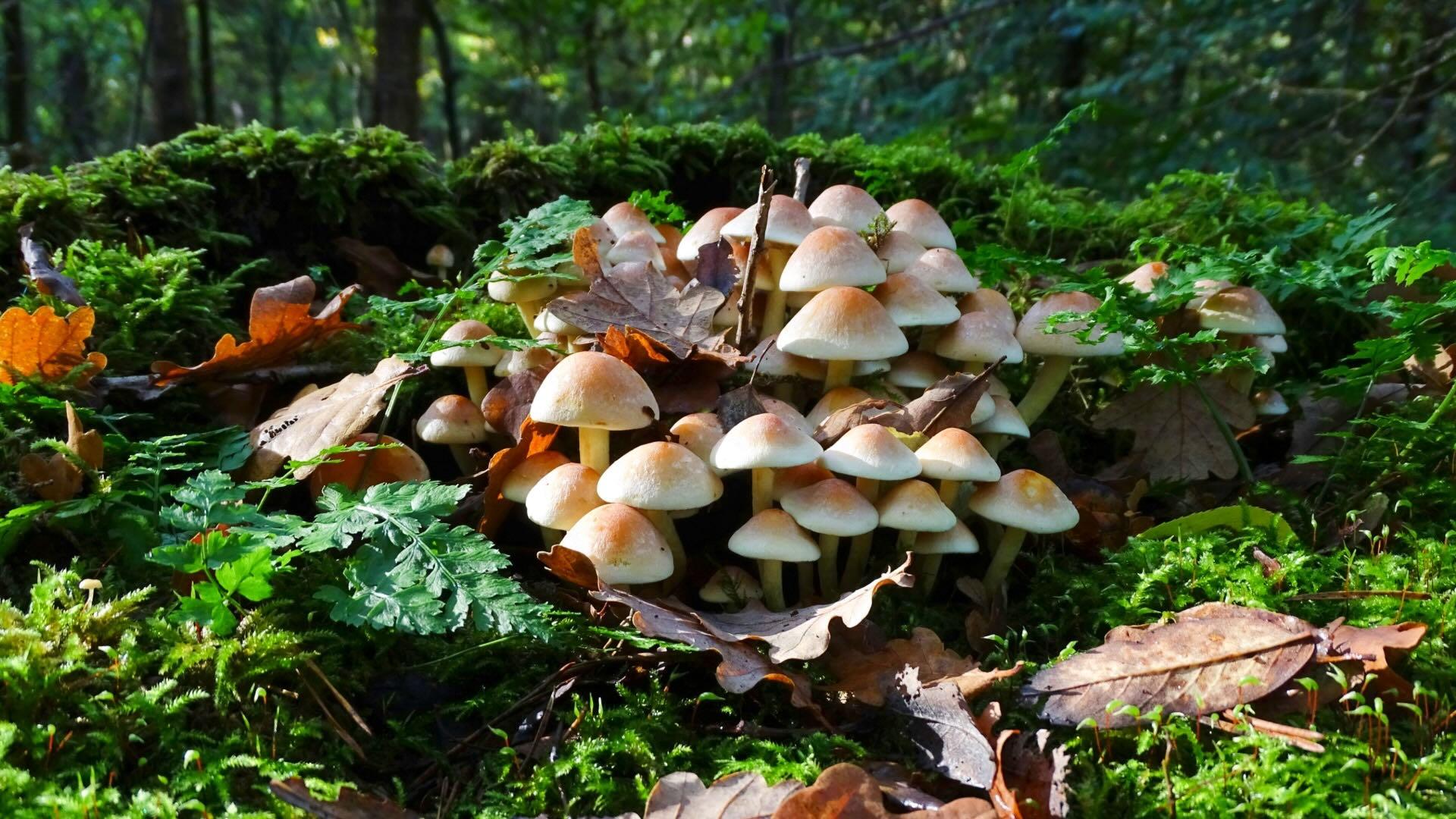
Fungi form the hidden backbone of life on land, building soil, connecting plant roots through vast mycorrhizal networks, and sequestering massive amounts of carbon each year. Despite their critical ecological roles and enormous economic value, most species remain unknown and unprotected. A growing movement among mycologists now seeks to elevate the fungal kingdom to the same conservation priority as plants and animals, highlighting their indispensable contributions to biodiversity and climate.

A new analysis shows that London, San Francisco, Beijing, and 16 other cities have cut levels of dangerous PM2.5 and NO2 pollutants by more than 20 percent since 2010, with some seeing reductions up to 45 percent. Policies such as expanded cycle lanes, electric-vehicle adoption, and vehicle restrictions drove these gains. The findings prove bold action can deliver cleaner air and better health in a little over a decade.
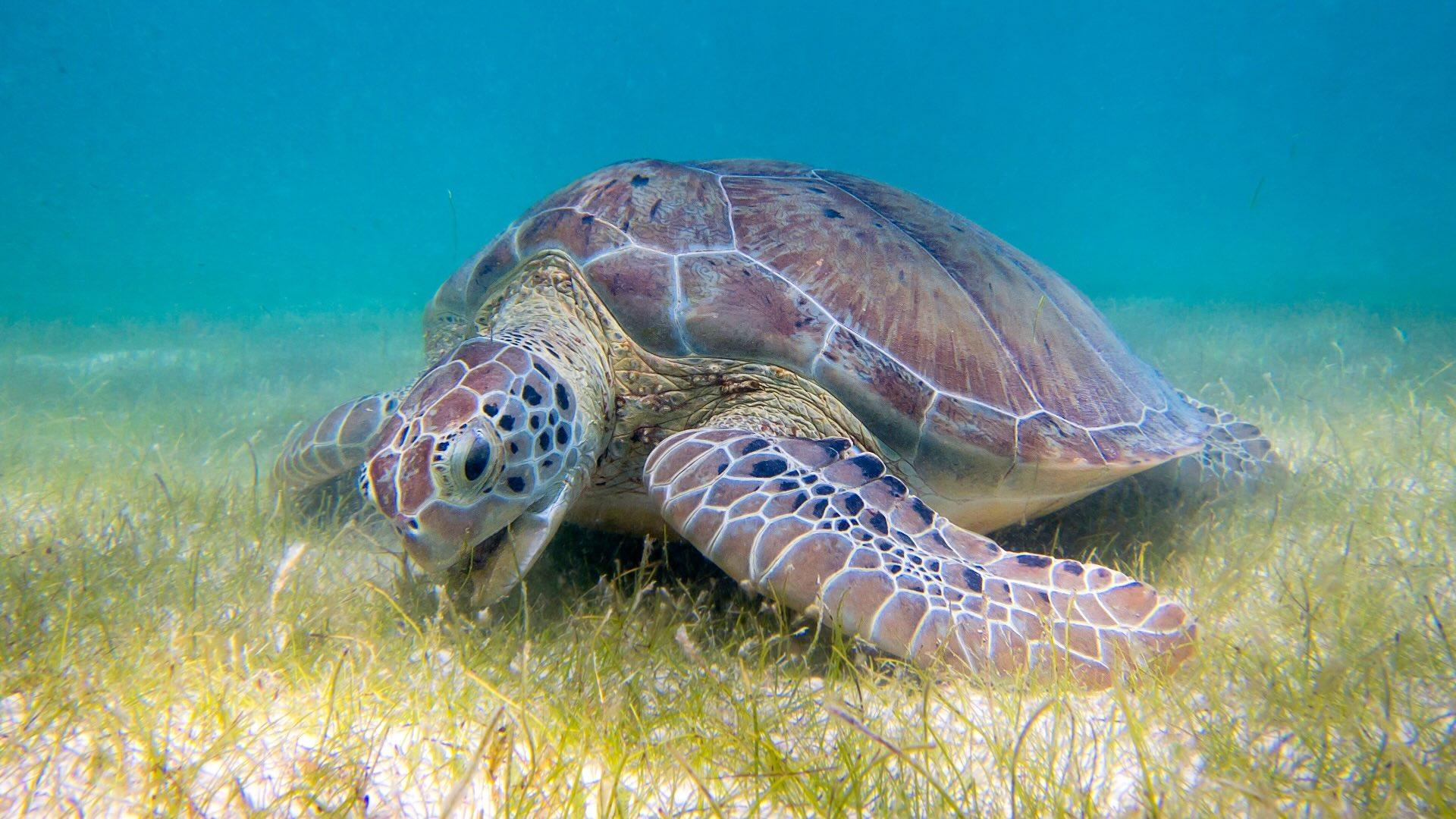
Seagrass meadows, often overlooked compared to coral reefs, form natural barriers that dampen powerful waves, stabilize sediments, and curb coastal erosion as climate change intensifies storms and sea-level rise. These underwater ecosystems also excel at capturing carbon, filtering pollutants, and supporting marine life from dugongs to fish. Despite facing pollution, development, and heat waves that trigger massive die-offs, experts argue that conserving and restoring them provides an essential nature-based defense for vulnerable shorelines everywhere.
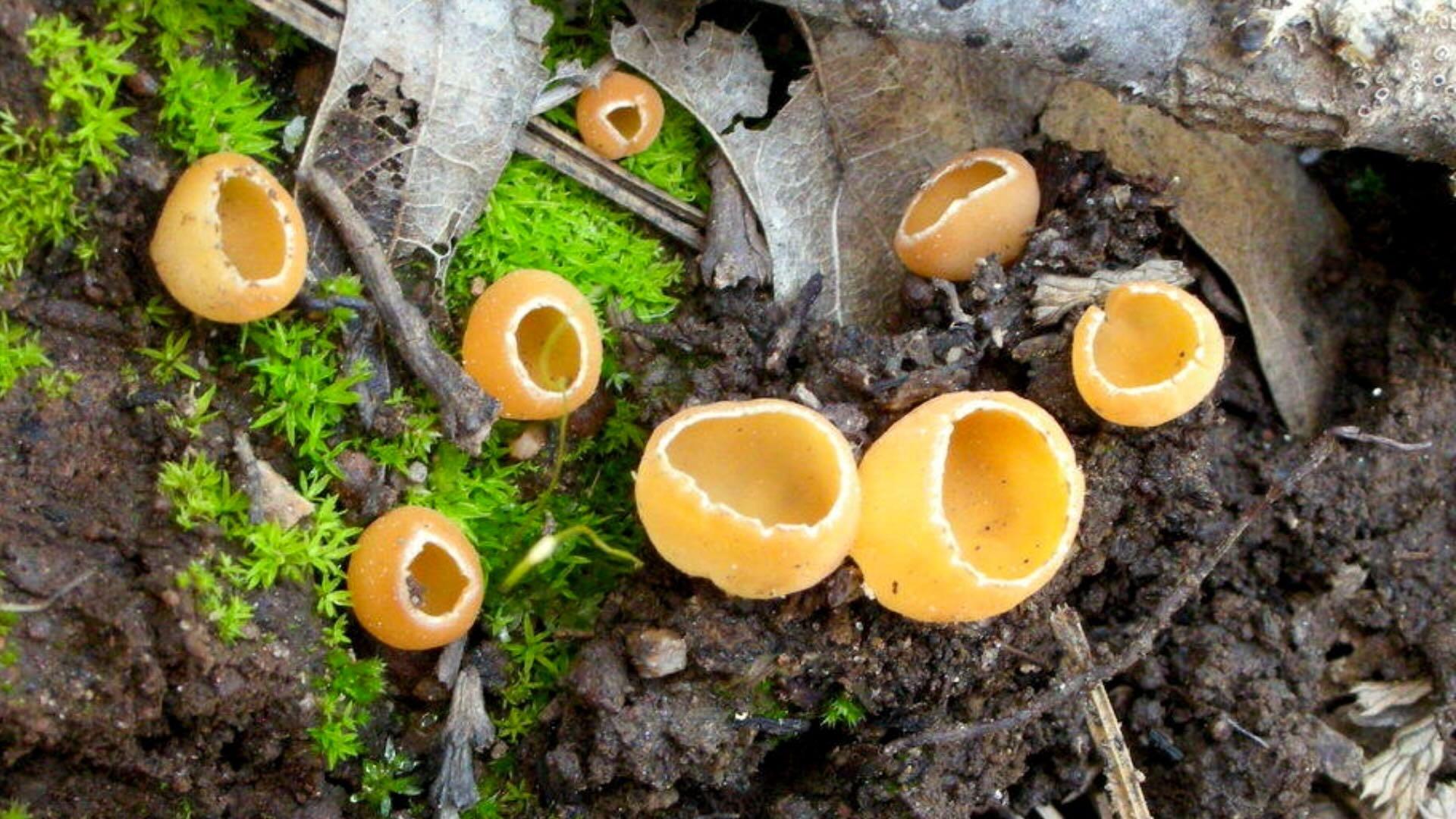
After wildfires leave landscapes charred and lifeless, pyrophilous fungi quickly appear, carpeting the ground in vibrant cups of orange, pink, and mauve. These overlooked organisms break down toxic charcoal, restart nutrient cycles, stabilize erosion-prone soil with their networks, and set the stage for plants and animals to return. New research reveals how they thrive where little else can, offering fresh insights into forest regeneration.
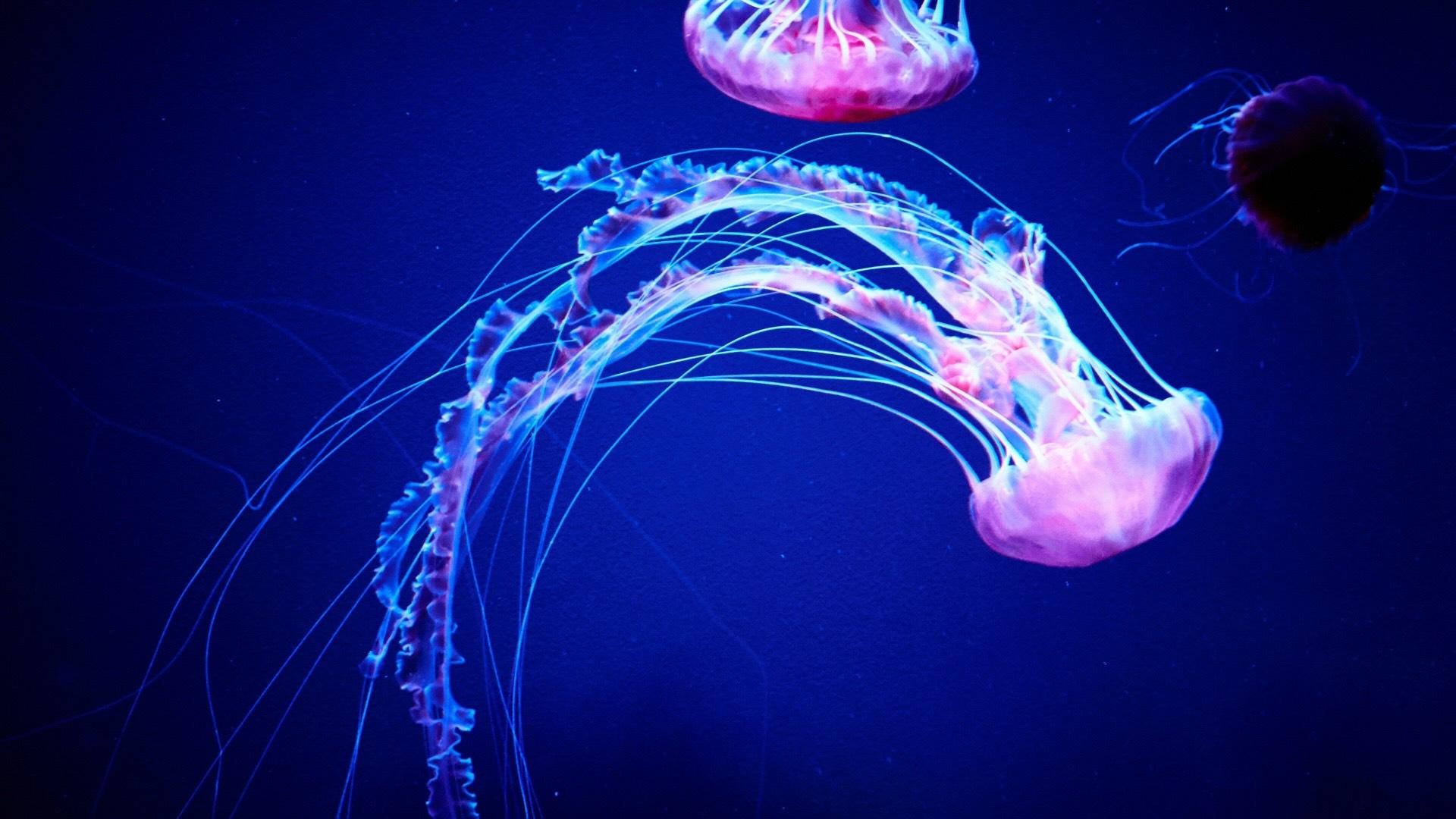
Marine biologist Edie Widder has spent decades illuminating the ocean's darkest depths through her groundbreaking work on bioluminescence. The new documentary "A Life Illuminated" follows her career highlights, from inventing deep-sea cameras to filming the elusive giant squid, and her latest expedition to capture the stunning "flashback" phenomenon. It reveals a thriving, light-filled world below the surface that challenges our view of empty oceans.
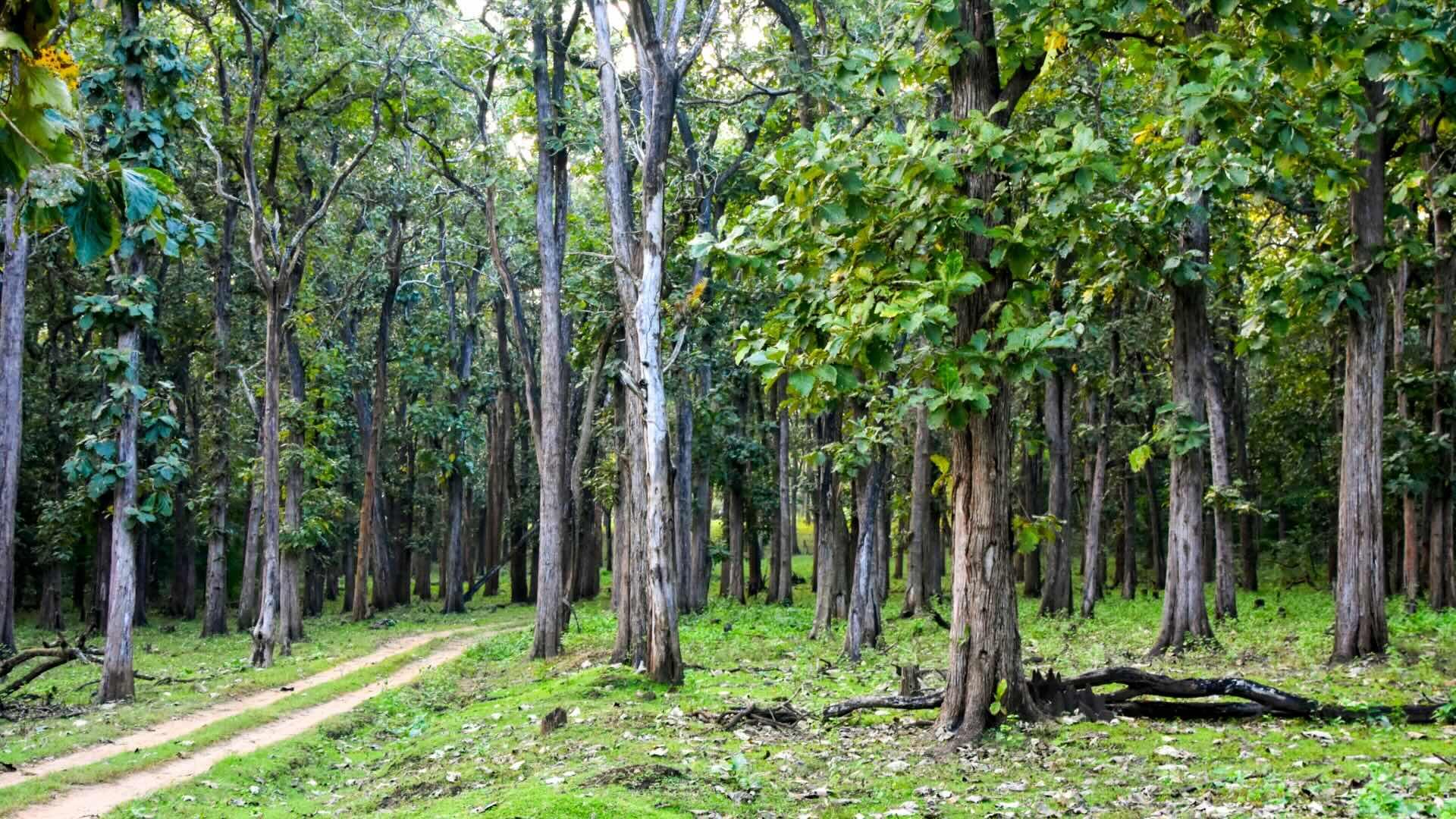
For generations, the Jenu Kuruba people lived in harmony with the forests of Nagarhole National Park, gathering honey and coexisting with tigers. Forced evictions starting in the 1980s displaced thousands under wildlife conservation policies. In 2025, families returned to reclaim their ancestral land, building shelters despite demolitions and legal battles. Supported by the Forest Rights Act yet facing ongoing opposition, they continue their determined occupation.
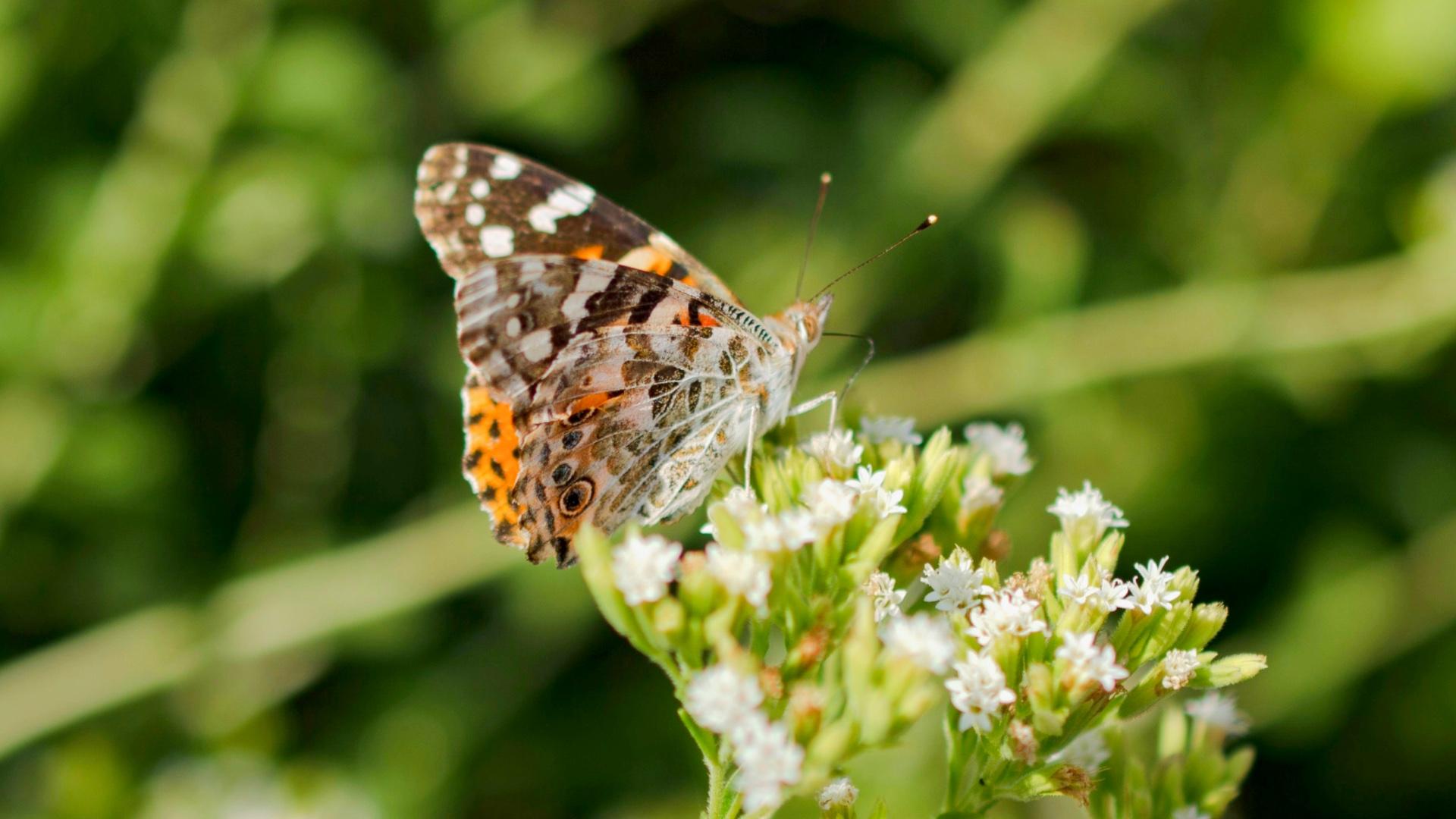
28 years ago, a plant ecologist and her husband began restoring a neglected four-acre lot in south Phoenix, planting desert and riparian species on rich soil. What started as trial-and-error gardening evolved into a vibrant young forest teeming with velvet mesquite trees and diverse wildlife, including 162 bird species, butterflies, bees, and even occasional bobcats. Their urban oasis now offers lessons in biodiversity, joy, and resilience against heat, proving small-scale rewilding can reconnect people with nature.
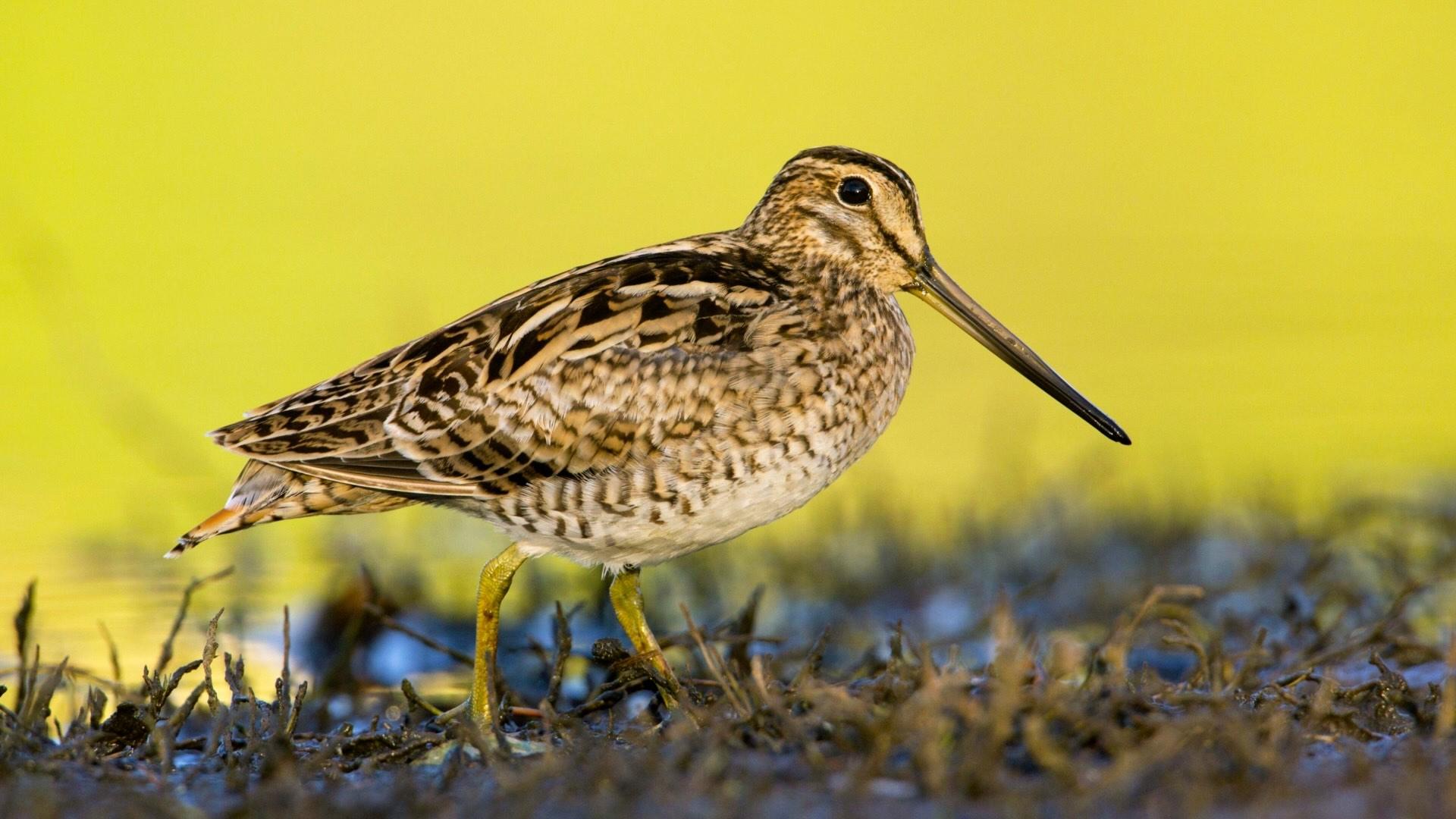
imageBROKER.com / Alamy
Trail cameras on Truwana, also known as Cape Barren Island off Tasmania's north coast, have delivered exciting discoveries during the first-ever survey of its kind. The images show rare blond echidnas with pale colouring from leucism, a tiny white-footed dunnart documented on the island for the first time, and even a threatened migratory bird. Indigenous Truwana Rangers, working with partners, credit ongoing feral cat control and strong habitat management for revealing this healthy ecosystem.
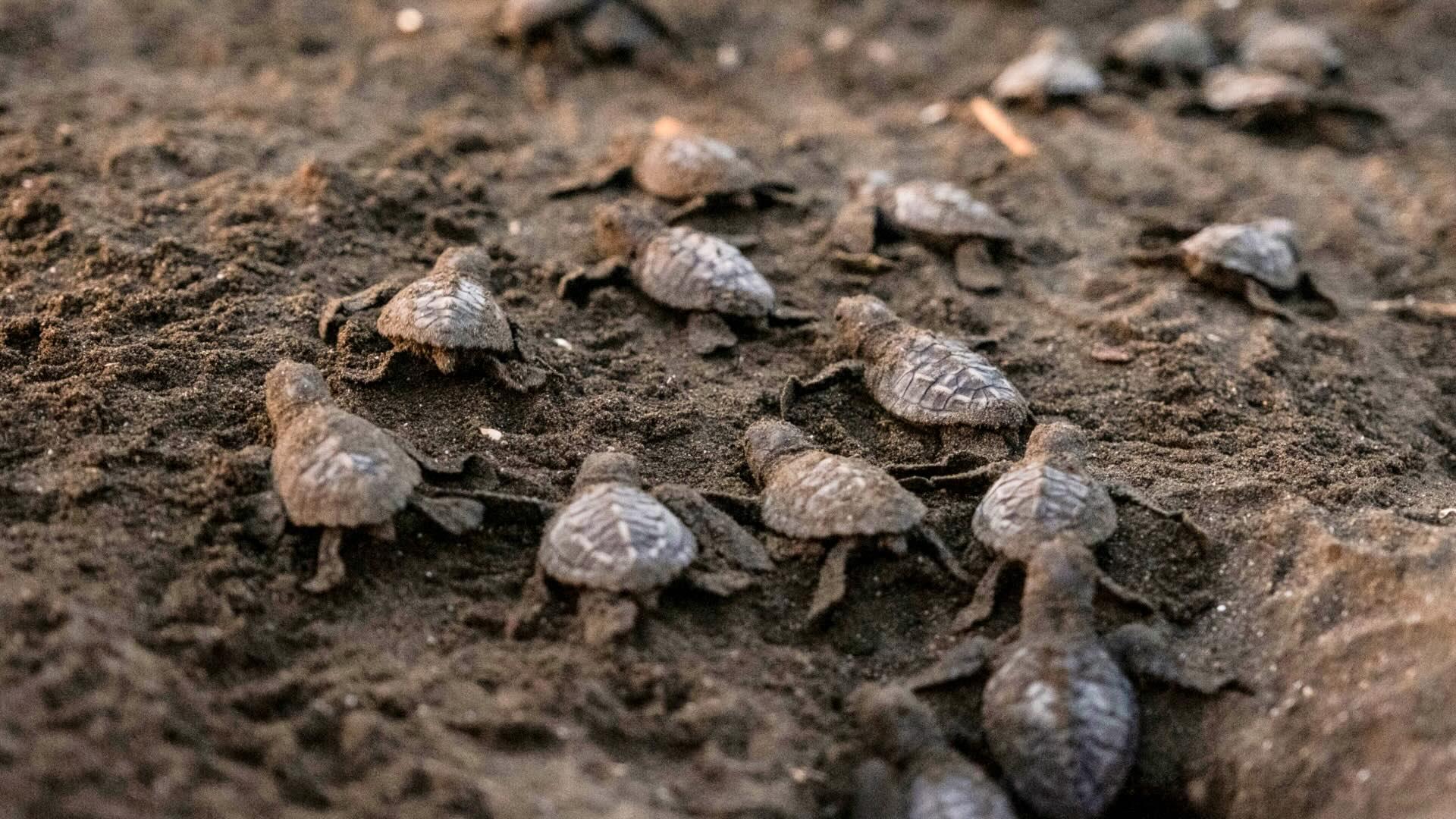
On Bananal Island in Tocantins, Brazil, the Ãwa Indigenous people are driving environmental restoration with support from ACT-Brasil. They have established the Kawú Nursery to grow and plant over 800 native seedlings, protect turtle hatchlings, and expand community gardens for food security. These efforts blend traditional knowledge with hands-on action to heal forests, safeguard wildlife, and strengthen territorial autonomy for future generations.
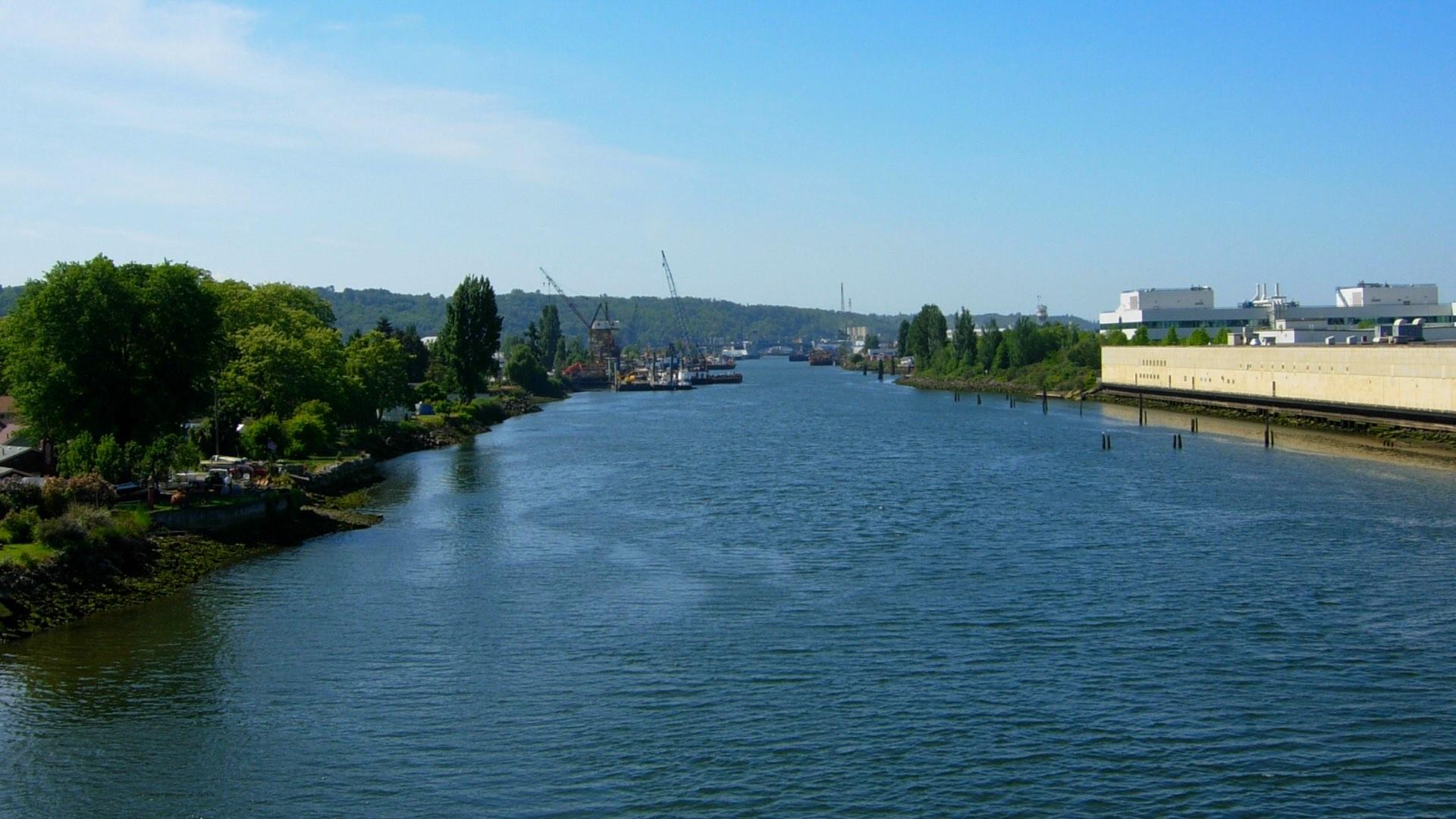
After more than a century of heavy industrial pollution and channelization, Seattle's only river, the Duwamish, is showing signs of recovery thanks to persistent community advocacy and targeted restoration projects. Salmon are returning to restored habitats, native plants are taking root, and a former toxic site has become the vibrant Duwamish River People's Park. This decades-long effort highlights environmental justice and offers hope for a cleaner future in the heart of the city.