Stories
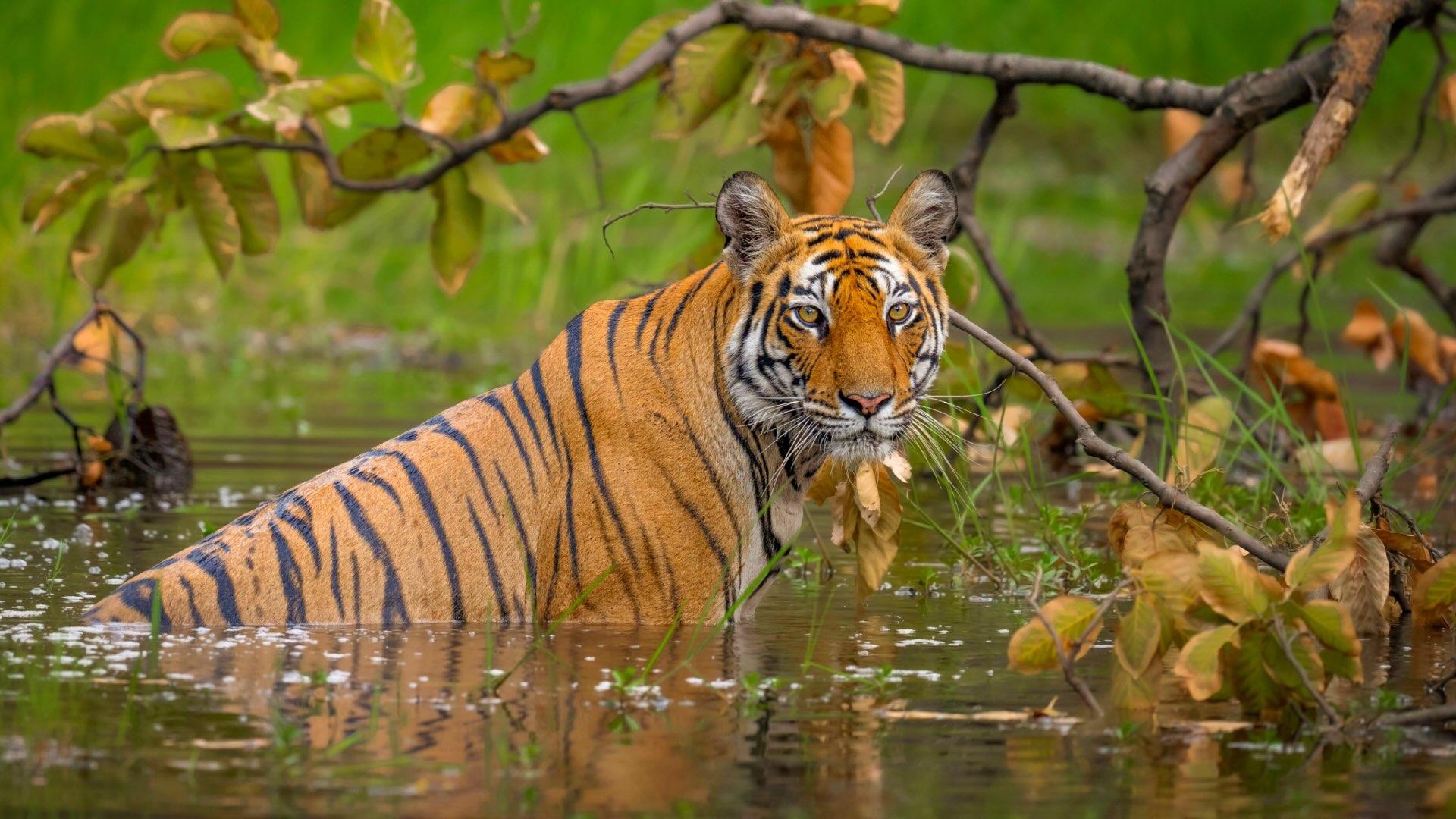
Tiger populations show gains in countries like India, Nepal, and Bhutan, yet remain critically endangered globally with only about 5,574 left in the wild (in 2022). Environmental Investigation Agency expert Debbie Banks joins Mongabay to discuss the mixed results from past recovery efforts, ongoing threats like poaching and illegal trade, and the promise of new strategies. As keystone and umbrella species, tigers help preserve vast ecosystems, boost biodiversity, and support climate goals when protected effectively.
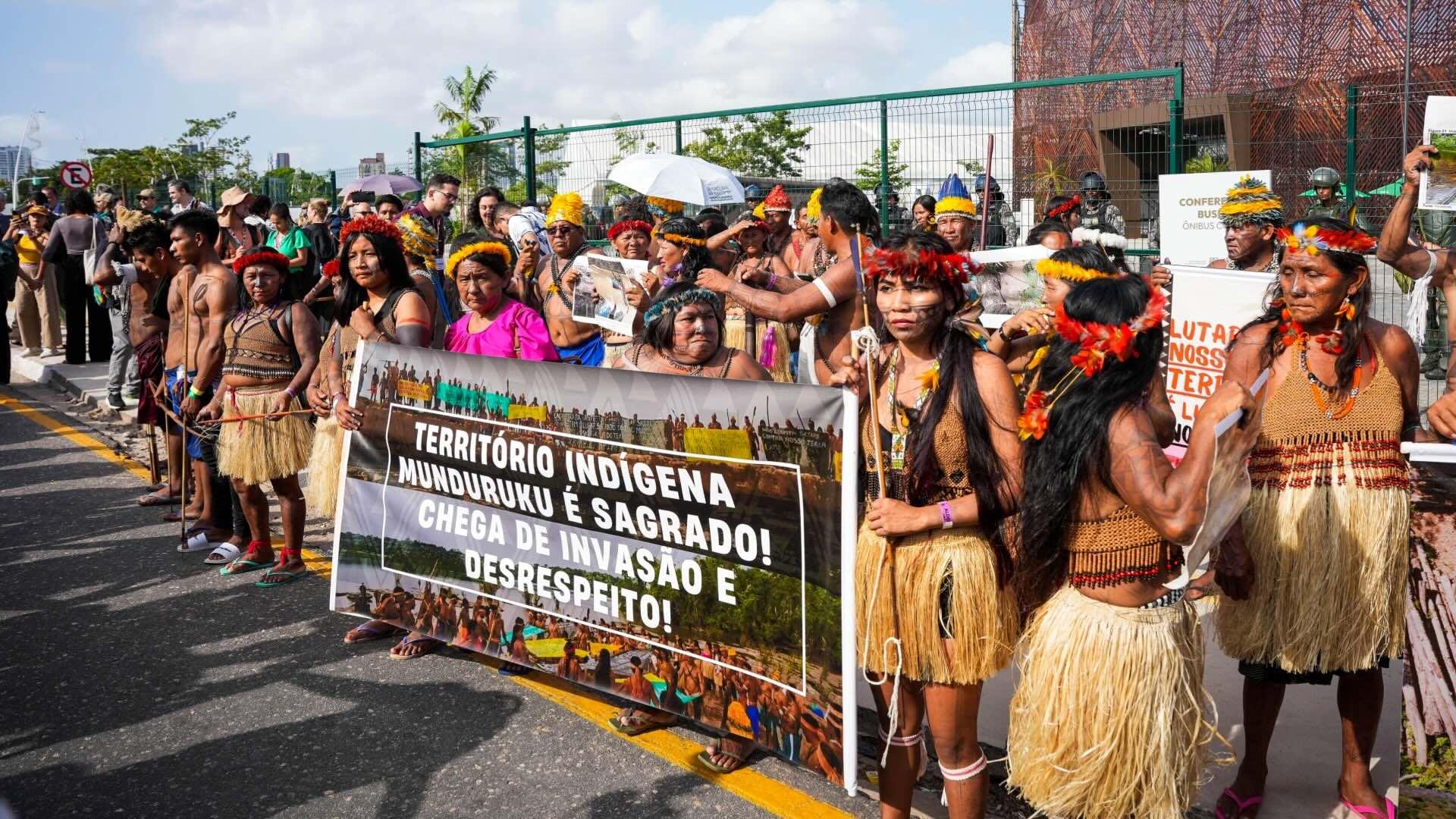
Foto Arena LTDA / Alamy
Indigenous peoples from the Munduruku, Kayapó, and other groups blockaded a Cargill grain terminal on the Tapajós River for over a month, enduring harsh conditions to protest Decree 12,600, which would have privatized sections of key Amazon rivers for dredging and agribusiness exports without proper consultation. Their determined mobilization led the Brazilian government to fully revoke the decree, affirming Indigenous rights and protecting these vital waterways.
CTK / Alamy
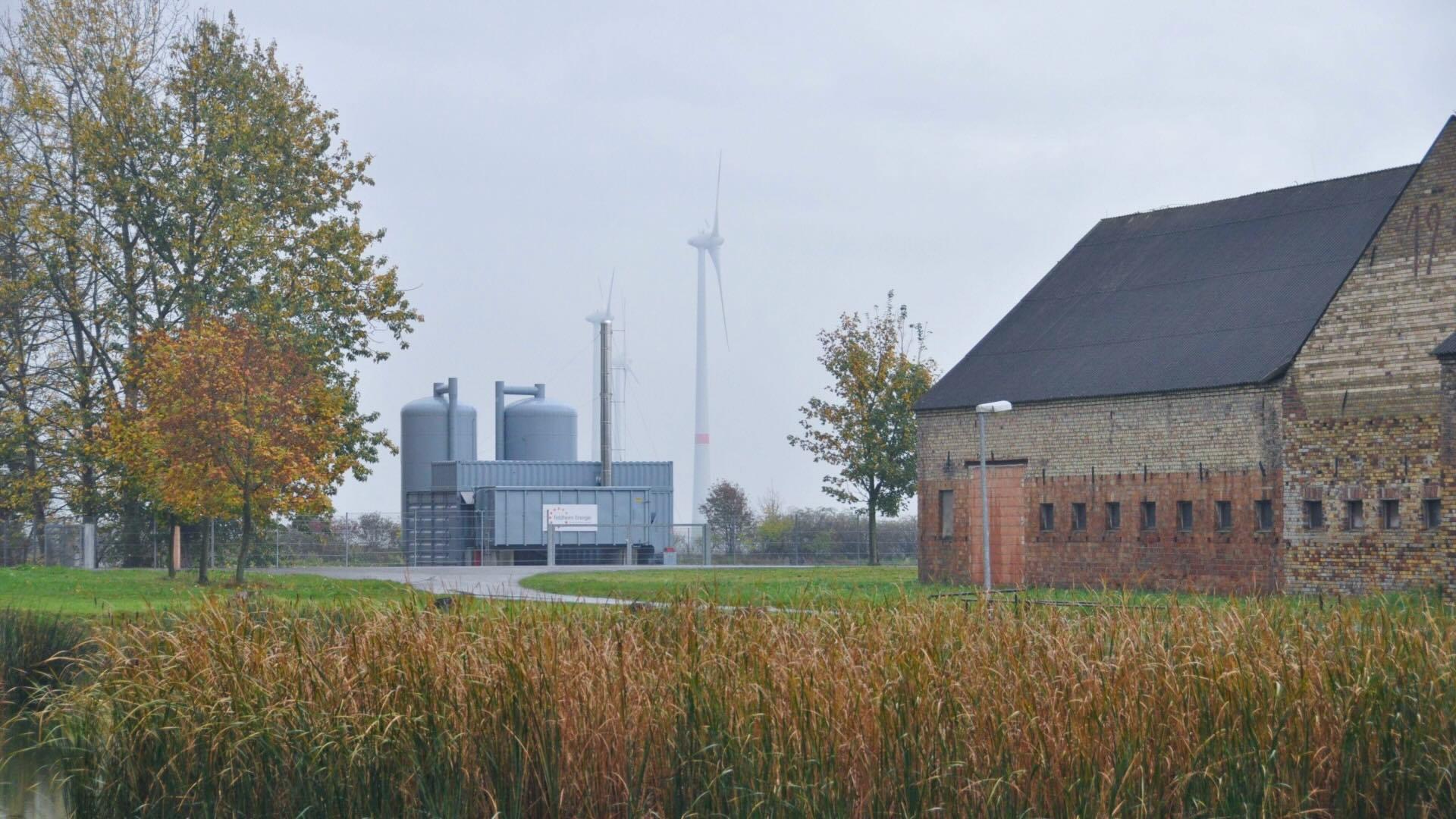
In the small eastern German village of Feldheim, residents pay just €0.12 per kilowatt hour for electricity while the national average sits at €0.35. Over three decades, this community built its own renewable grid using wind turbines, a biogas plant from farm waste, solar panels, and battery storage. They produce far more power than needed, export most of it, and shield themselves from global energy price shocks like those from recent wars.
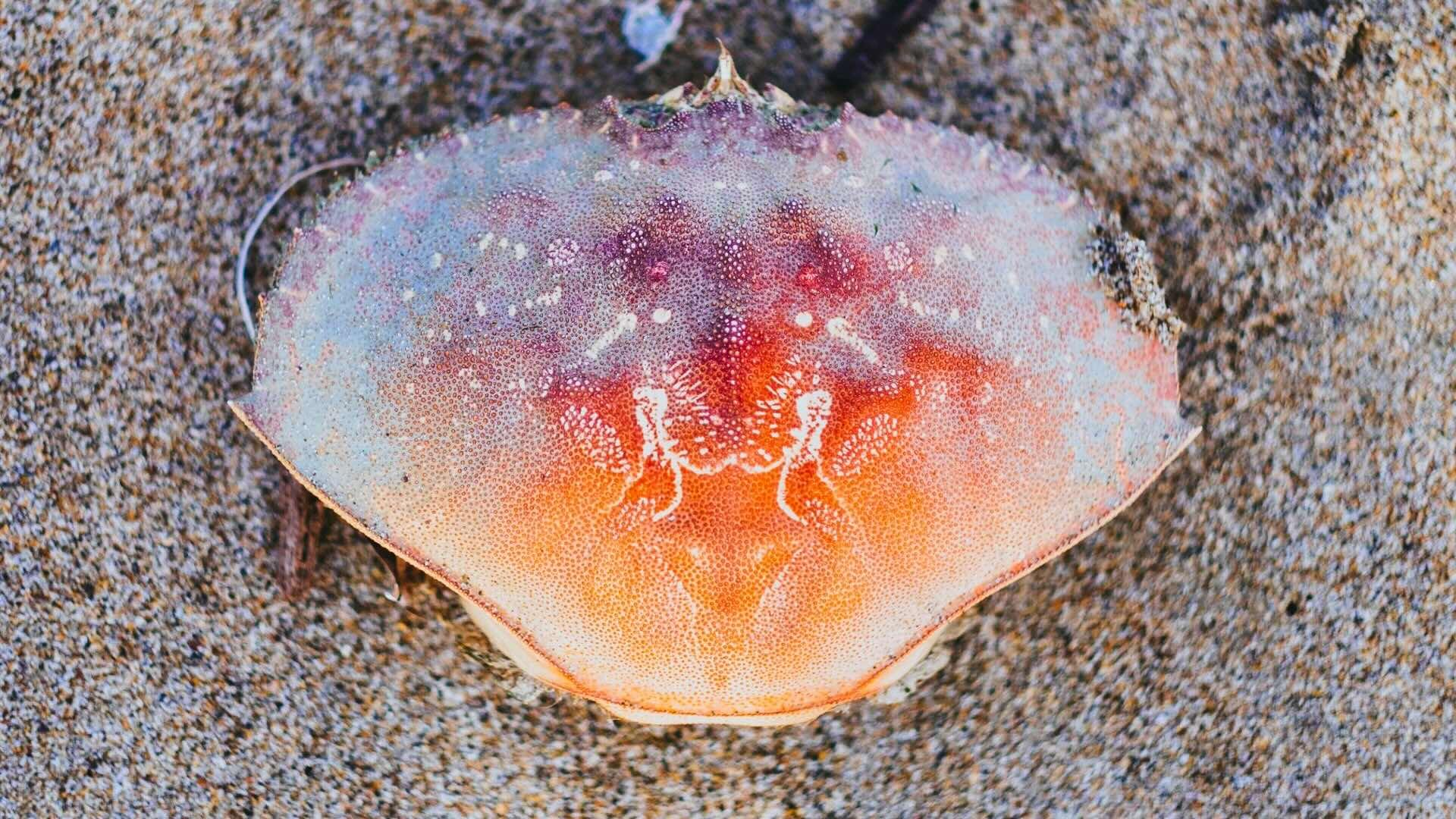
Researchers at Georgia Tech have developed a biodegradable packaging film using chitin nanofibers from crab shells and cellulose from plants, cross-linked with citric acid. This layered material provides excellent barriers against oxygen and moisture, matching or surpassing many conventional plastics even in high humidity. Fully renewable, compostable, and non-toxic, the film can help eliminate plastic pollution.
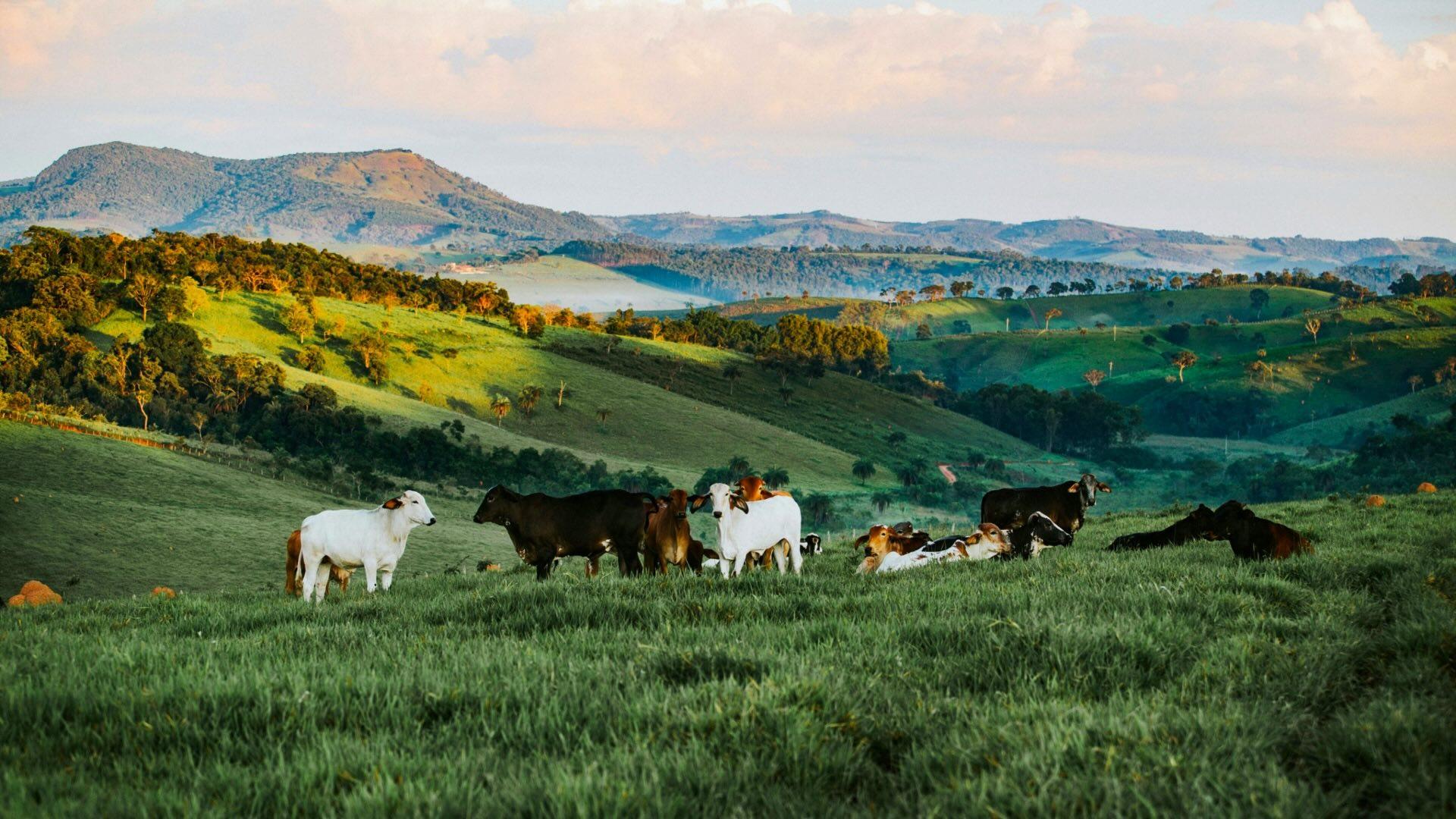
In Brazil's Mato Grosso, regenerative practices are turning degraded pastures into productive farmland through initiatives like REVERTE, which has restored nearly 282,000 hectares with substantial funding and aims to reach 1 million hectares by 2030. Yet agribusiness, especially cattle and soy, still drives most deforestation in the Amazon and Cerrado. Experts stress that without stronger governance and commitments, productivity gains could spur further ecosystem loss rather than relieve pressure on native vegetation.
Denis Mentz / Alamy
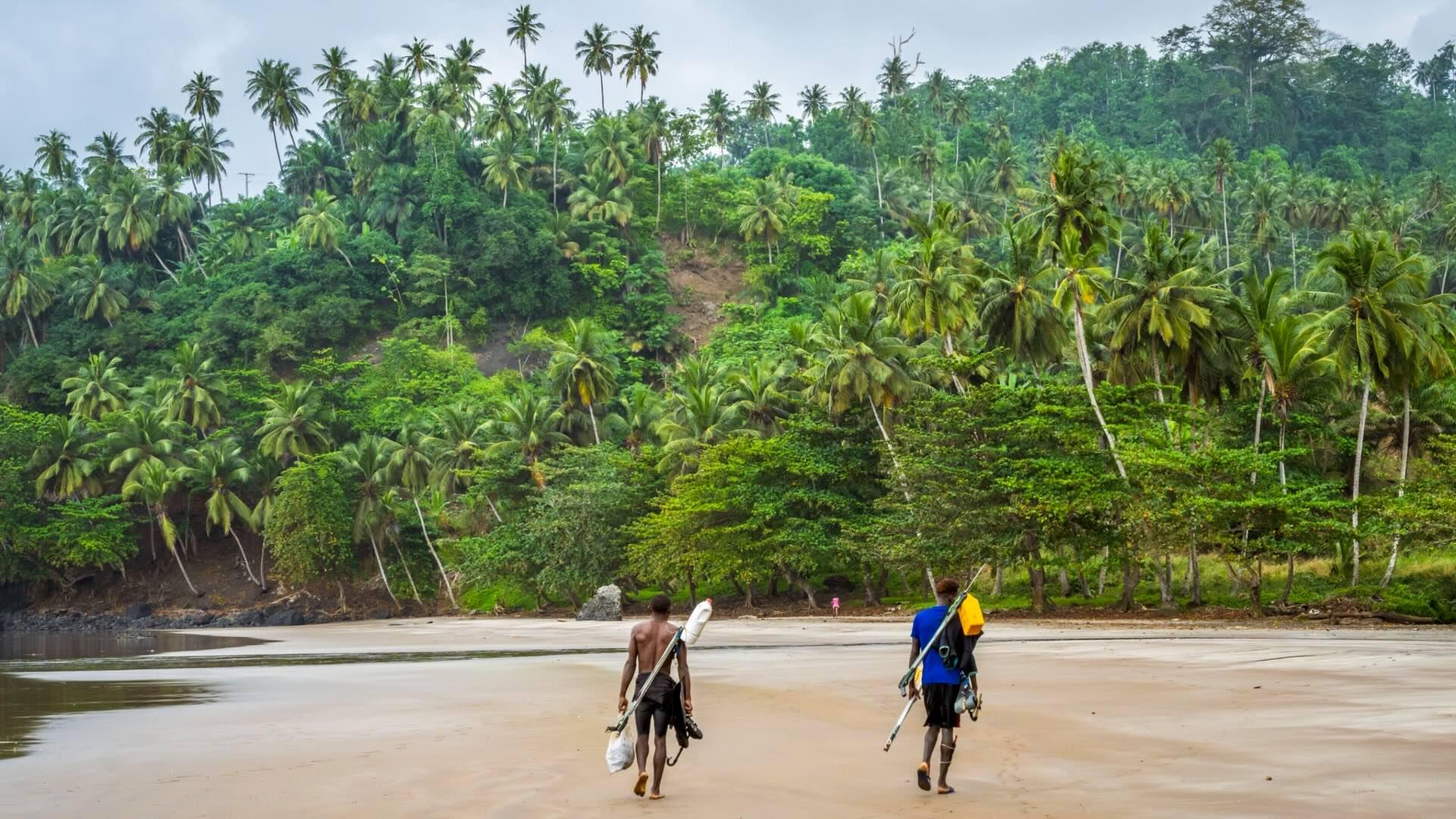
On the remote island of Príncipe, known as the African Galapagos for its extraordinary biodiversity, descendants of enslaved workers are now receiving quarterly payments to protect the rainforest instead of exploiting it. Funded by a South African billionaire through the Faya Foundation, the program has signed up most adults, delivering initial dividends while tying rewards to environmental rules. This initiative improves lives, revives old cacao traditions, and aims to heal centuries of colonial damage through community stewardship.
Paul McKinnon / Alamy
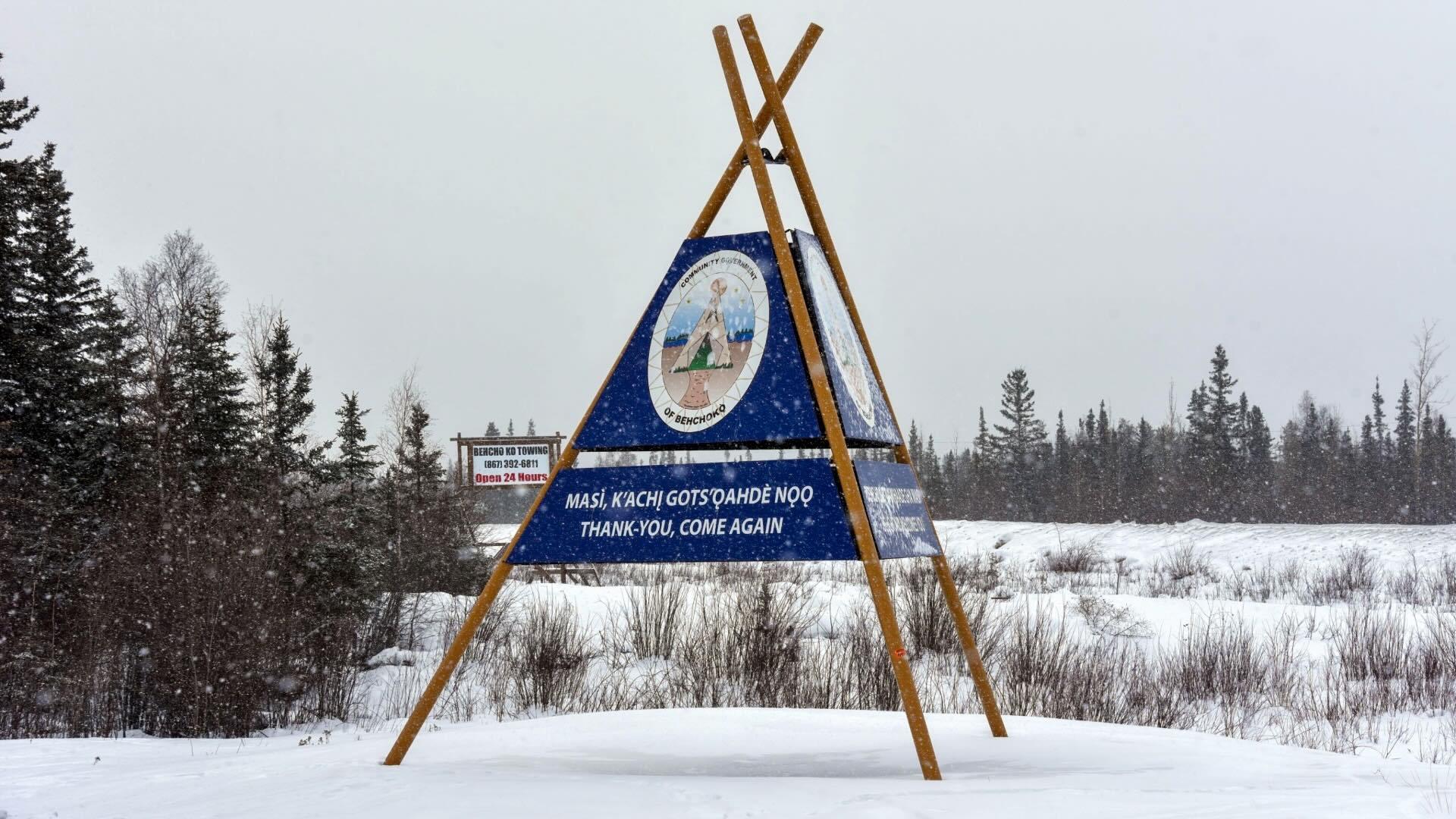
A new Indigenous-led trust has released its first $21.6 million to support conservation across the Northwest Territories. The funding helps the Tłı̨chǫ Government manage three vast protected areas spanning historic trails, waterways, and vital wildlife habitat, while creating full-time Guardians jobs to monitor lands, preserve cultural knowledge, and steward resources. This step advances Canada's 30 percent protection goal and provides economic opportunities as diamond mining winds down.
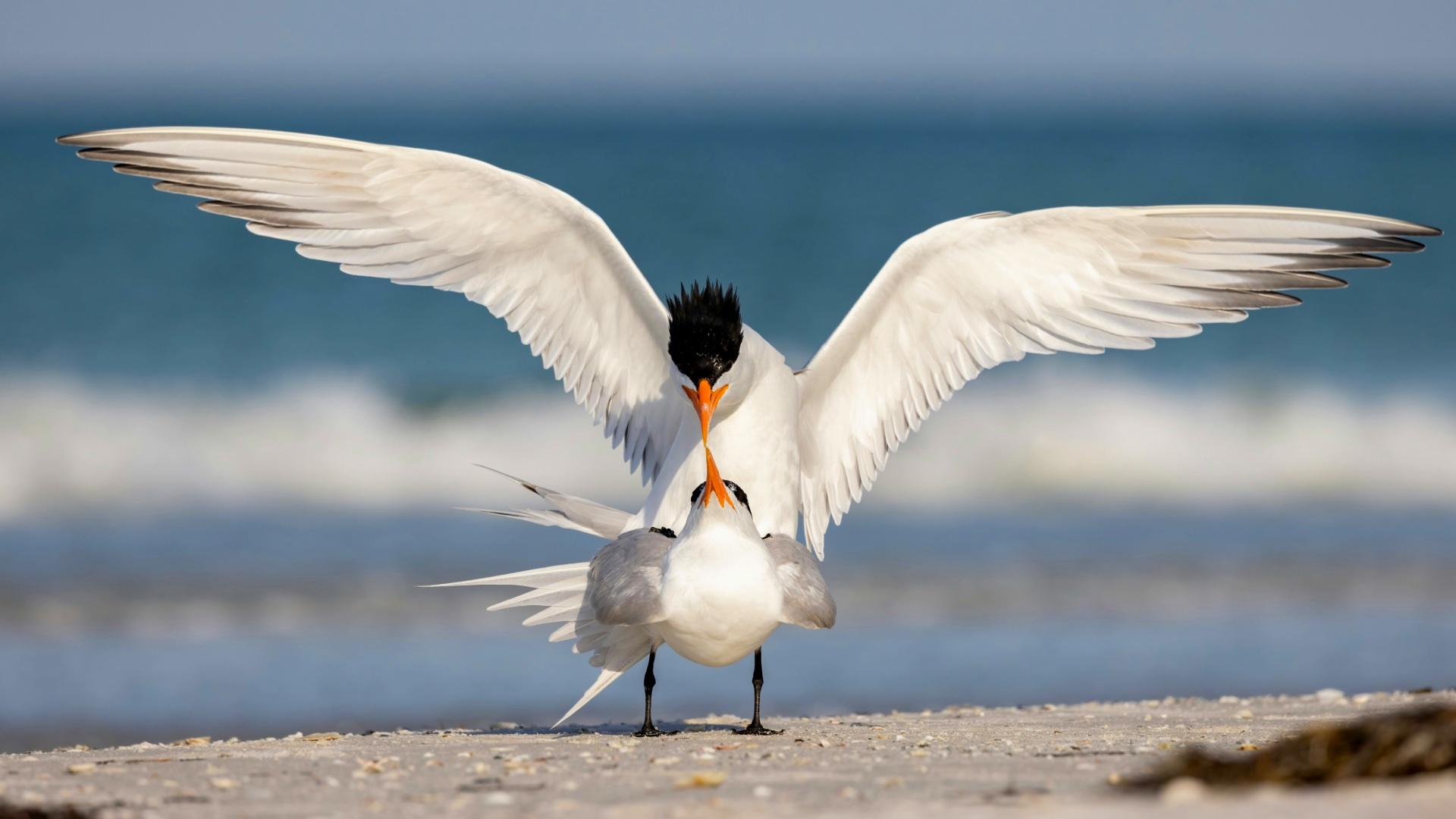
New research reveals that seabird guano plays a surprising role in coastal ecosystems. On remote barrier islands in the Wadden Sea, nutrient-rich droppings supercharge plant growth, especially dune-building grasses like marram and sand couch. This helps trap sand, stabilize dunes, and speed recovery from erosion and storms. As sea levels rise, these natural fertilizers enhance landscape resilience in nutrient-poor environments.
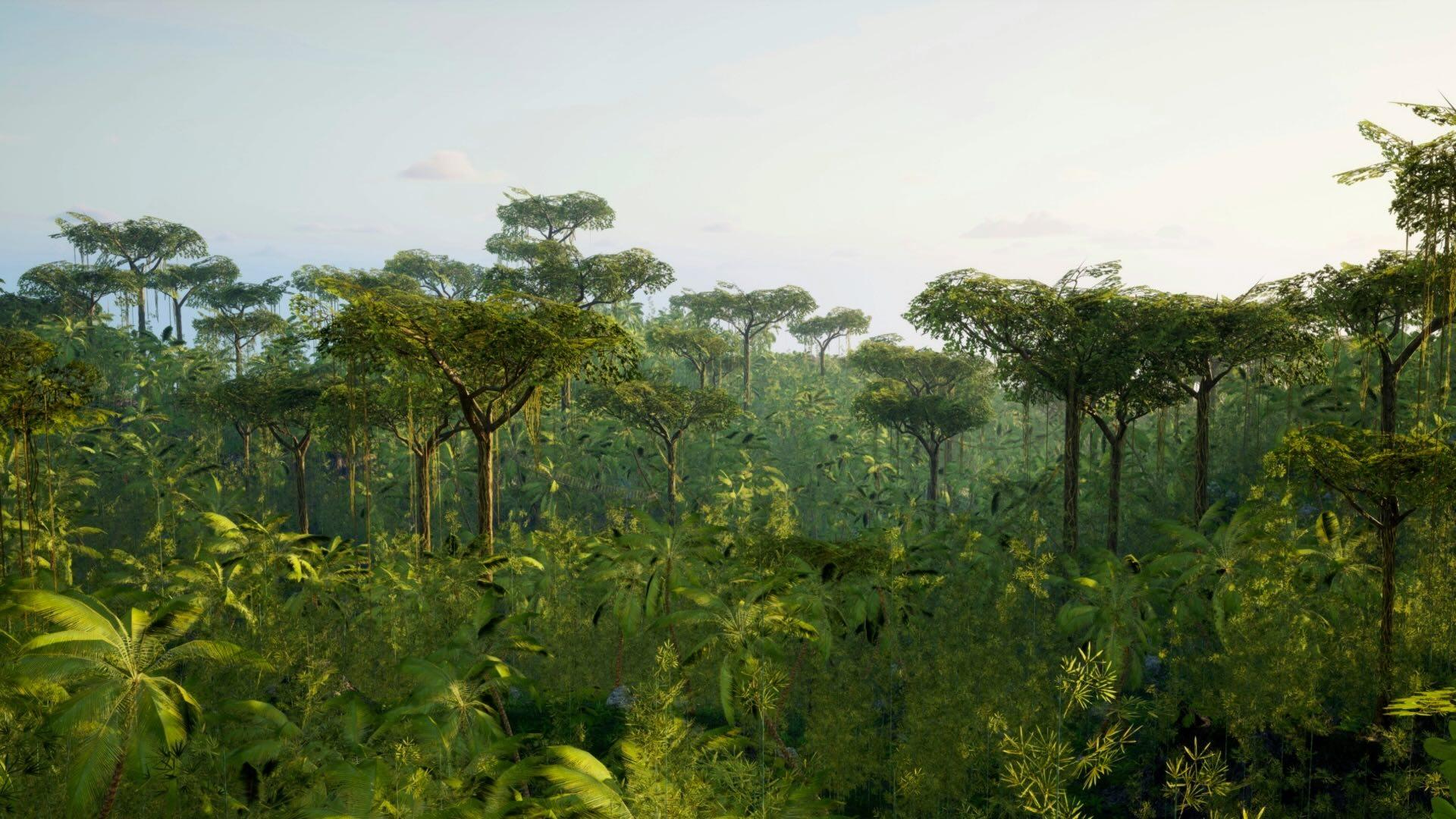
In northeastern Gabon, the Massaha community faced industrial logging that threatened their ancestral rainforest and cultural heritage. By creating detailed participatory maps with elders' knowledge, GPS verification, and documentation of sacred sites and forgotten villages, they exposed gaps in official records. Their advocacy, boosted by independent reporting, led authorities to halt operations, withdraw the logging company, and spark discussions on recognizing community-conserved territories.
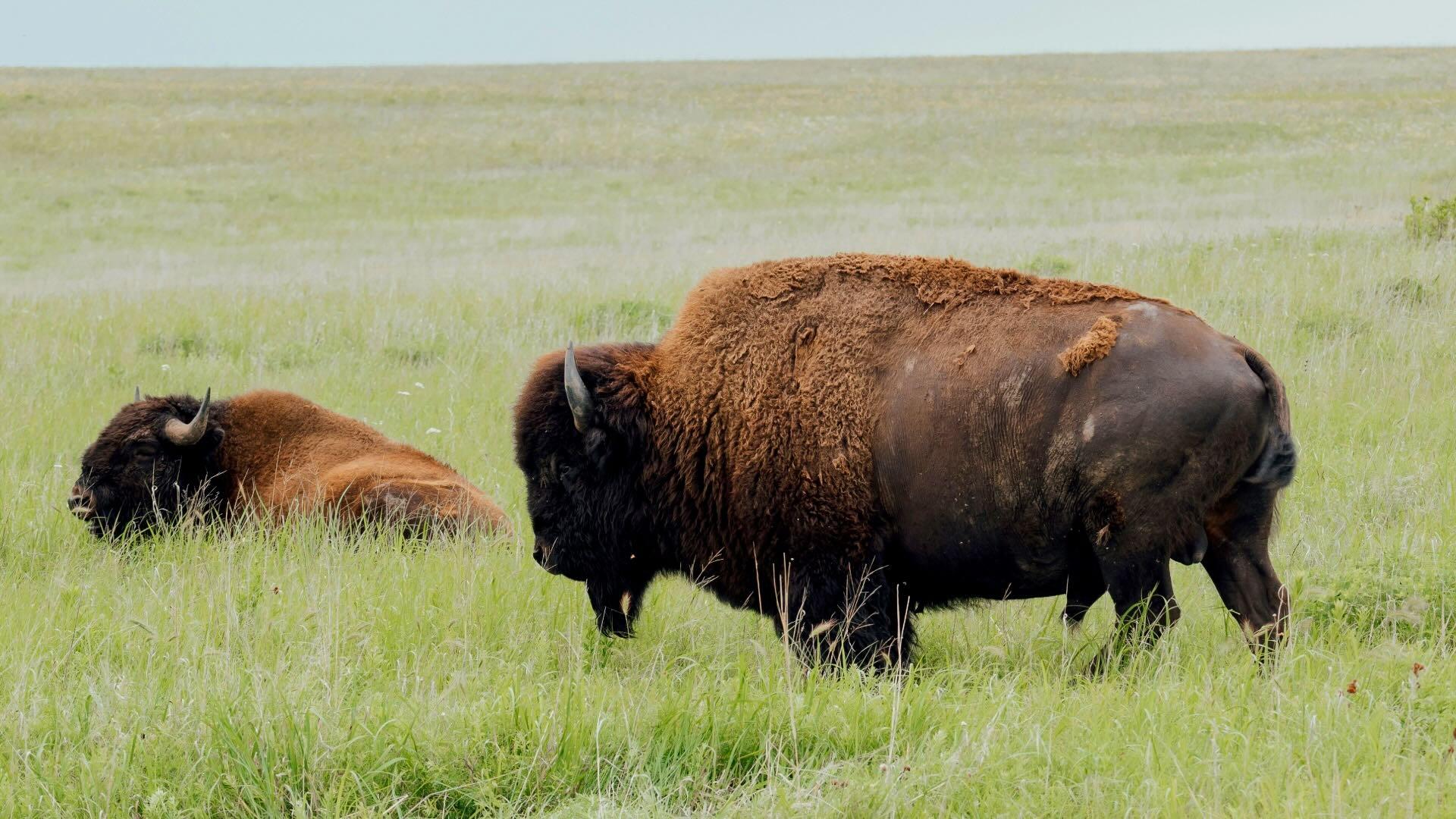
Decades of lead and zinc mining left vast swaths of Quapaw Nation land in Oklahoma as a hazardous Superfund site, with toxic waste piles harming health and the environment. Since taking charge in 2013, the tribe has become the only Native community to directly manage such a cleanup, removing contaminants, rebuilding soil, and transforming hundreds of acres into thriving farmland and cattle pastures, boosting jobs, food sovereignty, and cultural reconnection.

When a massive whale dies and sinks to the ocean floor, hopefully of natural causes after a life well lived, its carcass becomes a rare nutrient bonanza in the barren deep sea. Scavengers like hagfish and sleeper sharks strip the flesh first, followed by thousands of Osedax bone-eating worms that dissolve skeletons with acid. Later stages support chemosynthetic communities thriving on sulphur compounds, sustaining diverse life for up to 50 years and revealing surprising adaptations in these hidden ecosystems.
Mongabay
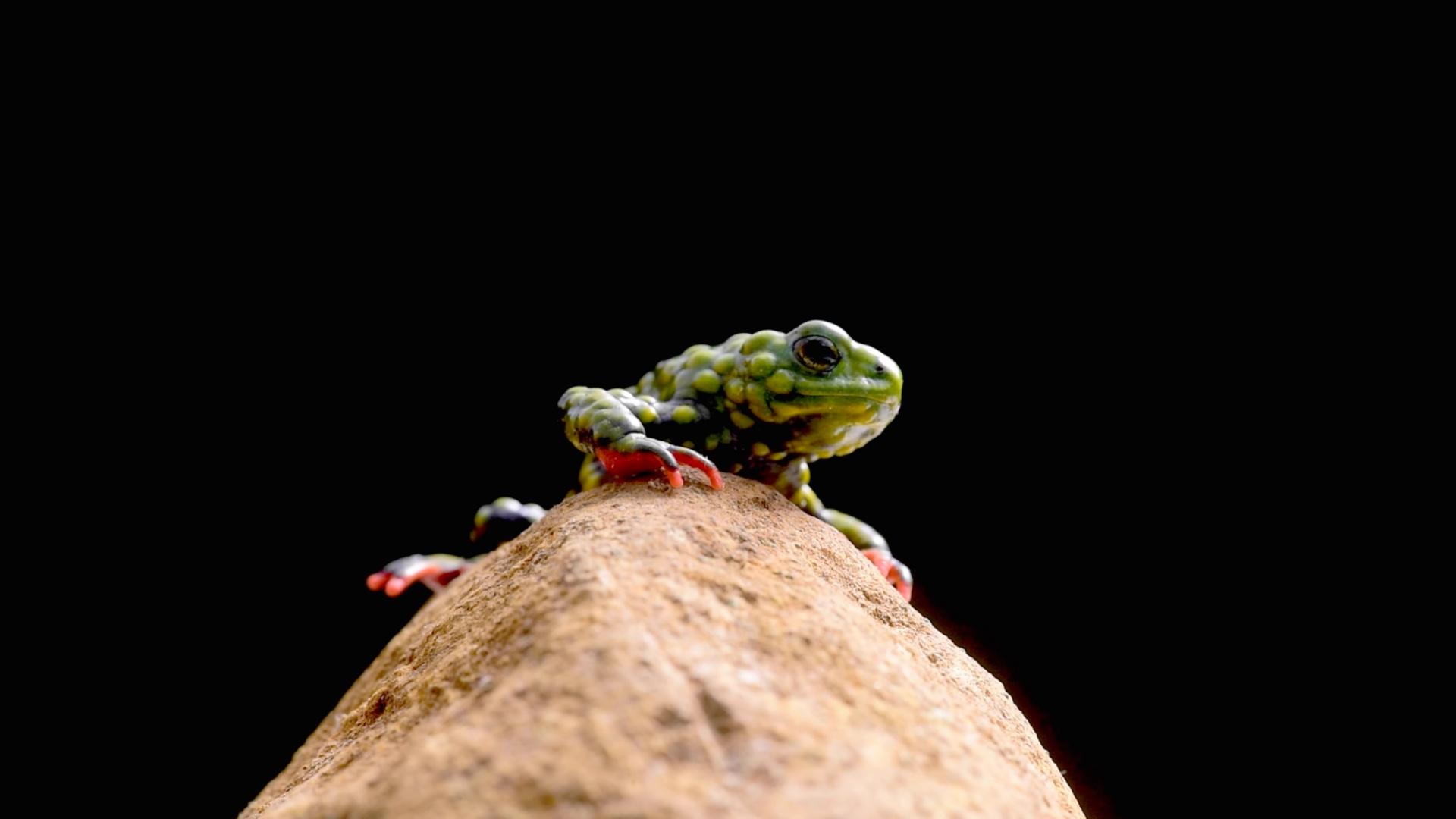
In southern Brazil, the admirable red-belly toad, found nowhere else on Earth, achieved something extraordinary in 2014 by halting a hydroelectric dam that threatened its tiny habitat. With only about 1,000 individuals left and listed as critically endangered, this vibrant amphibian recently endured devastating 2024 floods. Researchers returned to search slippery rocks for survivors, finding hope in their resilience amid ongoing threats from agriculture, trafficking, and climate change.