Stories
Michael Wheatley / Alamy
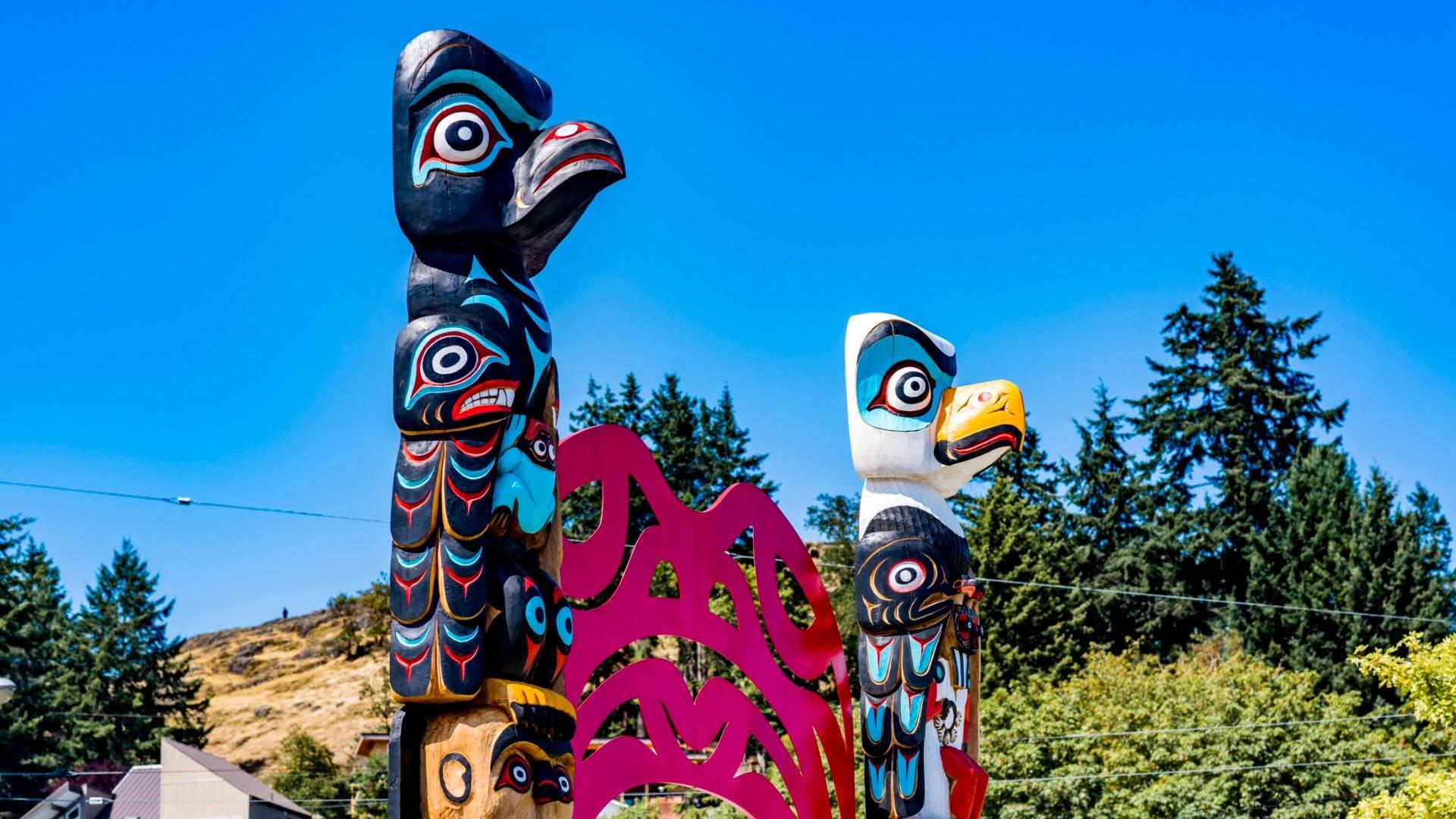
Indigenous Clean Energy hosted directional gatherings across Canada, including in Nanaimo, B.C., to connect Indigenous leaders and integrate culture, wellness, and land-based teachings into clean energy development. About 200 participants shared knowledge with Elders, built networks, and explored community-led renewable projects amid rising Indigenous involvement in Canada's energy transition. Organizers emphasize health, relationships, and decolonized approaches to envision self-determined clean energy futures.
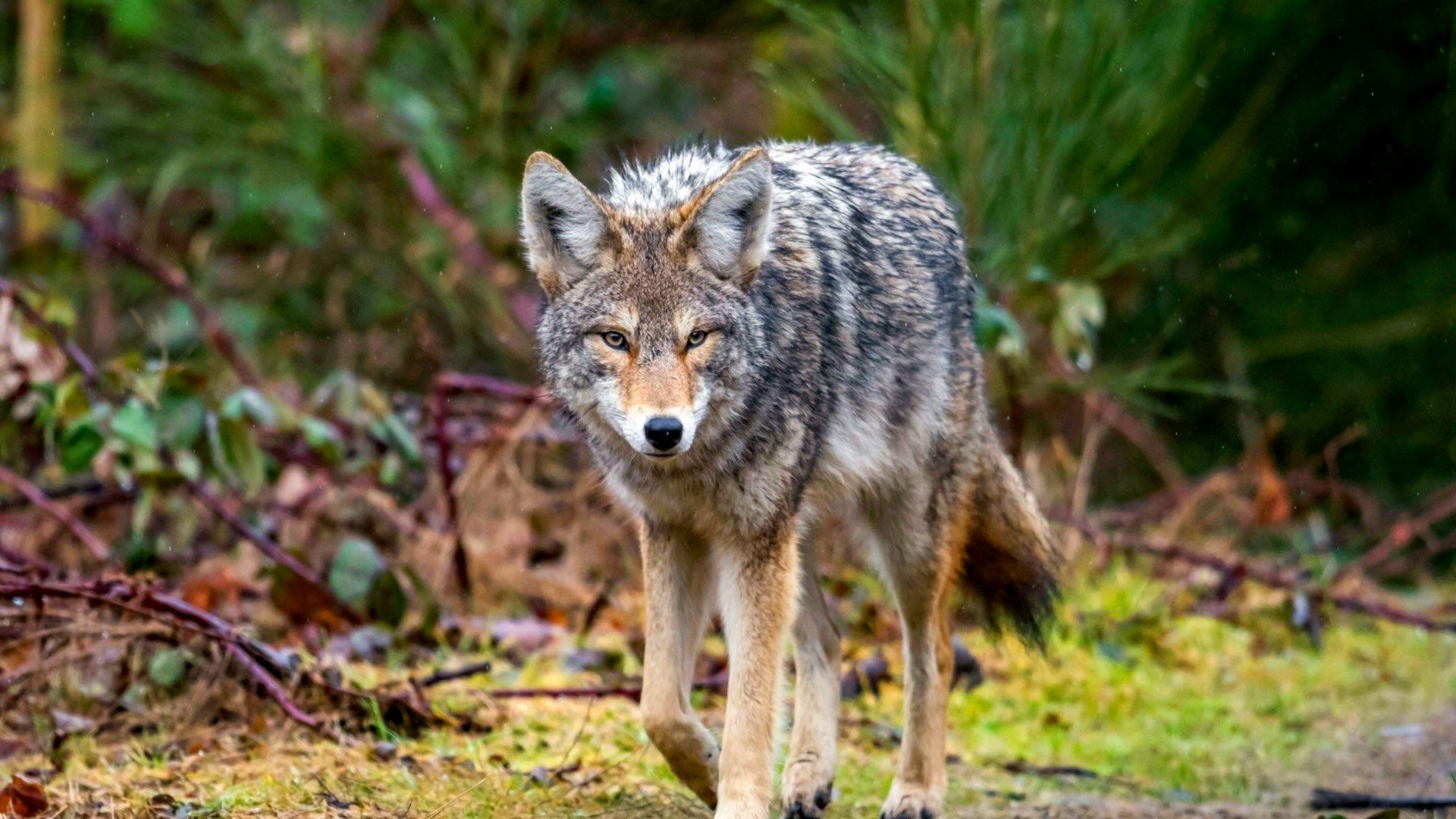
Coyotes in Ontario are often vilified as dangerous predators, but photographer Paul Gains challenges this view with stunning images of these adaptable animals in rural southern Ontario. He highlights their intelligence, resilience, and ecological benefits, such as controlling rodents. Facts show far more dog bites than coyote incidents in Canada, and many attacks stem from human feeding. Despite livestock compensation claims favoring coyotes, Gains argues they deserve better understanding over fear and eradication.
Cindy Hopkins / Alamy
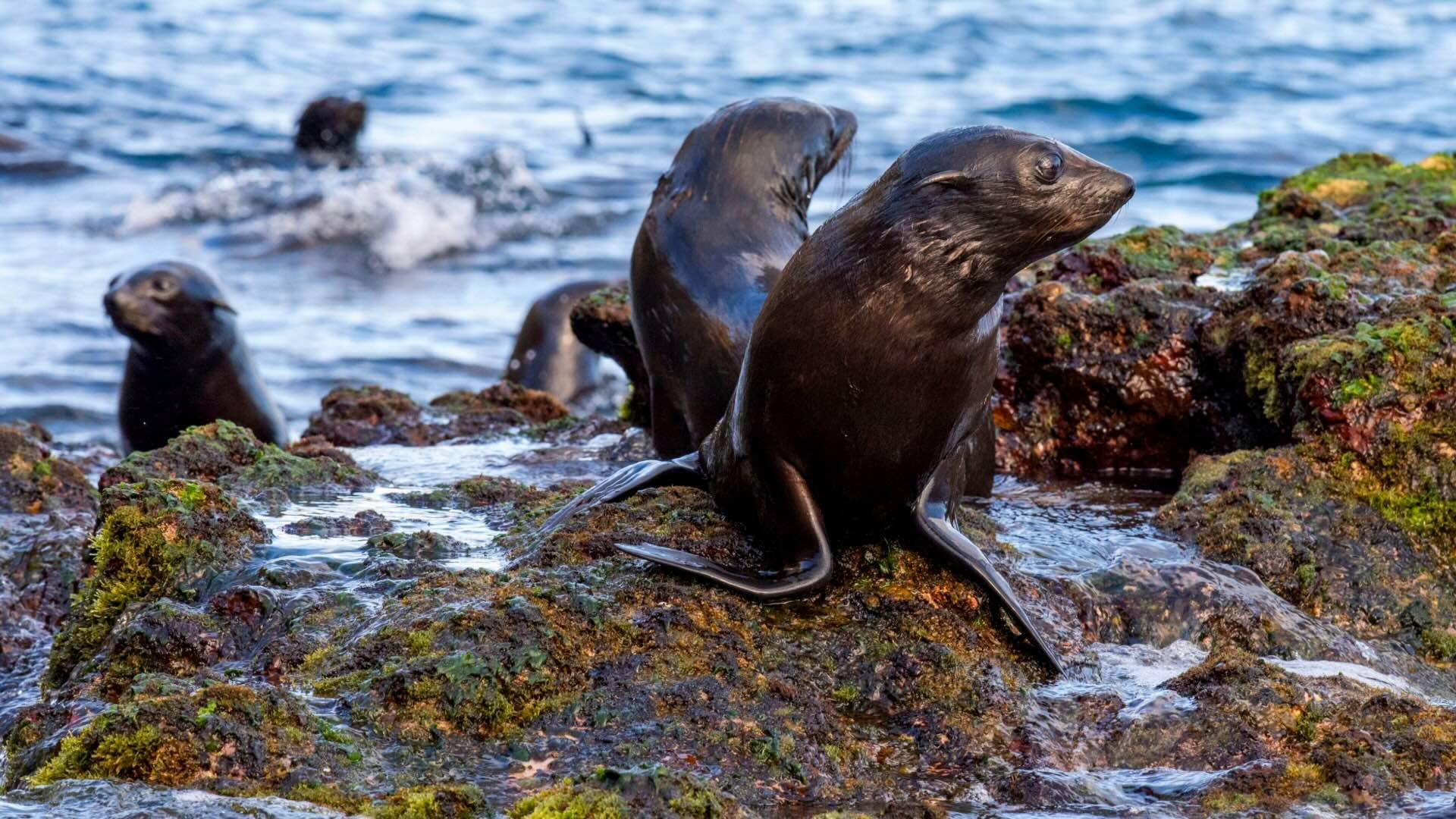
Chile has expanded marine protections around the Juan Fernandez archipelago with a new park spanning 337,000 square kilometers. The measure safeguards the endemic fur seal colony that has recovered to around 200,000 individuals. Local lobster fishers championed the initiative, as it creates one of the world's largest no-take zones and helps Chile protect more than half its ocean waters from industrial threats.
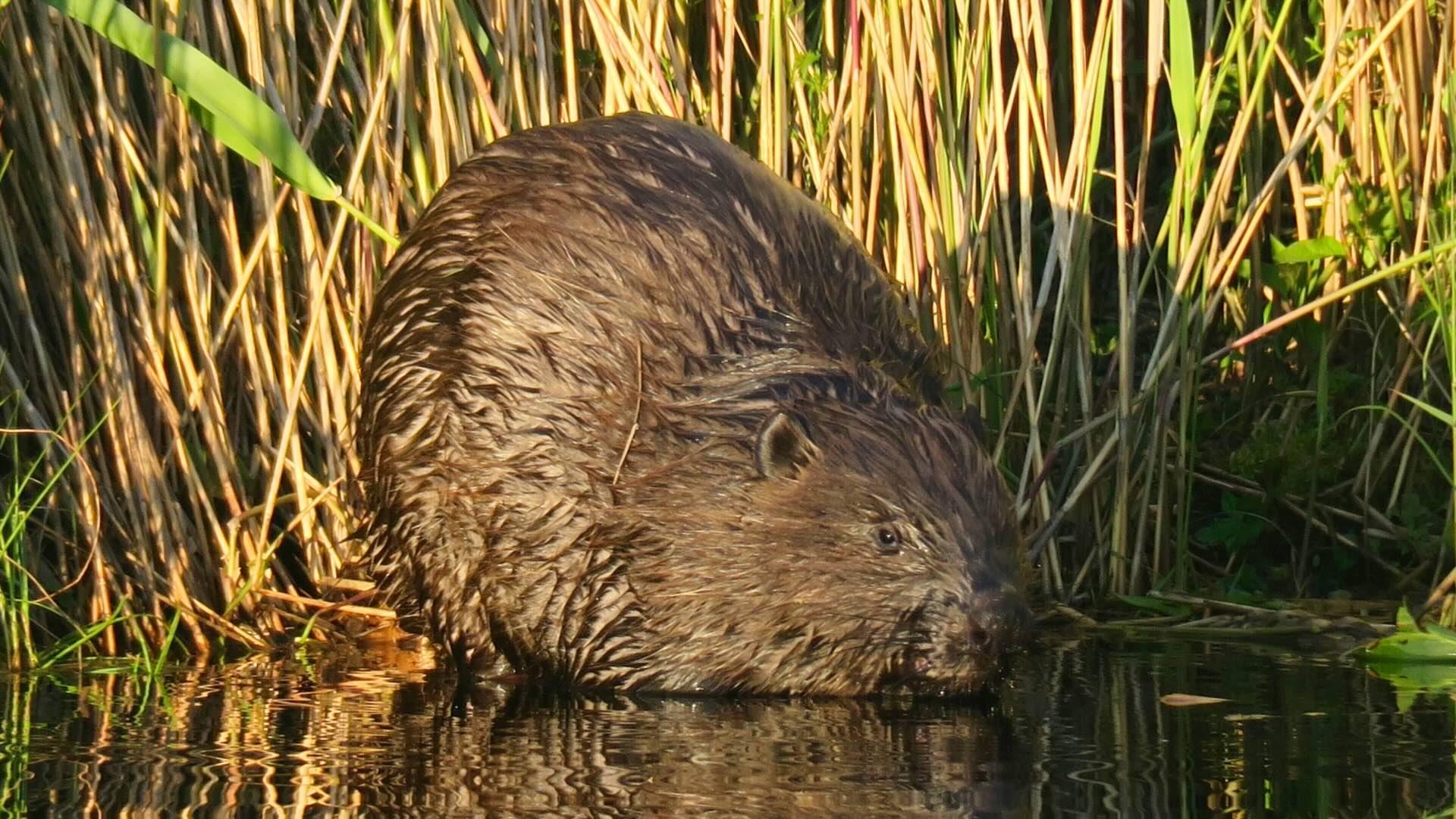
New research from an international team shows beavers are transforming rivers into powerful carbon sinks. Their dams create wetlands that store carbon at rates up to ten times higher than unaffected areas. Research in northern Switzerland showed that the site accumulated nearly 1,200 tonnes of carbon over 13 years. Experts see great potential for beaver-led rewilding in European climate strategies.
Chuck Szmurlo - CC BY 3.0
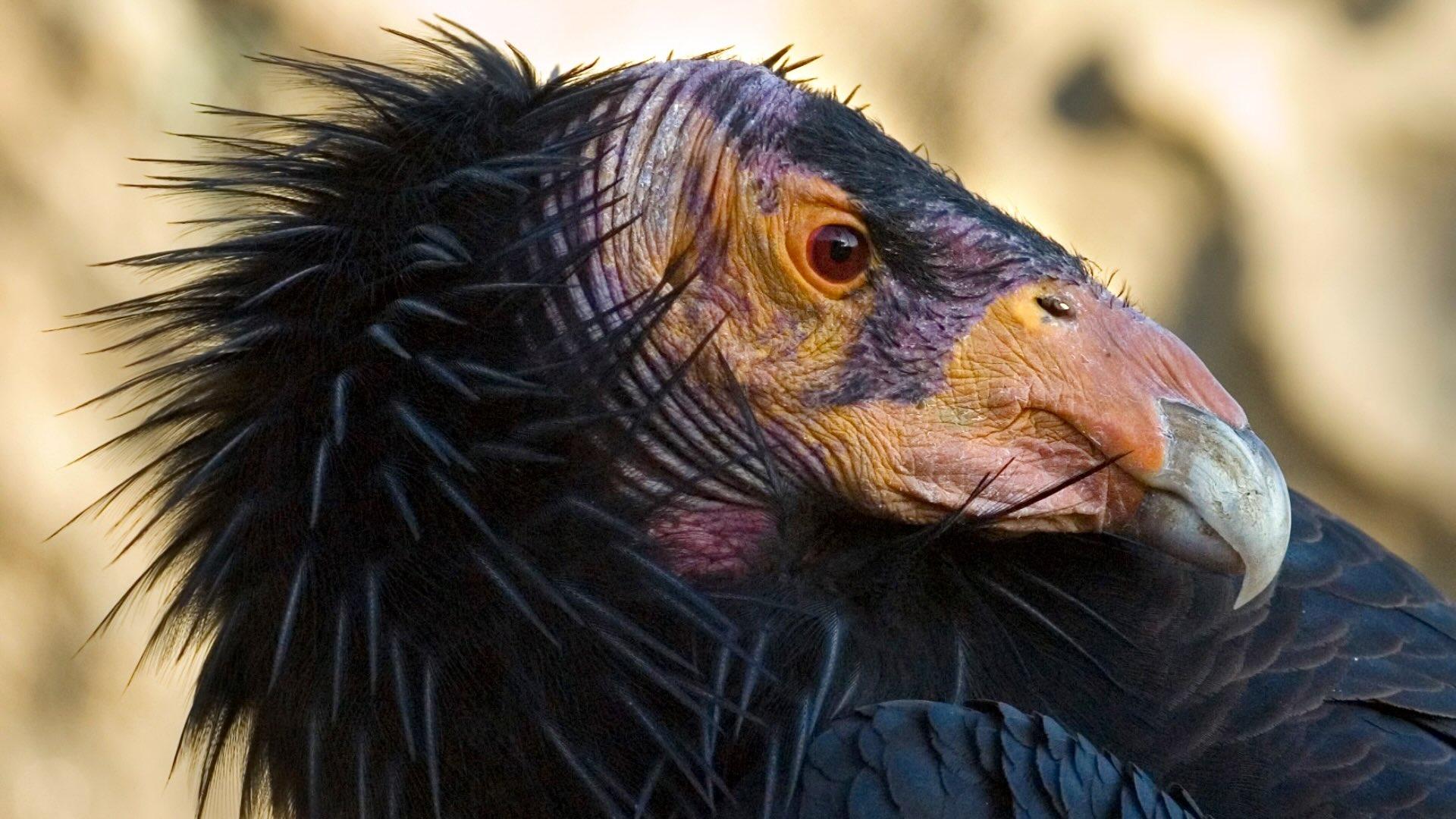
Two young California condors released in 2022 have established the region's first nest in over a century within an old-growth redwood in Redwood National and State Parks. Biologists observe behaviors suggesting an egg was laid in February, marking a milestone for the Yurok Tribe-led restoration program. If it hatches, this would be the first wild-born condor chick in Northern California in roughly 130 years, offering hope for the species' recovery after near-extinction.
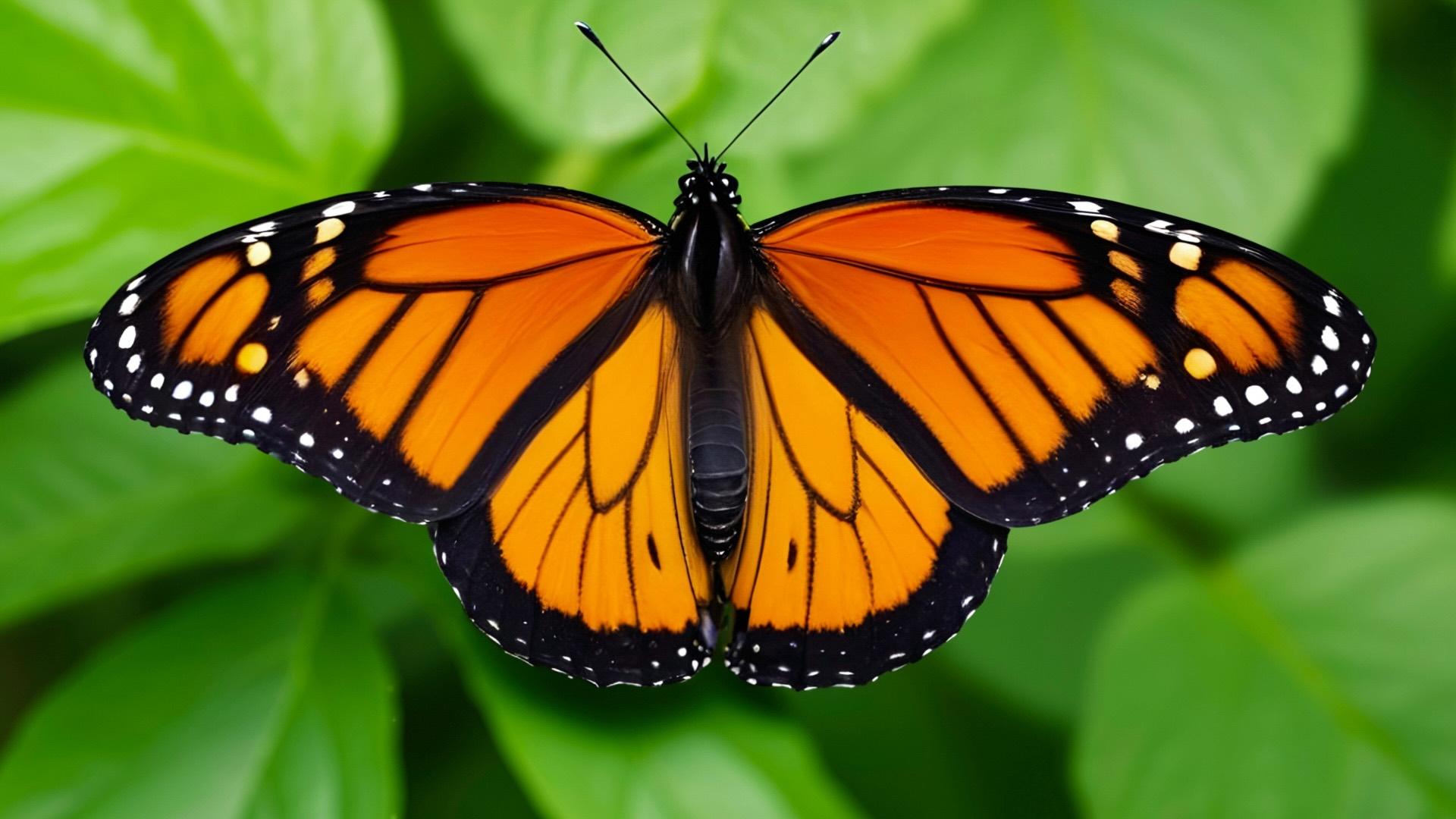
Monarch butterflies in central Mexico's wintering forests increased for the second consecutive year, covering about 7.2 acres according to WWF Mexico data. This suggests the eastern population's long decline has stabilized, thanks to good rainfall in the U.S. Midwest that supported milkweed and nectar sources, but numbers remain well below historical averages and the sustainable threshold.
Nature Picture Library / Alamy
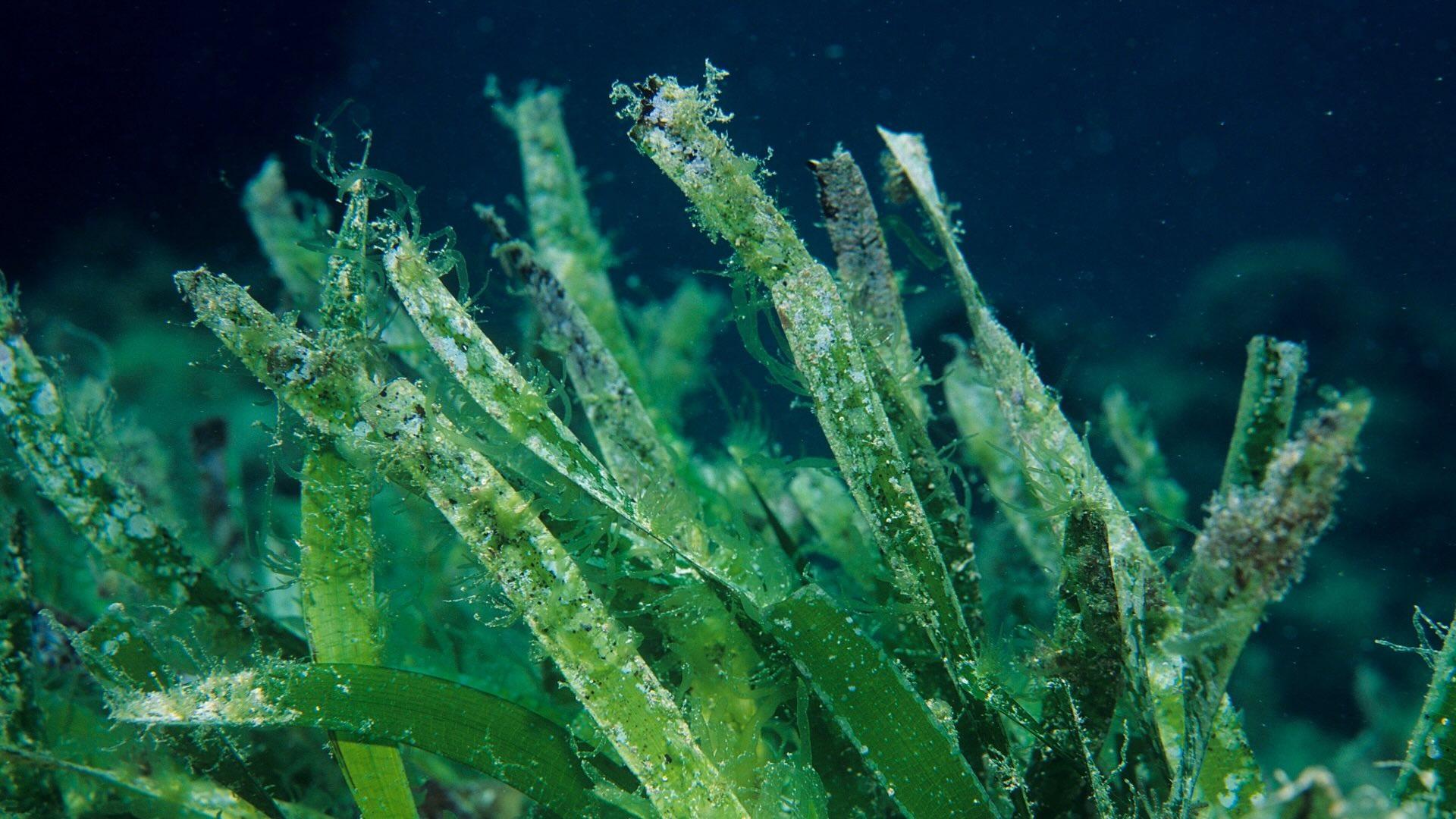
A massive Posidonia australis seagrass clone in Shark Bay, Western Australia, holds the title of Earth's largest organism, covering an area the size of Paris and dating back over 4,500 years. A 2011 marine heat wave killed off a quarter of it, releasing stored carbon. Now, Malgana descendant Michael Wear and his Tidal Moon startup, backed by Conservation International, are hand-planting resilient shoots from warmer waters and farming sea cucumbers to restore the meadow, improve nutrient cycling, and build long-term resilience while creating sustainable jobs and funding.
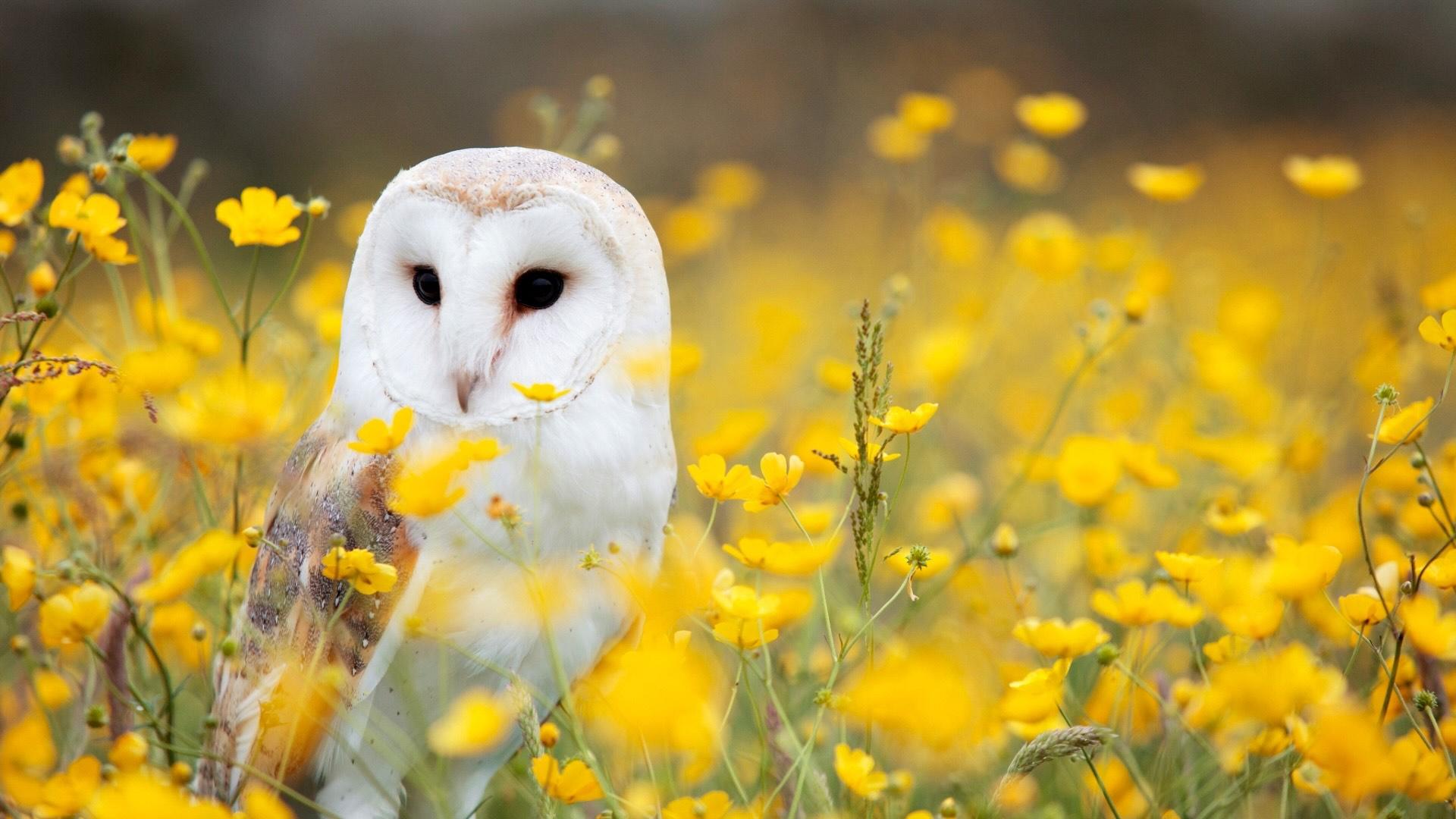
Meta has closed nine Facebook groups in Indonesia, totaling tens of thousands of members, after a joint investigation by Mongabay and Bellingcat revealed open sales of protected wildlife. Reporters found advertisements for threatened species like rhinoceros hornbills and Javan silvery gibbons, often using coded language. Meta acted for violations of its Restricted Goods and Services Policy following the report.

Aflo Co. Ltd. / Alamy
Japan draws on its maritime heritage and the satoumi concept to restore coastal ecosystems damaged by industrialization and pollution. In places like the Seto Inland Sea and Hinase, communities have replanted seagrass beds, integrated sustainable aquaculture, and boosted biodiversity. Featuring education initiatives led by ichthyologist Sakana-kun, these efforts foster reciprocal human-marine relationships while aiming for 30 percent marine protection by 2030.
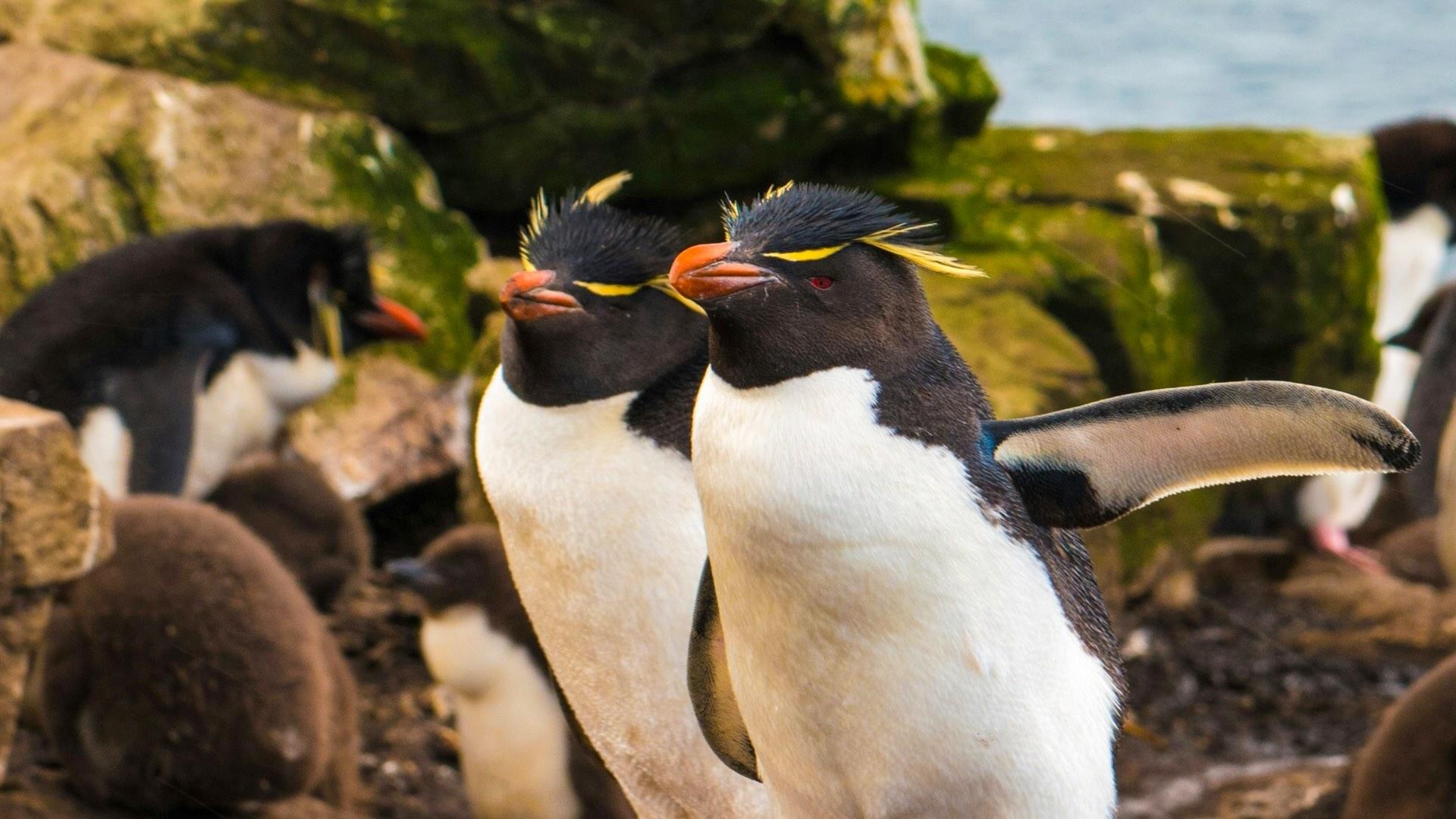
Southern rockhopper penguins, known for their daring leaps up steep cliffs in the Falkland Islands, are showing signs of strain from climate change. Long-term research reveals declining food availability, fewer chicks per nest, and sharp population drops over decades due to warmer waters, intense storms, and starvation events. Fortunately, conservation projects on islands are helping boost chick survival through shelters and habitat restoration.
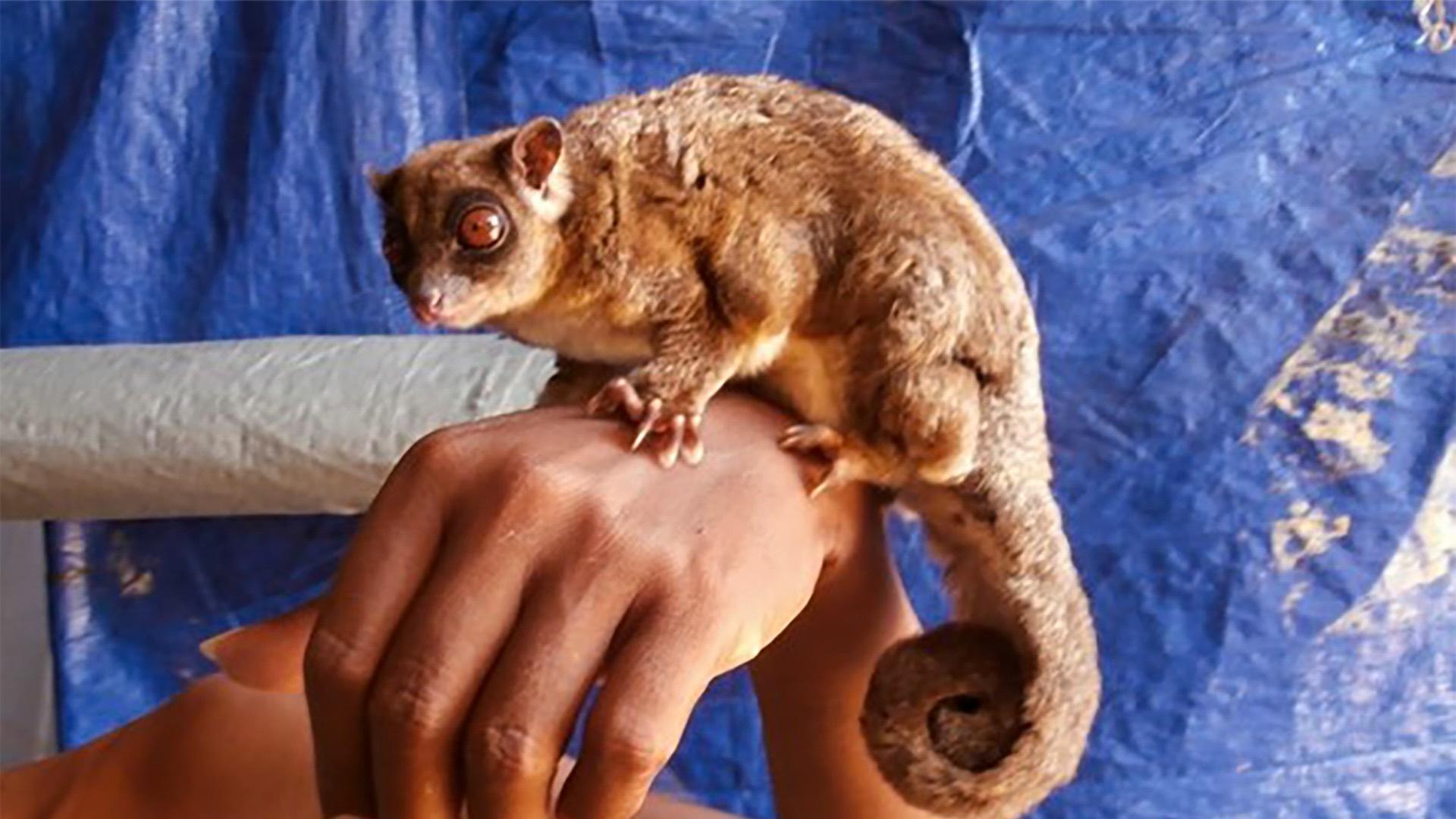
Arman Muharmansyah in Flannery et al. (2026) - CC BY 4.0
Two marsupial species, the pygmy long-fingered possum and ring-tailed glider, long known only from fossils and presumed extinct for 6000 years, have been found alive in the rainforests of New Guinea's Bird’s Head Peninsula in Indonesian Papua. Local Indigenous knowledge and recent photographs aided researchers in confirming the discoveries, highlighting the region's rich, understudied biodiversity and the value of collaborating with Traditional Owners.
Mihály Köles / Unsplash
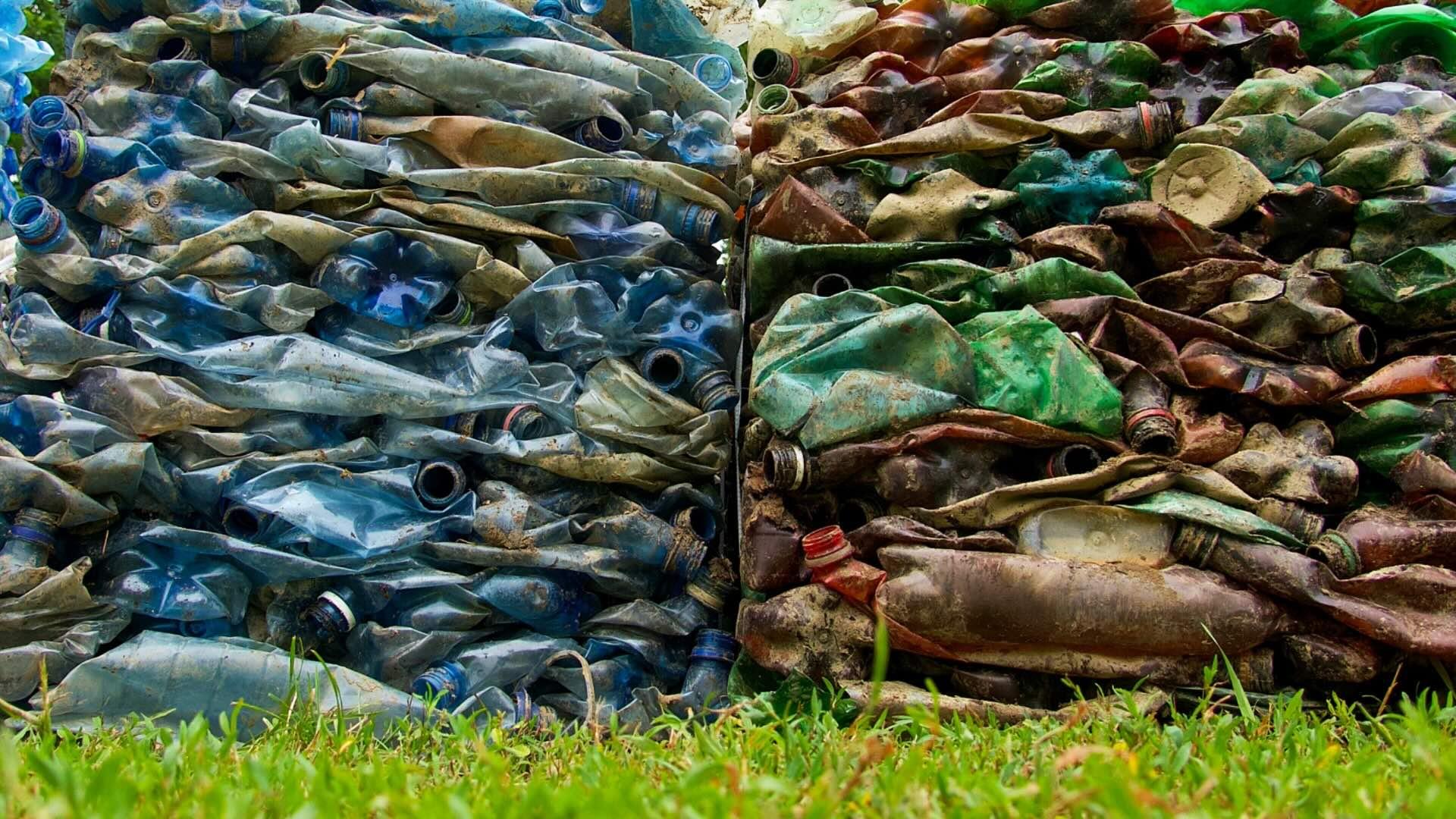
Researchers at the University of Waterloo have developed a sunlight-powered method to convert common plastic waste, including polyethylene, polypropylene, PET, and PVC, into acetic acid, the main component of vinegar. Using an iron-based catalyst inspired by white-rot fungi, the process breaks down plastics with hydroxyl radicals and then reassembles carbon into valuable acetic acid at room temperature. This offers a promising, low-energy pathway to upcycle waste without added emissions.