Stories

A new analysis argues that the Congo Basin holds the key to advancing Central Africa’s green transition. As home to the second largest tropical rainforest, the region offers vast opportunities for a resilient bioeconomy. This model would move beyond raw resource extraction to create local value in areas like biopharma and ecotourism while protecting biodiversity and empowering communities.
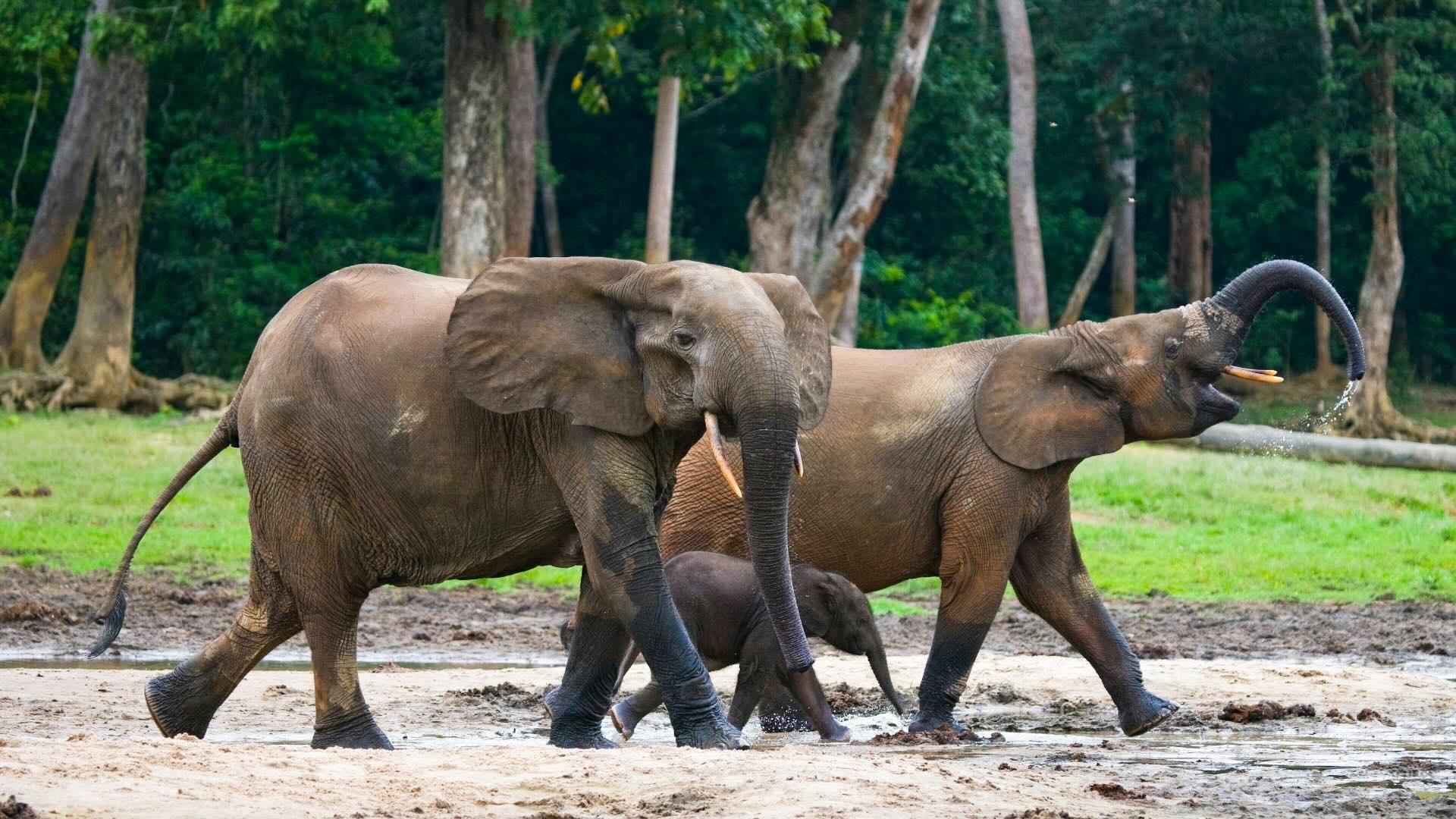
In the heart of Central Africa's dense forests, Dzanga Bai is a unique mineral-rich clearing within Dzanga-Sangha National Park. It draws hundreds of forest elephants seeking scarce salts and engaging in social interactions. Scientists study their family dynamics and behaviors at this rare open site, gaining insights crucial for the conservation of these elusive and threatened animals.

Adam Jones | CC BY-SA 2.0 | Wikipedia
Virginia is turning to trees as a frontline defense against urban heat. Neighborhoods with less tree canopy, frequently in historically redlined areas, can be up to 15 degrees hotter than greener parts of the city. Richmond is using a six-million-dollar USDA grant to expand plantings and engage communities, and a new bill would require tree canopy targets in future developments. These efforts aim to reduce temperatures, manage stormwater runoff, and improve public health in vulnerable communities.
Kai Squires, CC BY 4.0, Wikipedia
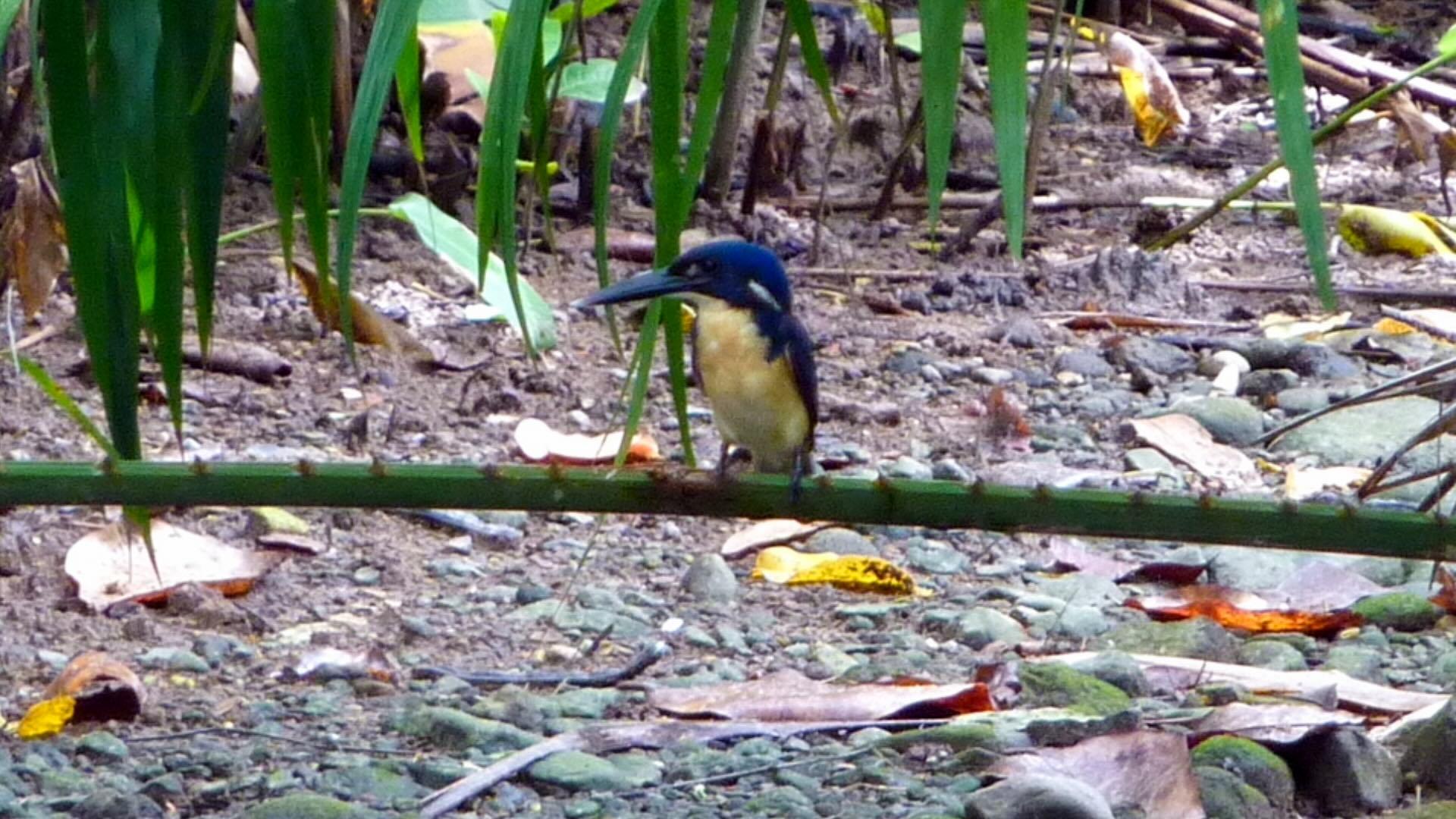
In 2025 five bird species missing from the wild for more than a decade were rediscovered on islands in Southeast Asia and Oceania. These include the Bismarck kingfisher, Biak myzomela, broad-billed fairywren, Sulu cuckooshrike, and rufous-breasted blue flycatcher. Their documentation through citizen science efforts has reduced the Lost Birds List to 120 species and brought fresh hope for conservation.
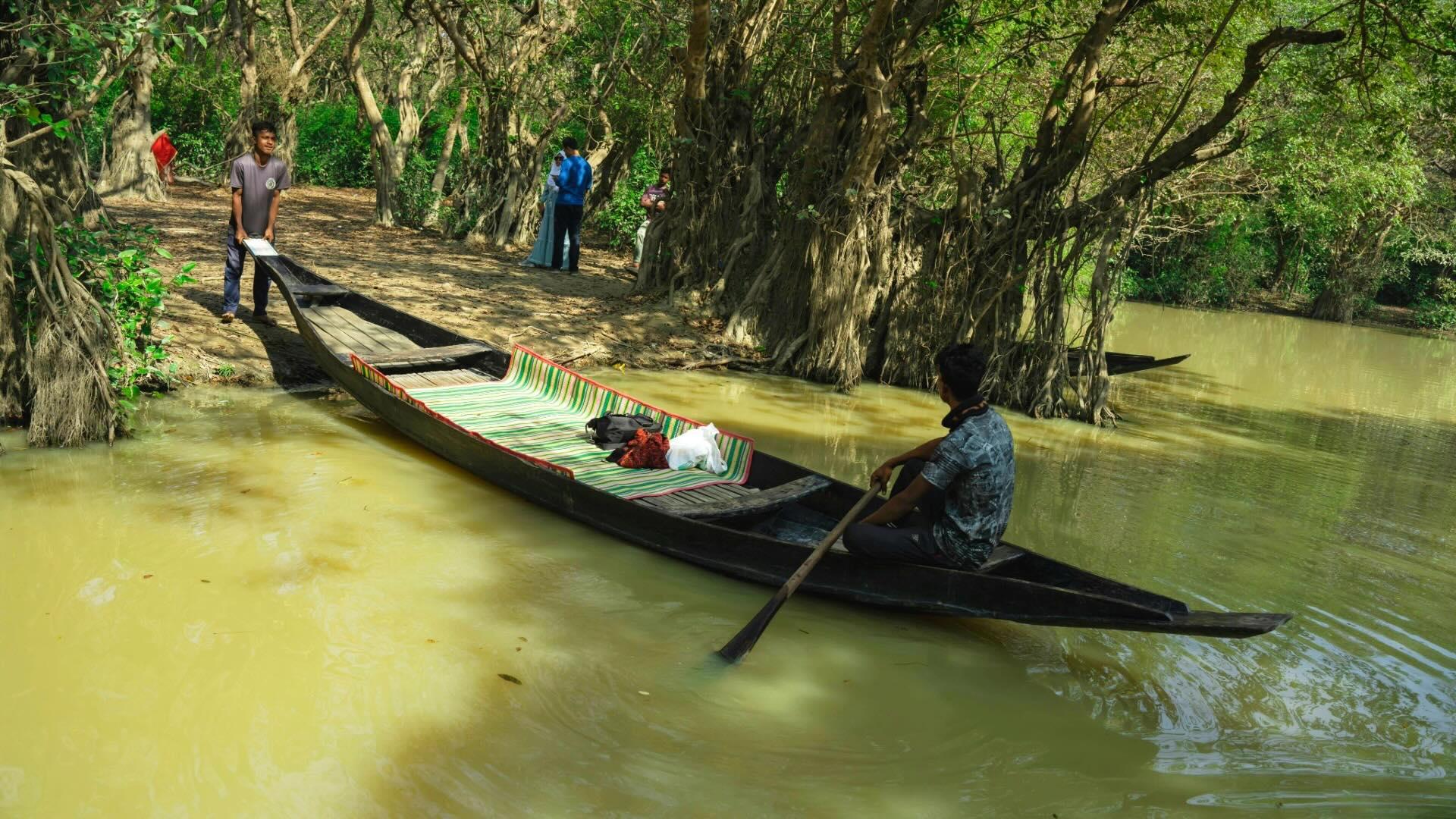
In northern Bangladesh’s drought-prone Rangpur district, engineer A.K.M. Fazlul Haque has revived two degraded wetlands known as beels. The Bharardaho and Patuakamri sites had nearly vanished from siltation and illegal farming. Excavated between 2021 and 2023, planted with indigenous trees, and protected as public easements, they now host hundreds of water birds and reduce pests in nearby crop fields.
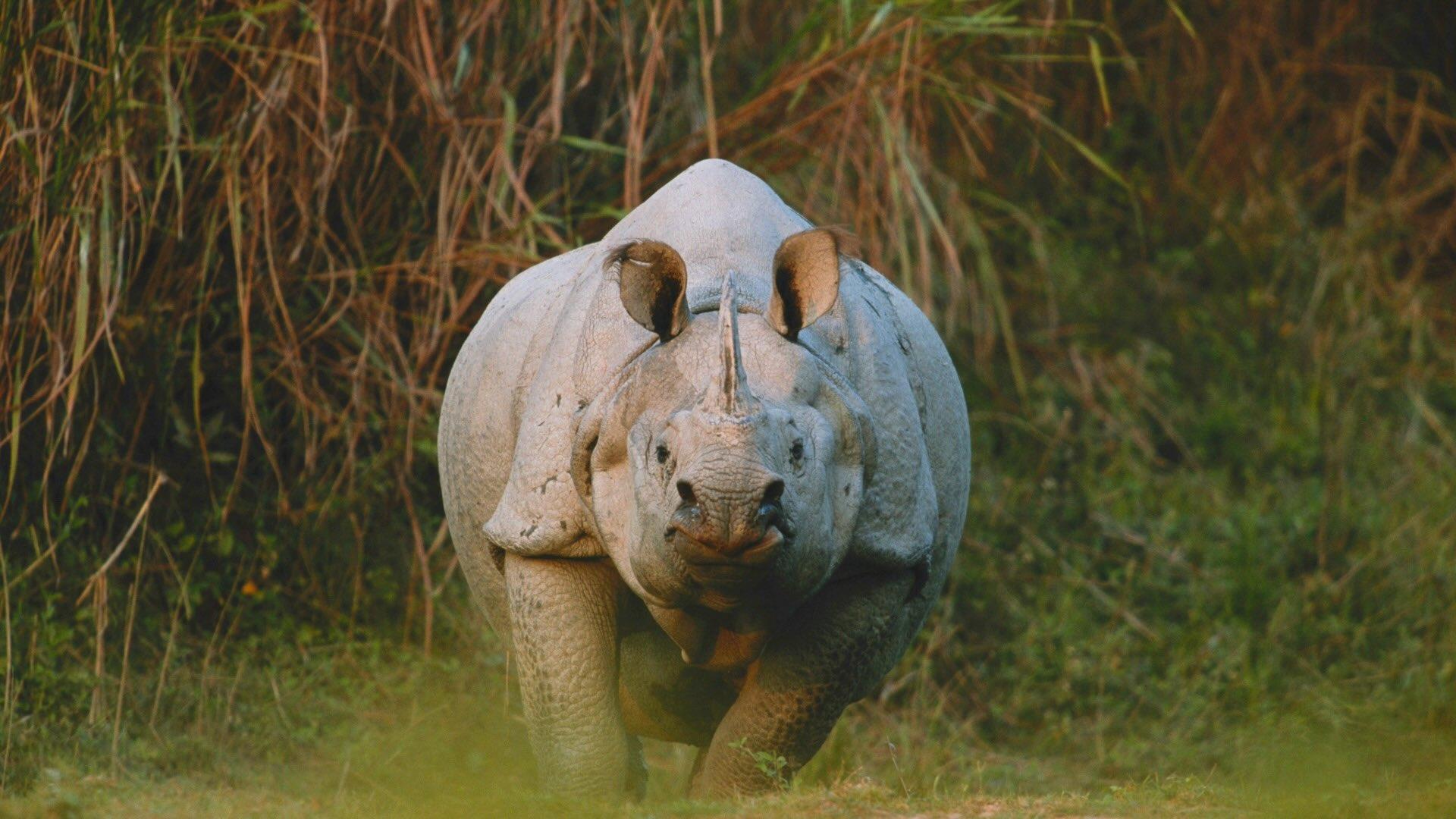
In late March, four greater one-horned rhinos were released from a fenced area into the core grassland habitat of Dudhwa Tiger Reserve in Uttar Pradesh. The collaborative effort by the Uttar Pradesh Forest Department and WWF-India increased the free-ranging population to eight. This step supports a long-term plan to build a self-sustaining rhino population in the Terai landscape.
calv 6304 / Alamy
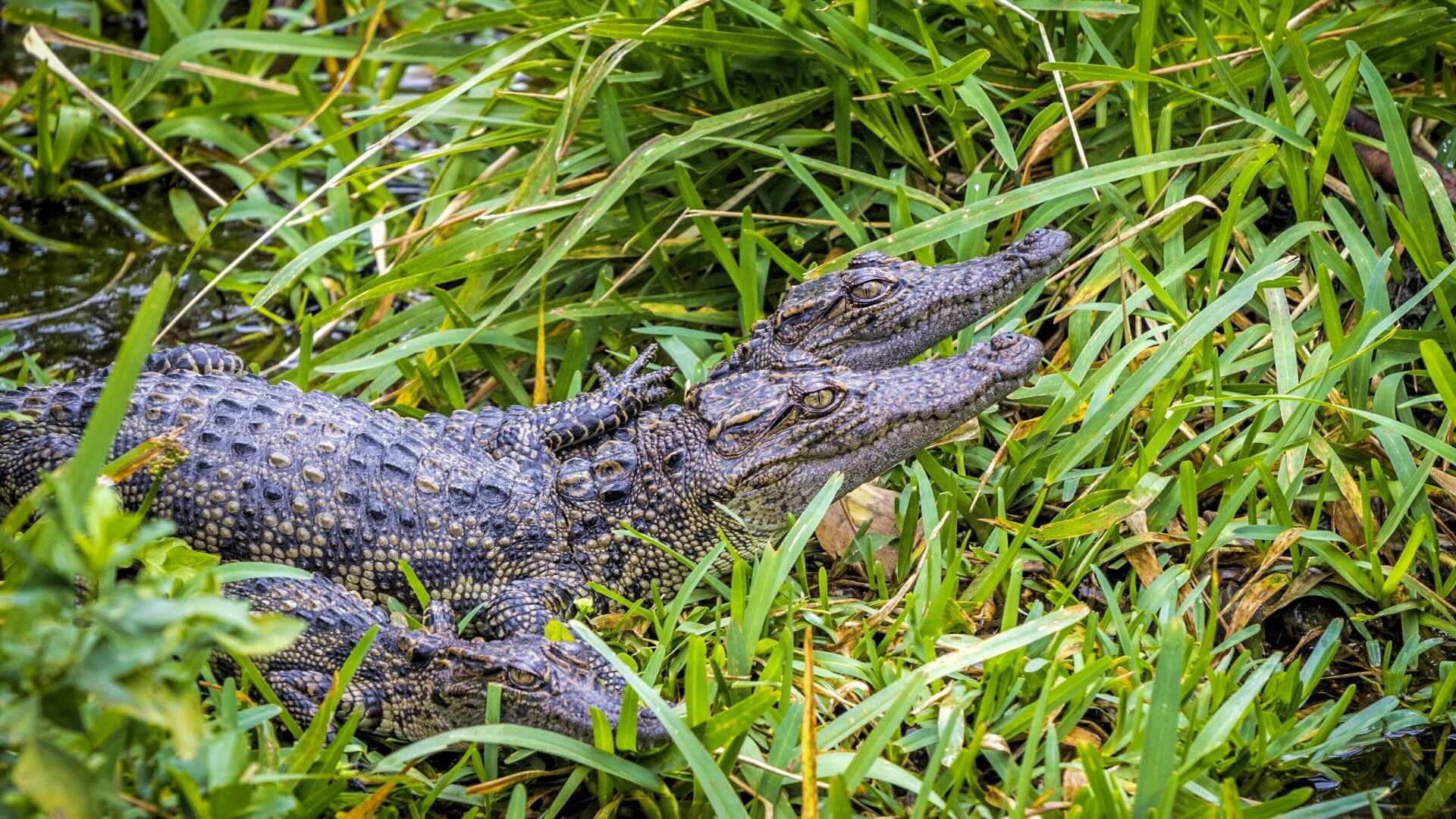
In central Laos, communities draw on ancestral spirit beliefs to conserve the critically endangered Siamese crocodile. Since 2013 the Wildlife Conservation Society has partnered with villagers in the Xe Champhone wetlands. They collect eggs, raise hatchlings safely in villages, and release them. Recently 56 juveniles returned to the wild. This supports one of mainland Southeast Asias largest remaining populations of the species.

Jim West / Alamy
The Great Lakes region is wasting a massive source of clean energy in the form of waste heat from nuclear power plants, data centres and sewer systems. Capturing this thermal energy for district heating and cooling networks could slash carbon emissions, lower energy costs and reduce thermal pollution in local waters. Innovative projects in Toronto and St. Paul show how the proven technology works, though policy and funding hurdles still need to be cleared.
Sahadat Hossain / Alamy
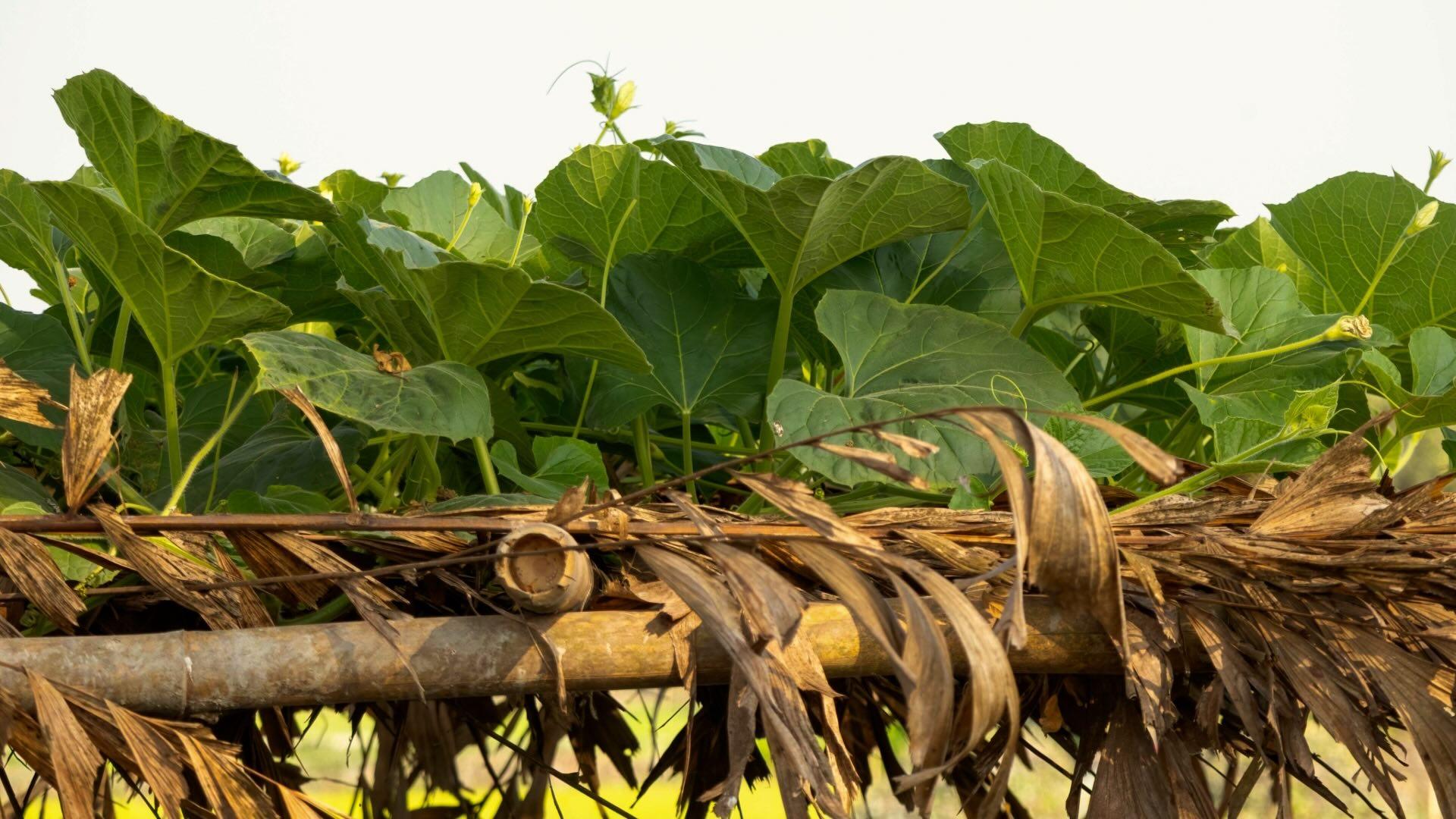
In the Chittagong Hill Tracts of southeastern Bangladesh, population growth is pushing indigenous farmers away from traditional jhum shifting cultivation. Shortened fallow periods caused by land shortages have weakened soil and lowered yields. Many are now adopting the machan method, which uses bamboo trellises to grow vine vegetables above the ground. The change delivers multiple harvests each year, steady income, and reduced erosion on steep slopes while keeping vegetation cover intact.
JJ Harrison | CC BY-SA 3.0 | Wikipedia
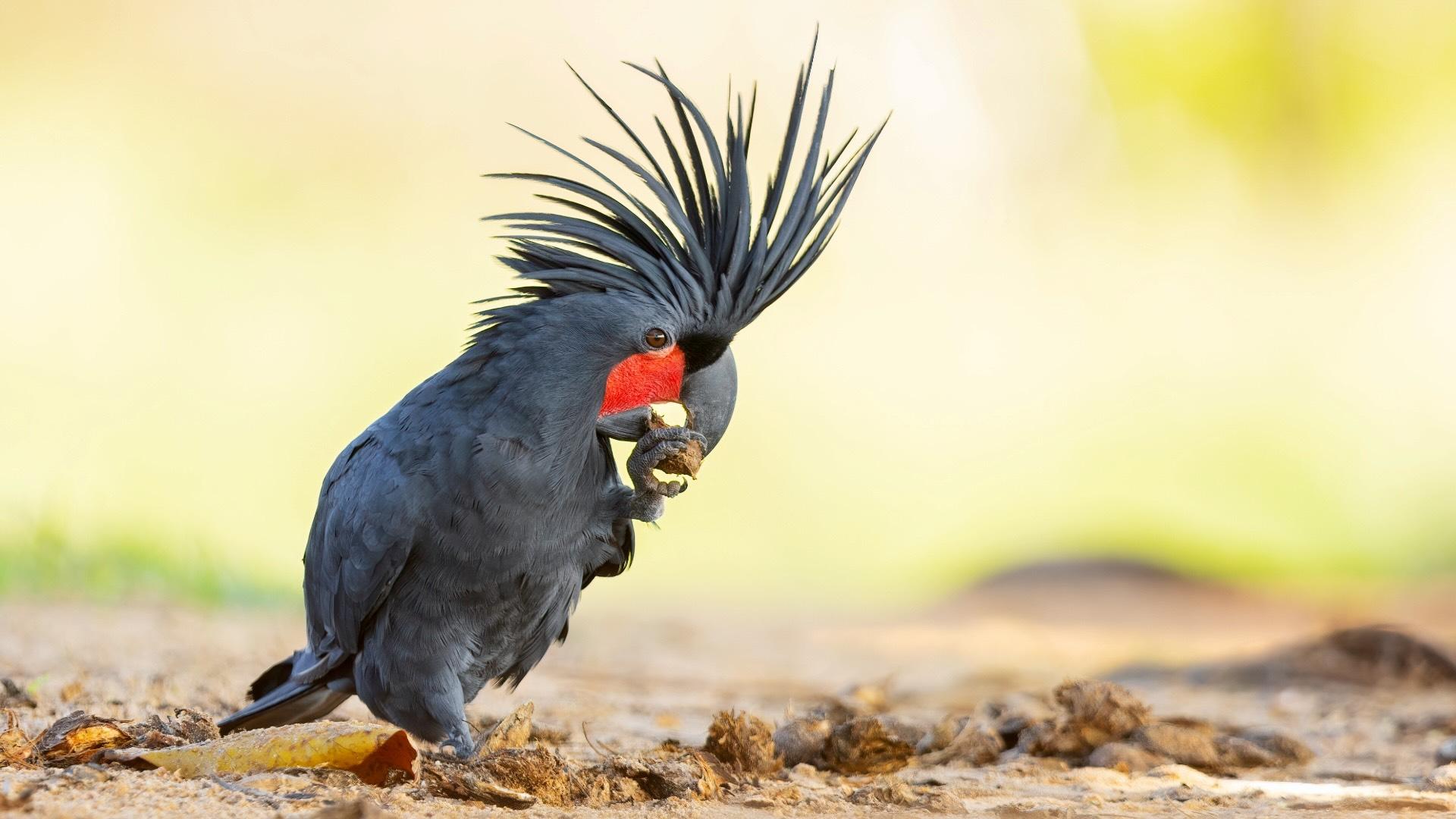
Conservationists in Australia are celebrating the first fledging of a palm cockatoo chick from an artificial hollow. The endangered species has fewer than two thousand individuals left in the wild on Cape York Peninsula. Part of People For Wildlife's project in partnership with Traditional Owners, the artificial hollows address the loss of natural nesting sites caused by fires and mining. This milestone brings new hope for the parrot's survival.
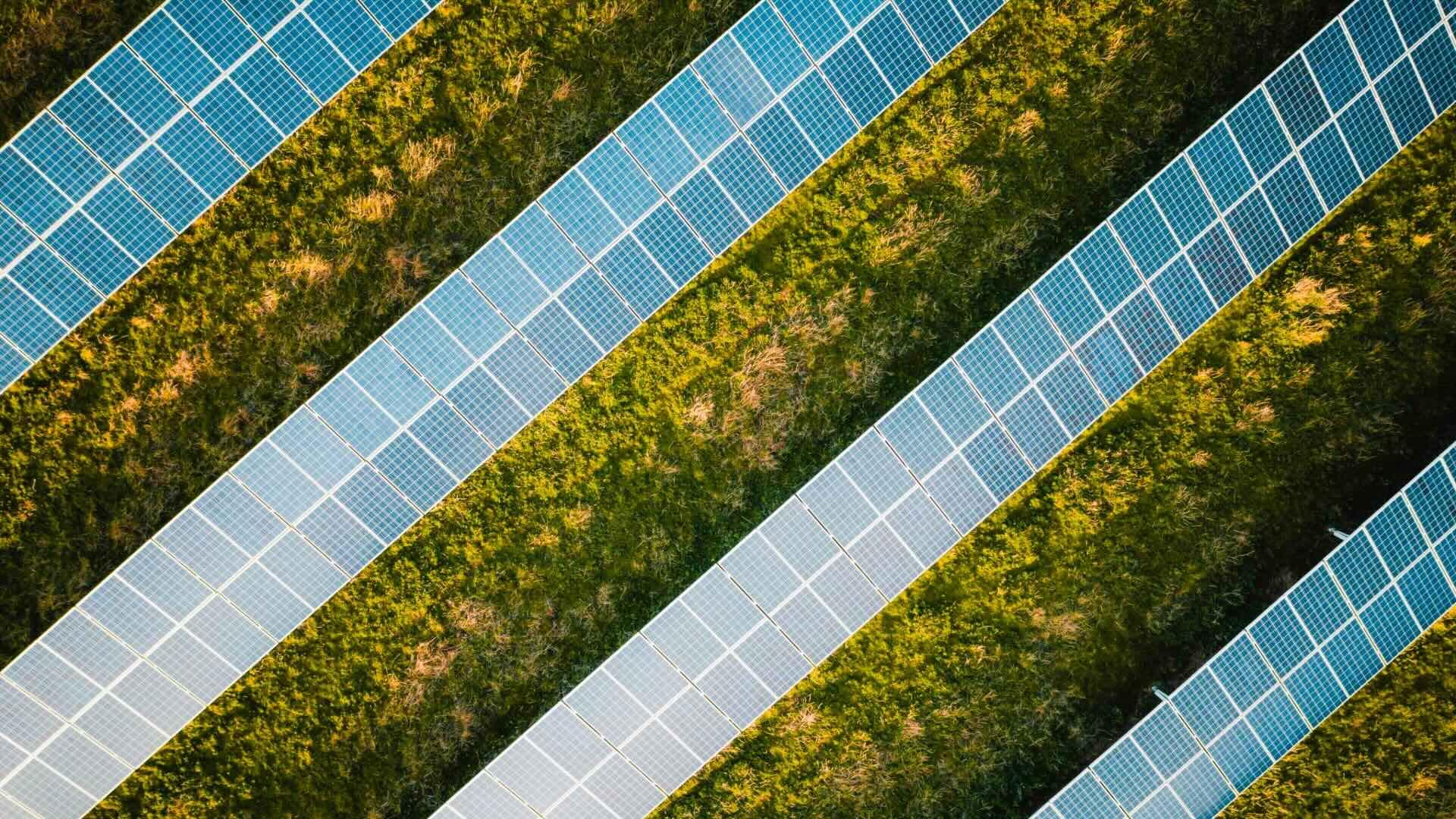
California’s Westlands Water District is advancing a major solar initiative in the San Joaquin Valley. The Valley Clean Infrastructure Plan calls for developing 21 gigawatts of battery-backed solar power across 136,000 acres of fallowed farmland. This project will generate electricity equivalent to powering 9 million homes. It also includes new transmission infrastructure while helping resolve regional water scarcity challenges by repurposing the land.
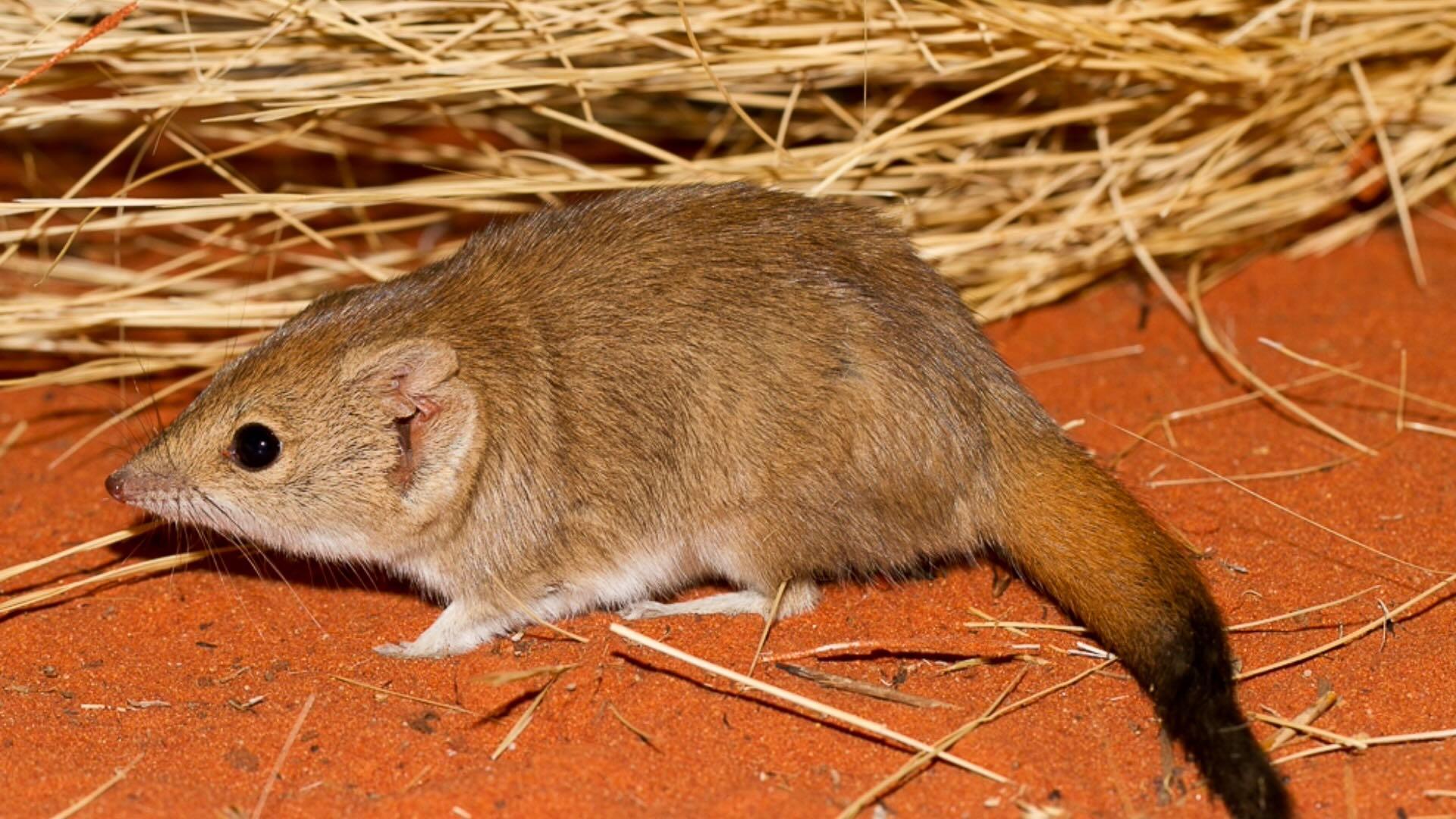
Intortuz - CC BY-SA 4.0 / Wikipedia
The ampurta, also known as the crest-tailed mulgara, has staged a remarkable comeback in Australia's arid regions. Once facing extinction due to invasive foxes, cats, and rabbits, the small carnivorous marsupial benefited greatly from the 1995 rabbit hemorrhagic disease virus (calicivirus). This reduced predator numbers and allowed the species to expand its range dramatically despite prolonged drought conditions.