Knowledge, wisdom, and insight from a gathering of communities, movements, and entities that protect and restore the living world and its cultures.
Home
Beyond Topsoil: How Deep Soils Could Save Our Farms
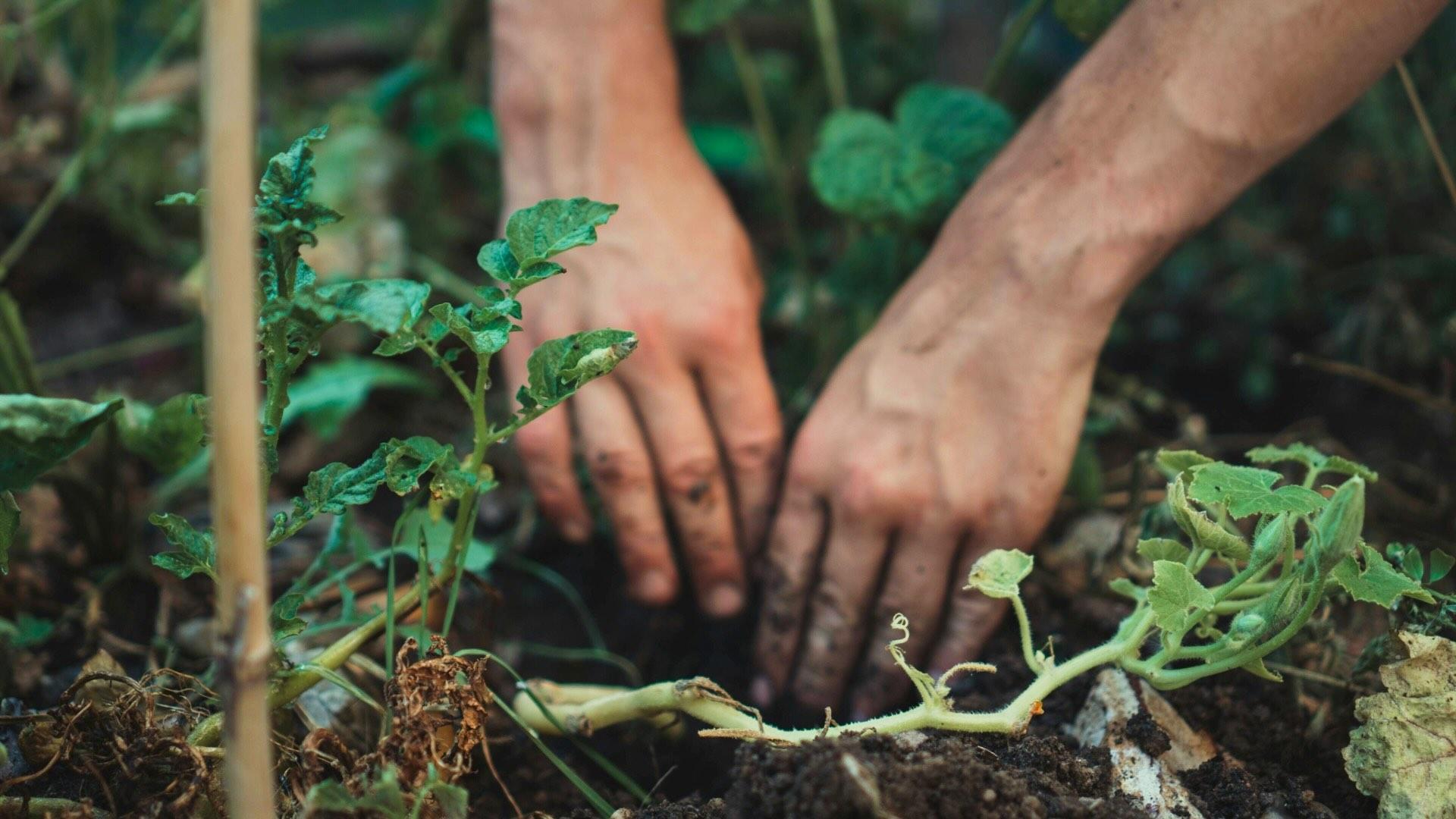
Civil Eats
Scientists just opened the world’s first Deep Soil Ecotron at the University of Idaho, where they haul up intact cores from as deep as 10 feet to study layers that most researchers have long ignored. These ancient soils store 30 to 60 percent of global soil organic carbon in a remarkably stable form, along with unique microbes, hidden nitrogen, and water reserves that could help crops survive droughts, heat waves, and wild weather swings. By cranking up simulated storms and dry spells inside massive steel cylinders, the team is learning how to keep that carbon locked away and give farmers smarter tools for a warmer future.
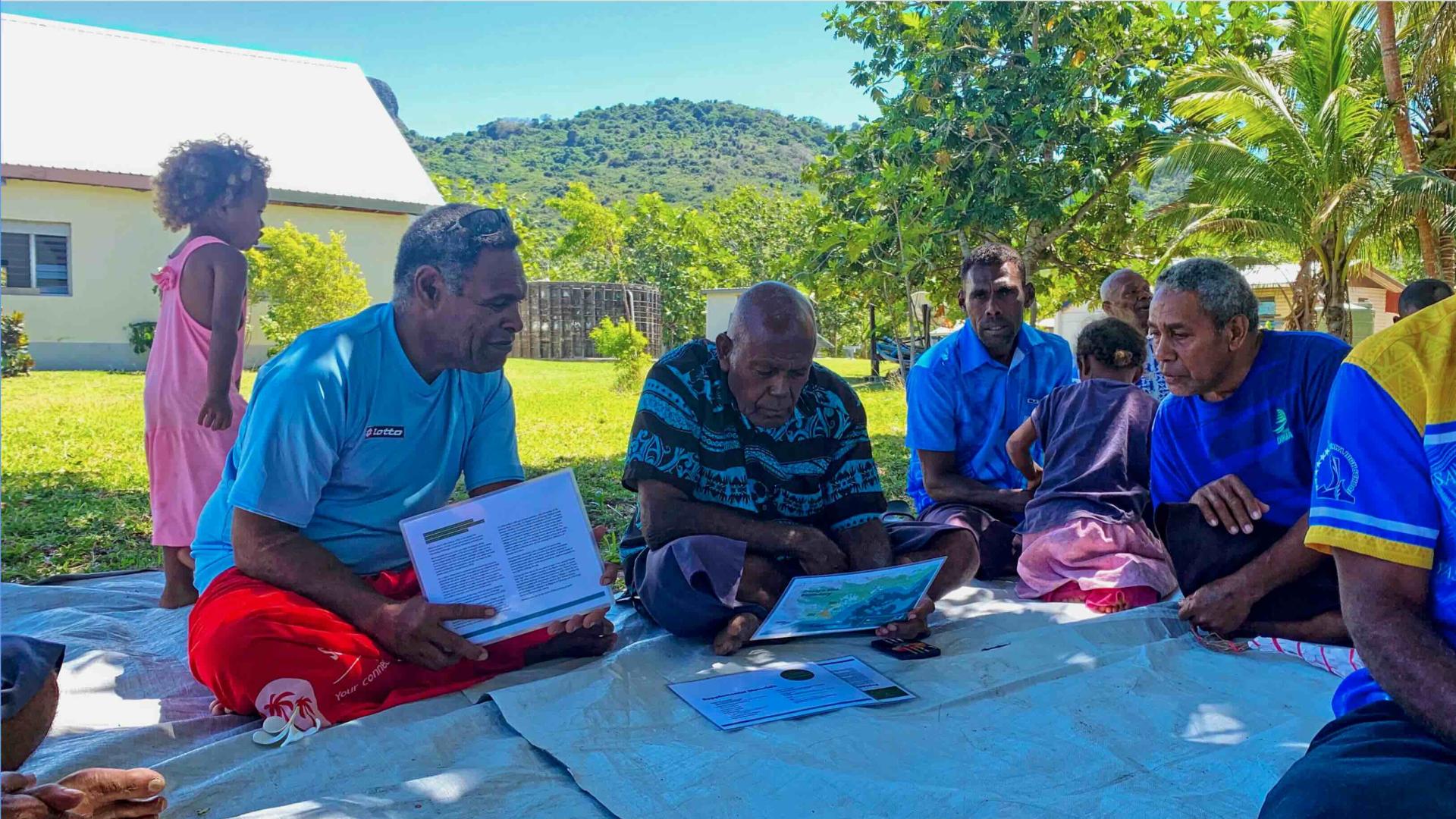
Courtesy of Land Art Generator Initiative (LAGI)
EIN Presswire
In the Yasawa Islands of Fiji, Marou Village is powering ahead with its own solar future. The community-led “The O” pavilion will generate clean electricity for all 67 households and harvest rainwater. Selected through the Land Art Generator Initiative competition, this innovative design doubles as an economic and cultural hub. With construction starting in early 2027, the village is shaping a sustainable, self-reliant tomorrow that blends modern technology with traditional values.
Madagascar Women Harness Solar Power To Transform Village Life
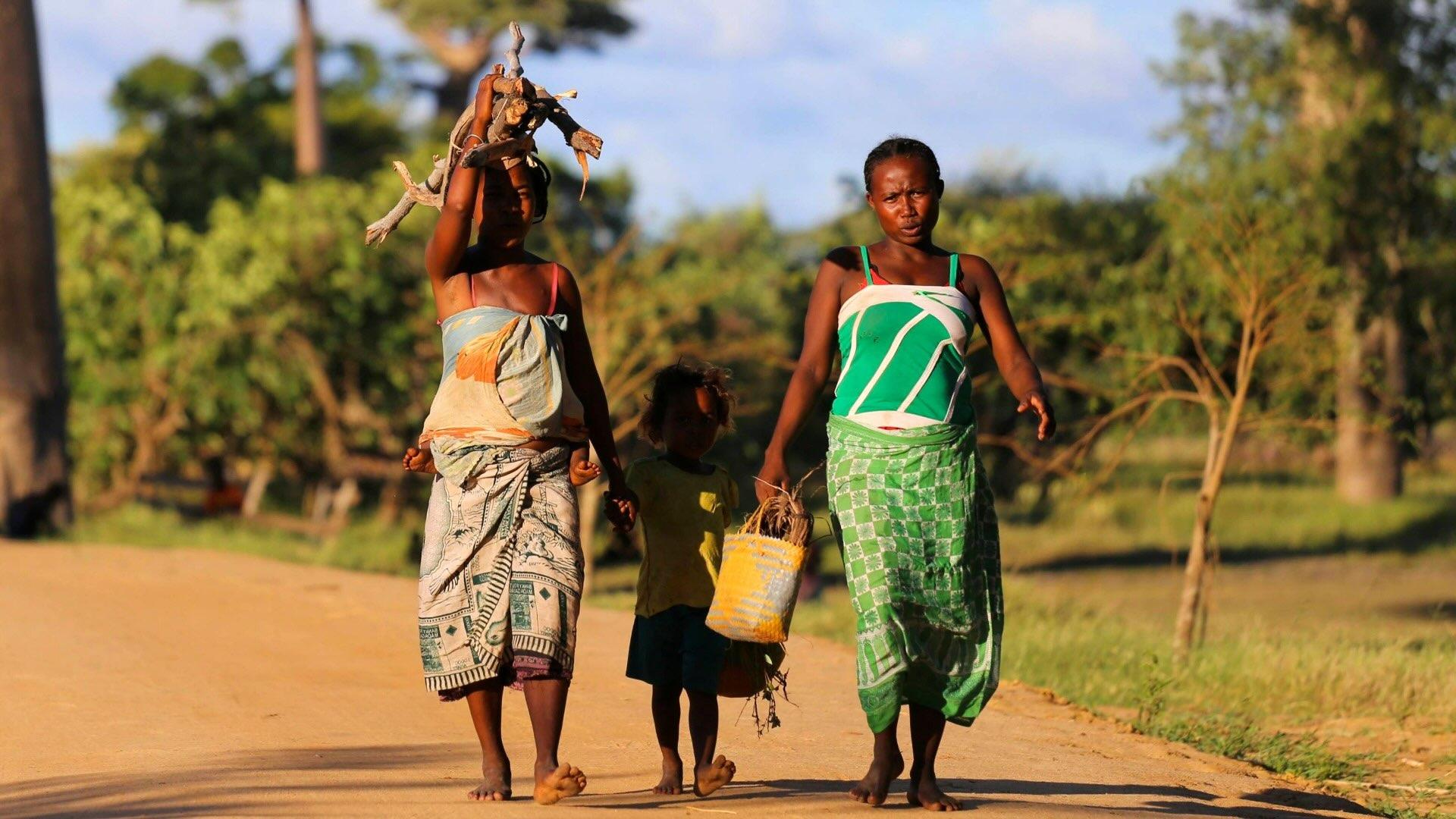
WWF
In Madagascar’s remote coastal villages, women with little formal schooling are becoming solar technicians through Barefoot College’s four-month program, backed by WWF and local partners. They’ve already wired up hundreds of homes, swapping risky candles and pricey batteries for clean light. Kids now study after dark, families prep more fish for market, and communities feel safer and more prosperous. It’s a shining success story of empowerment, education, and real economic wins.

robertharding | Alamy
ABC Australia
Thirty years after Booderee National Park was handed back to its traditional owners, the Wreck Bay Aboriginal Community Council is ready to take full control. Come May 2028, they will manage the Jervis Bay gem independently of Parks Australia, becoming the first of Australia’s three jointly run Indigenous parks to go solo. Announced amid cultural celebrations featuring dances, a smoking ceremony, and a new oral history book, this marks a triumphant step toward self-determination.
Healing Through Land; Black & Native Groups Create Ecovillages
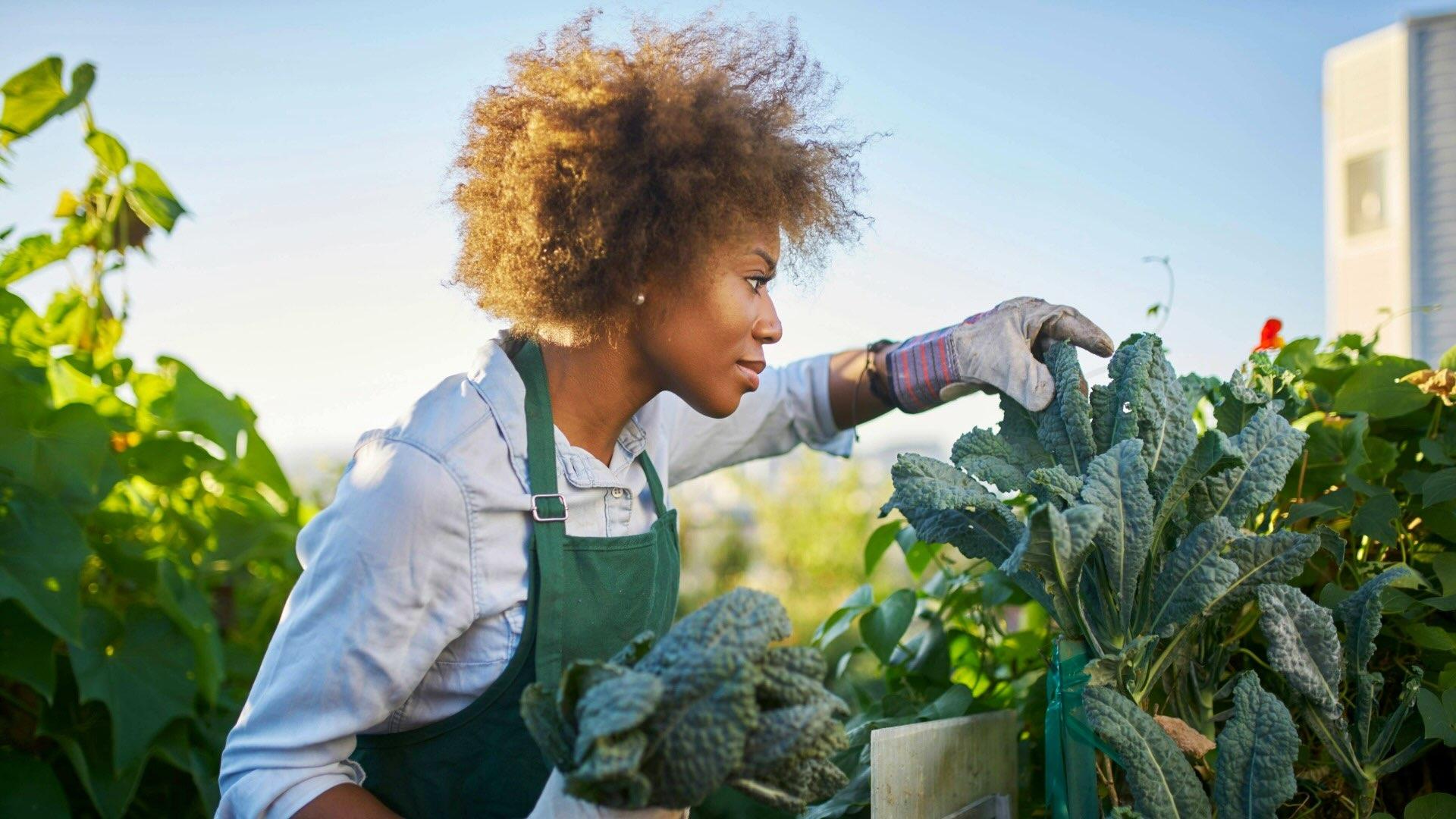
The Guardian
Black and Indigenous communities across the United States are establishing intentional ecovillages to reclaim land and foster self-reliance. In California the Black to the Land project stewards nearly 190 acres of off-grid farmland for healing and cultural connection. In Alabama, the Mvskoke people have reacquired thousands of acres of ancestral territory to revive traditional practices and language. These efforts counter gentrification, promote sustainability, and create spaces for intergenerational wellness.
Mongabay
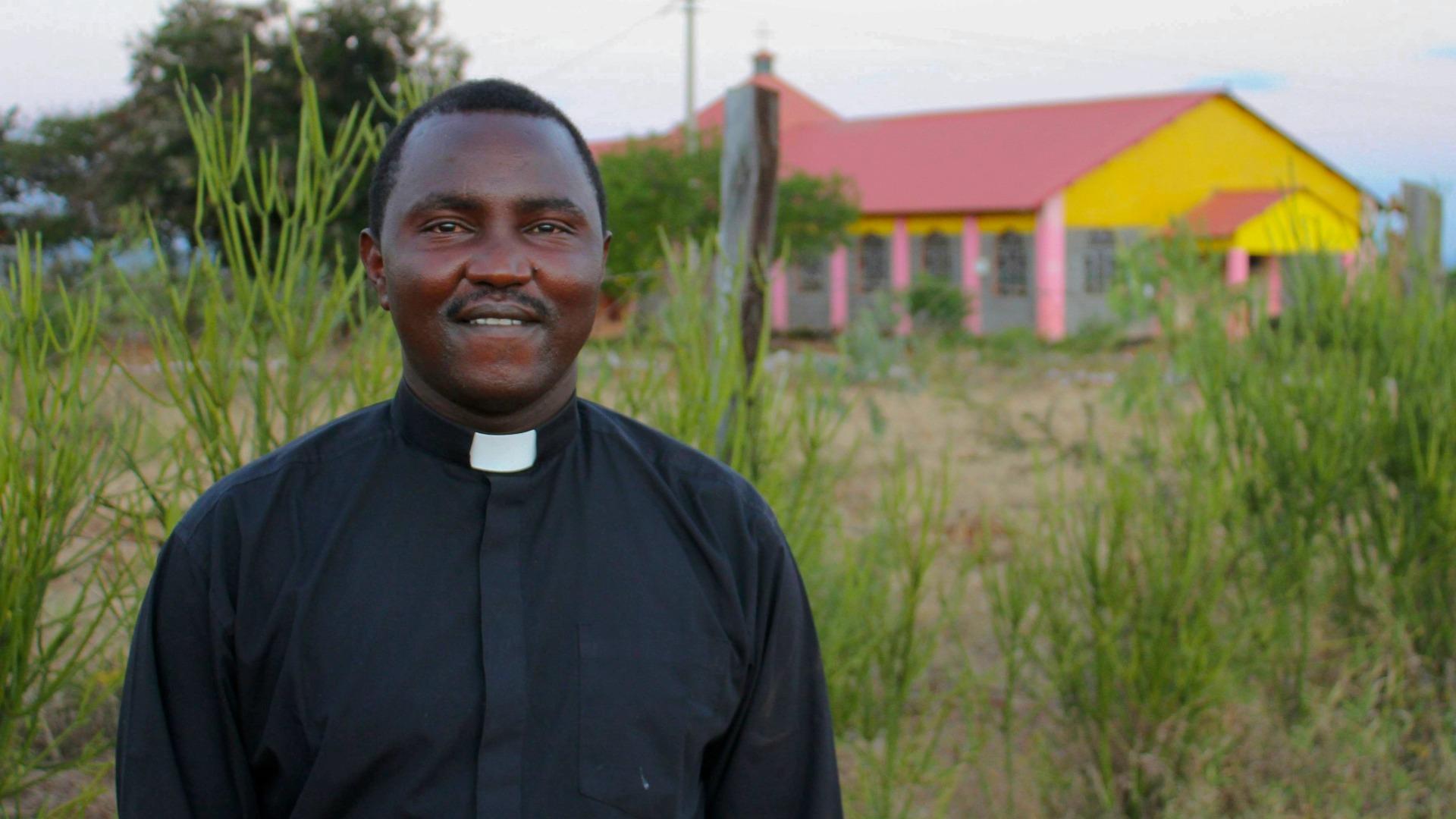
In Kenya, where more than 85 percent of the population identifies as Christian, faith is emerging as a significant force for environmental protection. This commentary challenges long held narratives blaming Christianity for ecological harm, such as impacts on Maasai sacred forests. It spotlights positive efforts by groups like A Rocha Kenya safeguarding the Dakatcha Woodland and Creation Stewards International promoting sustainable livelihoods, alongside the Anglican Church naming 2026 the year of care for the environment.
Helen Sessions / Alamy
Indiginews
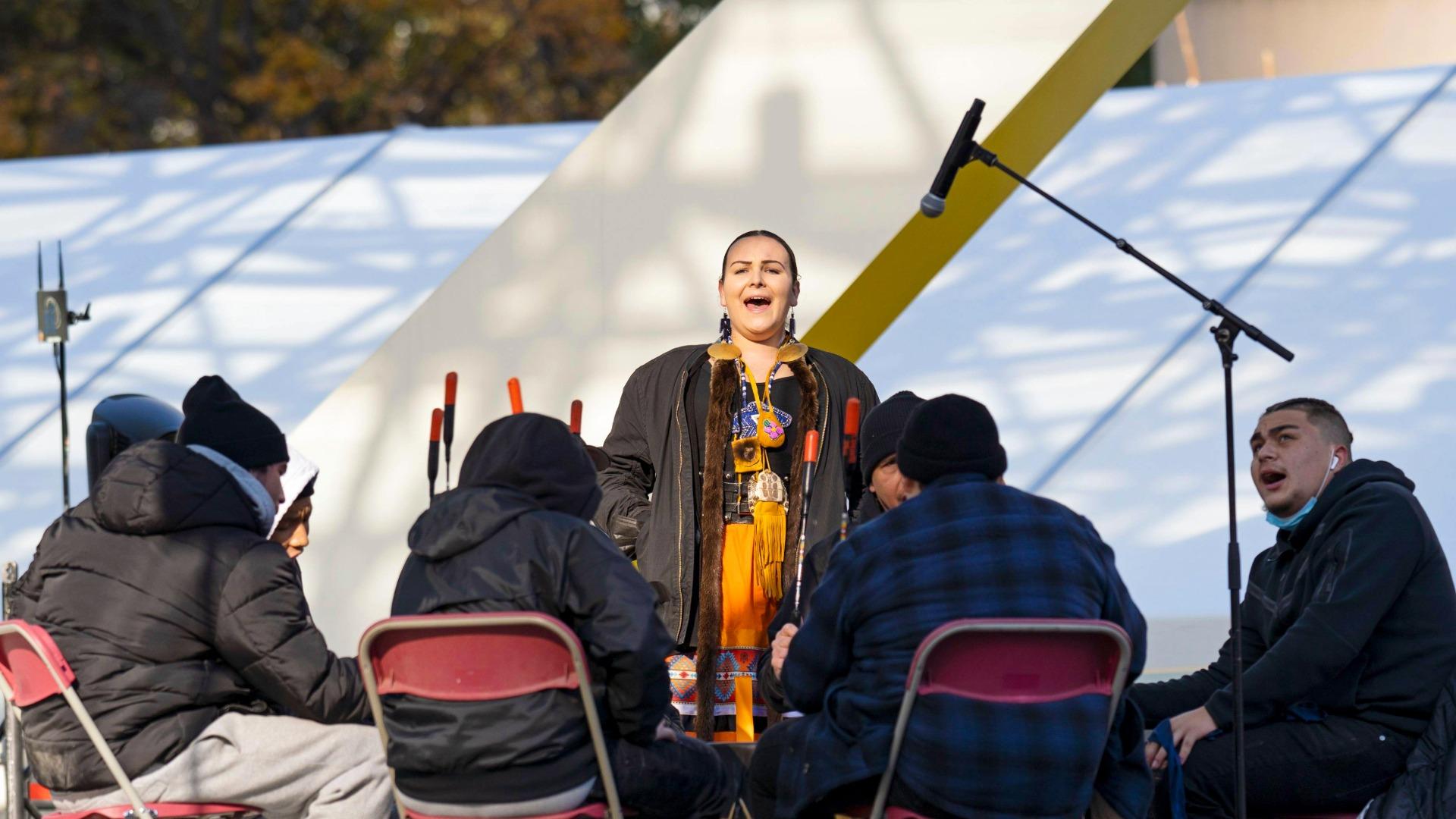
Interior Salish women in British Columbia are reclaiming traditional cultural burning practices to manage wildfires and protect their homelands. Leaders including Jaci Gilbert, Sheresa Brown, and Leona Antoine are integrating Indigenous knowledge into modern firefighting, overcoming gender barriers, and advocating through the Salish Fire Keepers Society. Recent gatherings and legal changes support their efforts to restore fire-dependent ecosystems and preserve culturally modified trees for future generations.
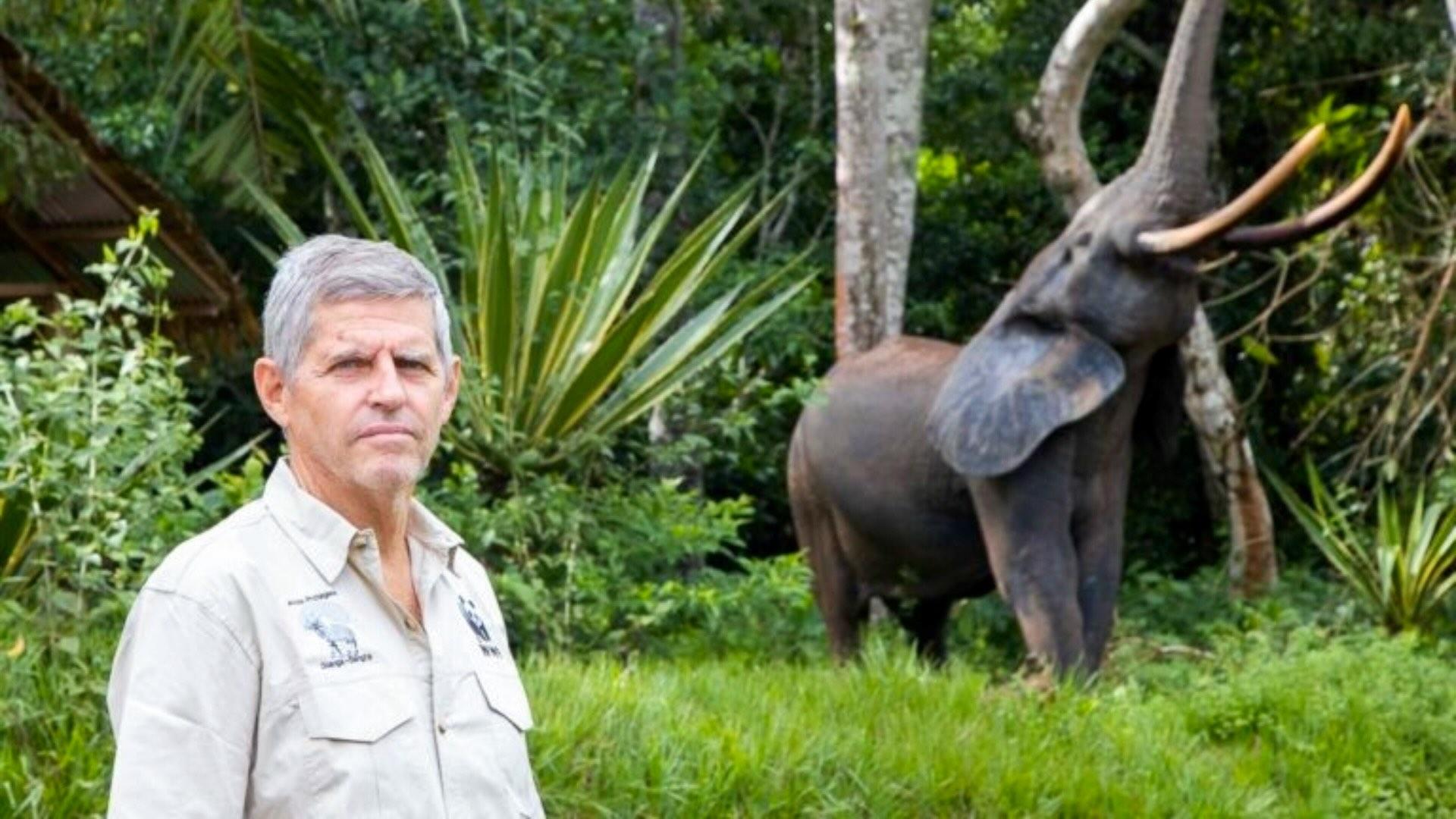
Image Courtesy of Luis Arranz
Mongabay
Spanish conservationist Luis Arranz has embraced what he calls an impossible mission as he works to turn around the fortunes of Salonga National Park in the Democratic Republic of Congo. At age 70, the veteran leader is promoting ecotourism and sustainable agriculture to reduce hunting pressure in Africa’s largest tropical rainforest park, home to bonobos and forest elephants. His efforts include building infrastructure and habituating great apes to visitors while supporting local communities.
Network
Thousands of organizations working globally
-
Convention for the Conservation of Antarctic Marine Living Resources (CCAMLR)
Works towards the conservation of Antarctic marine life. -
Convention on Biological Diversity
Is dedicated to promoting sustainable development. -
Convention on the Trade of Endangered Species (CITES)
Is an international agreement between governments. Its aim is to ensure that international trade in specimens of wild animals and plants does not threaten the survival of the species. -
Convention on the Trade of Endangered Species (CITES)
InternationalAim to ensure that international trade in specimens of wild animals and plants does not threaten the survival of the species. -
Cook Inlet Keeper
Cook Inletkeeper’s journey began in 1995 in the wake of Exxon Valdez. Our work is deeply rooted in ensuring a spill of that scale never puts our waters at risk again and future generations inherit a healthy environment. Our core identity has always been about advocating for the public interest in maintaining clean water, lands, and air for all. -
Cooling the Climate
-
Cooperative Development Foundation
Is a regional non-profit with a mission to create and sustain democratically owned, cooperative enterprises and networks in the Northeast that grow a prosperous and equitable economy. Promotes and develops cooperatives to improve economic opportunities for all. -
Cooperative Food Empowerment Directive: CoFED
Is transforming the current food system that has roots in into one that is guided by collective liberation, radical reimagination, and healing of our relationships with each other and the land. -
Cooperatives de las Americas
Promotes the repositioning of the cooperative model in the new economic, political, social, and commercial environments. -
Cooperatives for a Better World
Focuses on sharing cooperative identity with the world and the difference it makes in local, national, and global communities.
Ask about their missions, topics, projects, places, tools, ideas, and more
AI Chatbot

Watershed
A community space to connect with individuals, organizations, and projects in similar or related fields, co-create information commons, moderate group discussions, initiate public and private chats, organize virtual live events, and more. Coming soon; sign up for the newsletter to be notified.
Sign up to receive The Alliance’s newsletter for more inspiring stories and updates.
We respect your privacy. By subscribing to our email list, you agree to our Terms of Use.