Stories

In a promising step for conservation, British Columbia First Nations are leading the charge to bring grizzly bears back to the North Cascades. Once home to thriving populations, the transboundary region now has at most six bears left, with the last confirmed sighting in 2015. After U.S. reintroduction plans collapsed amid post-election funding and staffing cuts, the Joint Nations Grizzly Bear Initiative is moving forward with reintroductions starting in 2026. Blending traditional knowledge and science, the effort promises ecological renewal, cultural reconnection, and smarter coexistence for people and bears alike.
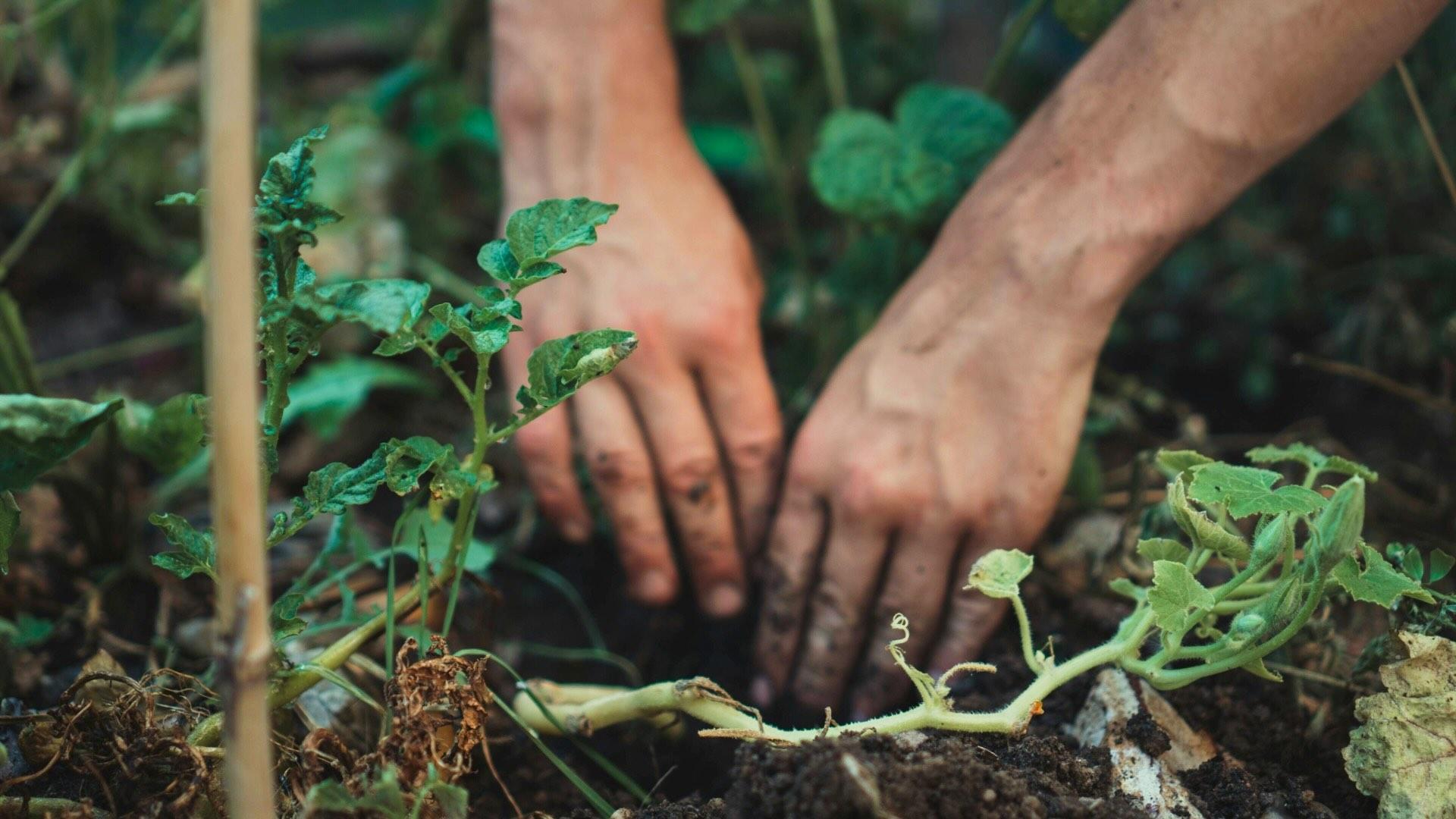
Scientists just opened the world’s first Deep Soil Ecotron at the University of Idaho, where they haul up intact cores from as deep as 10 feet to study layers that most researchers have long ignored. These ancient soils store 30 to 60 percent of global soil organic carbon in a remarkably stable form, along with unique microbes, hidden nitrogen, and water reserves that could help crops survive droughts, heat waves, and wild weather swings. By cranking up simulated storms and dry spells inside massive steel cylinders, the team is learning how to keep that carbon locked away and give farmers smarter tools for a warmer future.

Rod Waddington | CC BY-SA 2.0 | Wikimedia Commons
In eastern Madagascar, a dedicated team is growing a living corridor of native trees to link two fragmented forest reserves. Launched in 2023, the project has planted dozens of hectares with species lemurs love. Already curious lemurs are checking it out while locals gain jobs through ecotourism and community programs. This green bridge offers a bright future for all by 2027.
Courtesy of Land Art Generator Initiative (LAGI)
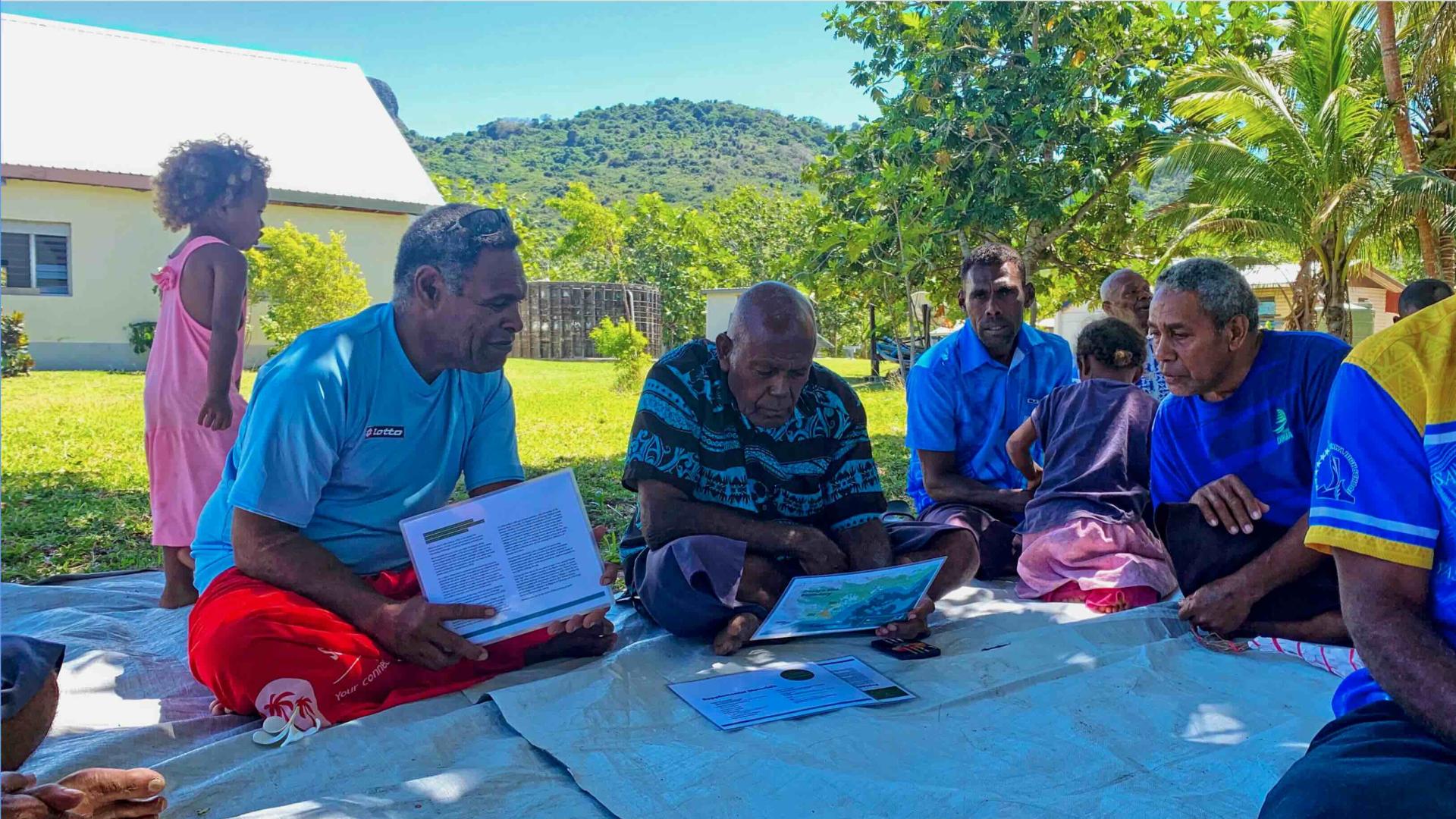
In the Yasawa Islands of Fiji, Marou Village is powering ahead with its own solar future. The community-led “The O” pavilion will generate clean electricity for all 67 households and harvest rainwater. Selected through the Land Art Generator Initiative competition, this innovative design doubles as an economic and cultural hub. With construction starting in early 2027, the village is shaping a sustainable, self-reliant tomorrow that blends modern technology with traditional values.
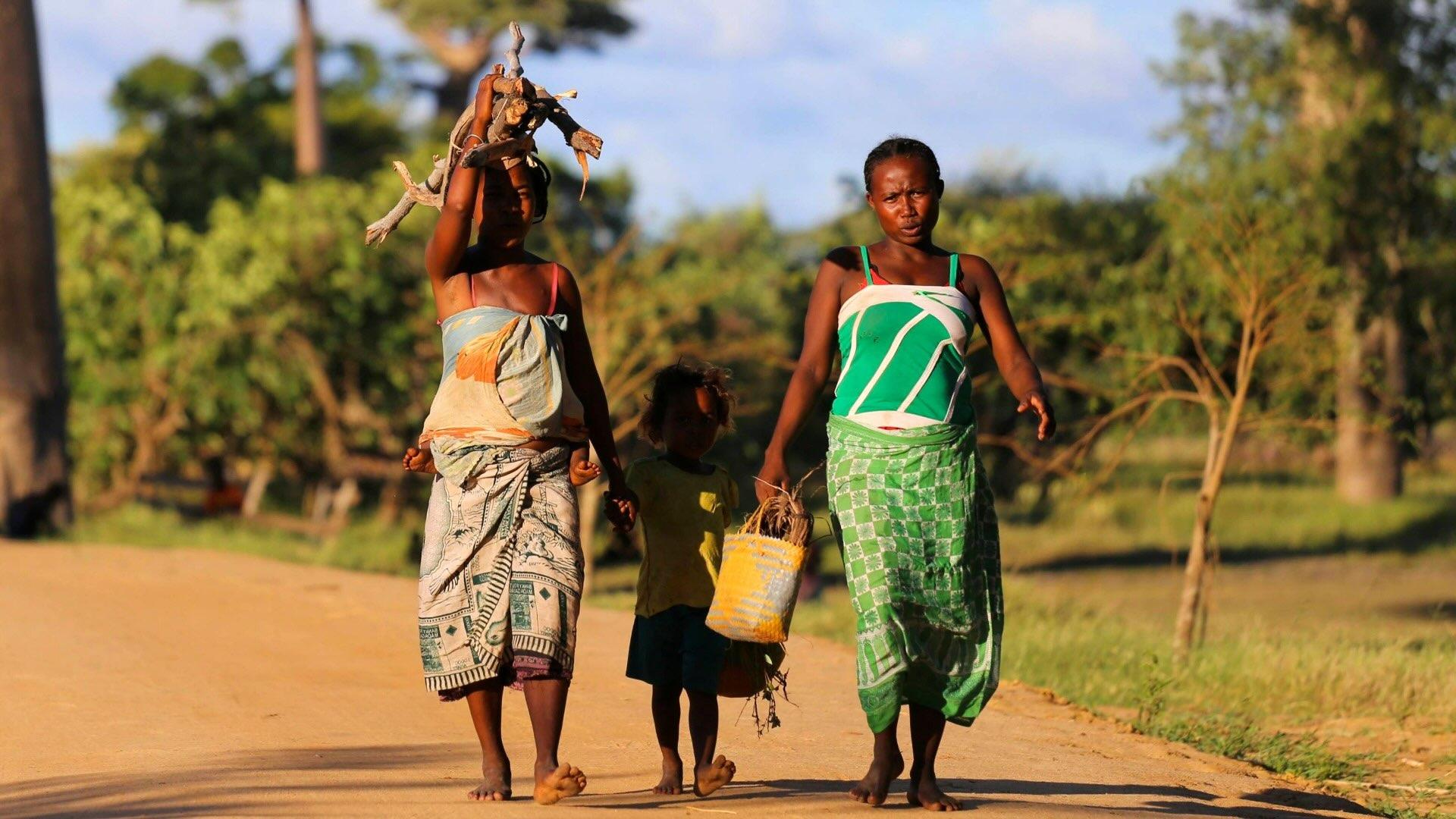
In Madagascar’s remote coastal villages, women with little formal schooling are becoming solar technicians through Barefoot College’s four-month program, backed by WWF and local partners. They’ve already wired up hundreds of homes, swapping risky candles and pricey batteries for clean light. Kids now study after dark, families prep more fish for market, and communities feel safer and more prosperous. It’s a shining success story of empowerment, education, and real economic wins.

In India’s Western Himalayas, villagers and scientists have spent 30 years transforming a once-degraded 28-hectare slope in Uttarakhand into a thriving forest called Surya-Kunj. Starting in 1992, they planted 190 native species and used simple bioengineering techniques such as trenches and water tanks to combat erosion and drought. Today the site bursts with 88 naturally regenerating tree species, more than 160 birds, over 100 butterflies, and rare medicinal plants. Locals enjoy fresh jobs, fodder, herbs, and a greener, cooler landscape that proves community grit really can bring a hillside back to life.

robertharding | Alamy
Thirty years after Booderee National Park was handed back to its traditional owners, the Wreck Bay Aboriginal Community Council is ready to take full control. Come May 2028, they will manage the Jervis Bay gem independently of Parks Australia, becoming the first of Australia’s three jointly run Indigenous parks to go solo. Announced amid cultural celebrations featuring dances, a smoking ceremony, and a new oral history book, this marks a triumphant step toward self-determination.

After more than 150 years, golden eagles could soon be soaring over northern England again. The last native bird died in the Lake District in 2015, driven out by centuries of persecution from gamekeepers and farmers. Now a Forestry England study has pinpointed eight promising recovery zones, and the government has pledged one million pounds to launch a reintroduction program as early as next year, complete with young Scottish birds already crossing the border.

A 24-year study of 770 polar bears in Norway’s Svalbard archipelago delivers some welcome surprise in the climate conversation. Researchers recorded over 1,000 body measurements and found the bears’ condition held steady even as sea ice shrank dramatically. The resourceful animals have shifted to land more often, snacking on birds, eggs, reindeer, harbor seals, and walrus carcasses. Similar toughness appears in Alaska’s Chukchi Sea bears too. While experts caution this resilience is no free pass and future years still matter, it is a hopeful reminder that these Arctic icons are proving more adaptable than many feared.

Black and Indigenous communities across the United States are establishing intentional ecovillages to reclaim land and foster self-reliance. In California the Black to the Land project stewards nearly 190 acres of off-grid farmland for healing and cultural connection. In Alabama, the Mvskoke people have reacquired thousands of acres of ancestral territory to revive traditional practices and language. These efforts counter gentrification, promote sustainability, and create spaces for intergenerational wellness.

Jono Ridler has completed the longest unassisted staged swim in history, covering 1,367 kilometres around New Zealand’s North Island in 90 days as part of the Swim4theOcean campaign. The 36-year-old marathon swimmer endured jellyfish stings, hypothermia and exhaustion to call for an end to bottom trawling and greater ocean protection. Thousands cheered his emotional finish in Wellington, highlighting national support for healthier seas.

SidewalkMD | CC BY-SA 4.0 | Wikimedia Commons
Architects are embracing mass timber to build taller wooden structures that may soon define city skylines. Milwaukee's 284 foot Ascent MKE became the world's tallest timber building in 2022. Vancouver's new Hive tower demonstrates strong seismic resistance. These buildings store carbon absorbed by trees, support healthier forests, and provide a more sustainable alternative to steel and concrete construction.